Everyone thinks a great logo is about a clever visual or a catchy tagline. They chase the "aha!" moment, the stroke of genius that magically makes a brand unforgettable. None of that is wrong. But it’s incomplete.
For cybersecurity brands, a logo isn't just art; it's a seal of trust in a world of constant threats. The hard truth? Your logo needs to communicate competence and reliability before anyone even reads your service description. It’s the first line of defense in brand perception. Finding the right logo design service in the US is critical.
1. Beyond Aesthetics: The Functional Logo for Cybersecurity
Cybersecurity is built on trust. Your logo has to scream "secure" and "expert." This isn't the place for playful or abstract designs that leave people guessing.
Think about what a cybersecurity client needs:
- Assurance of data protection.
- Confidence in technical expertise.
- A sense of stability and resilience.
- Clear, direct communication.
Your logo must project these qualities visually. It needs to be instantly recognizable and instill confidence, even at a glance. This means leaning into clarity, strength, and a professional, often minimalist, aesthetic.
The Pitfalls of Generic Design
Many design services offer a one-size-fits-all approach. They might produce something visually pleasing but lacking the specific gravitas cybersecurity demands.
A logo that looks like it belongs to a bakery or a children's toy store will actively harm a cybersecurity business. It’s a disconnect that erodes trust before a single conversation occurs.
What to Look For in a Cybersecurity Logo
Focus on design firms that understand:
- Color Psychology: Blues, greens, and grays often convey trust, stability, and professionalism. Avoid overly aggressive or frivolous palettes.
- Symbolism: Shield, lock, key, network nodes, or abstract representations of protection and connectivity can work, but must be executed with sophistication.
- Typography: Clean, strong, legible sans-serif fonts are usually preferred. They communicate modernity and efficiency.
- Scalability: The logo must look good on everything from a business card to a billboard, and remain clear even as a tiny favicon.
2. Identifying Top US Logo Design Services for Tech
When seeking a logo design service in the US, especially for a specialized field like cybersecurity, your search needs to be targeted. You're not just looking for graphic designers; you're looking for brand strategists with a technical eye.
Look for agencies or studios that:
- Have a strong portfolio in B2B tech or SaaS companies.
- Showcase case studies with clear results, not just pretty pictures.
- Demonstrate an understanding of the cybersecurity landscape.
- Are based in the US, ensuring easier communication, understanding of market nuances, and potentially faster turnaround.
The Portfolio Deep Dive
Don't just skim. Examine their past work. Do their cybersecurity or tech logos:
- Look professional and trustworthy?
- Feel unique and memorable?
- Align with modern design trends but avoid being overly trendy?
- Show a range of styles, indicating adaptability?
If a firm’s portfolio is filled with logos for restaurants and fashion brands, they might not be the best fit for your highly specialized needs.
Client Testimonials and Reviews
Real client feedback is gold. Look for reviews that specifically mention:
- The design process and communication.
- The agency's understanding of their business.
- The impact of the final logo on their brand.
- Professionalism and reliability.
Platforms like Clutch.co or even direct testimonials on agency websites can provide valuable insights. Be wary of agencies with no verifiable client feedback.
3. The Cybersecurity Logo Design Process: What to Expect
A reputable design service will have a structured process. This isn't about throwing ideas at a wall; it's about strategic execution.
Discovery and Strategy
This is the crucial first step. A good agency will want to understand:
- Your company's mission, vision, and values.
- Your target audience and their perception of security.
- Your competitive landscape.
- Your unique selling propositions.
- Your long-term brand goals.
This phase often involves questionnaires, stakeholder interviews, and market research. Don't skip this. It's where the foundation for a meaningful logo is laid.
Concept Development
Based on the discovery phase, designers will begin sketching and developing initial concepts. You should expect to see several distinct directions.
This is where your feedback is vital. Be clear, constructive, and consistent.
Refinement and Iteration
Once a direction is chosen, the chosen concept will be refined. This involves tweaking shapes, colors, typography, and overall composition.
Reputable agencies provide a set number of revision rounds. Understand this limit upfront to manage expectations.
Final Delivery
The final package should include your logo in various formats suitable for web, print, and other applications (e.g., .AI, .EPS, .PNG, .JPG, .SVG).
You should also receive a basic brand style guide outlining correct logo usage, color codes, and typography. This ensures brand consistency moving forward.
4. Red Flags: Avoiding Subpar Logo Design Services
Not all design services are created equal. Especially in a competitive US market, some cut corners. Recognizing these red flags can save you time, money, and brand damage.
The "Unlimited Revisions" Trap
Be skeptical of services promising unlimited revisions. This often signals a lack of a structured process and can lead to endless, unproductive back-and-forth, or a diluted final product.
Generic Templates and Stock Elements
If the agency relies heavily on pre-made templates or stock icons that are easily recognizable, your logo won't be unique. Your cybersecurity brand deserves originality.
Poor Communication and Slow Response Times
In the US, timely communication is key. If an agency is slow to respond during the sales process, expect the same (or worse) during the project. This is a major operational red flag.
Lack of a Defined Process
A professional service will clearly outline their steps. If they seem vague about how they work, it’s a sign they may not have a robust methodology.
Unrealistic Pricing
Extremely low prices often mean low quality, rushed work, or significant upselling later. High prices aren't always a guarantee of quality either, but understand that good design is an investment.
5. Cybersecurity Logo Design Services in the US: A Few Considerations
While we can't endorse specific firms without knowing your exact needs, here are types of US-based services to consider:
Boutique Design Studios
These often offer highly personalized service and deep expertise in specific industries, like tech. They might be more expensive but can deliver exceptional, strategic results.
Mid-Sized Digital Agencies
Some larger digital or marketing agencies have dedicated branding and design departments. They can offer a broader range of services and have robust processes.
Specialized Branding Agencies
These firms focus exclusively on brand identity and strategy. They are often the best choice for complex, high-stakes branding projects like those in cybersecurity.
Freelancers (with Caution)
Highly experienced, specialized freelance logo designers can be excellent, but vetting is crucial. Look for a strong, relevant portfolio and a professional approach. For cybersecurity, a team approach might be safer.
Where Revue Fits In
Once your stellar new logo is designed and implemented, the real work of building your cybersecurity brand begins. This involves consistent messaging, secure service delivery, and, critically, seamless client collaboration.
Managing client feedback on proposals, marketing materials, or even website mockups can become a bottleneck. Waiting for email chains to snake their way through approvals, losing context along the way, is inefficient and risky.
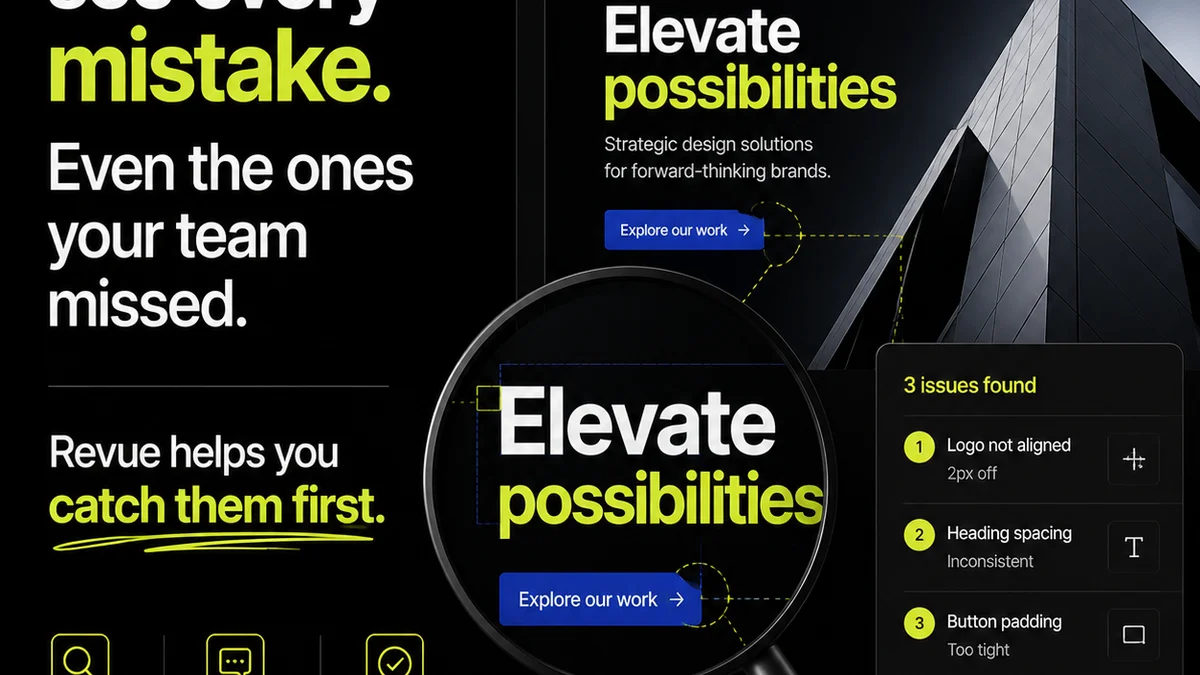
Revue centralizes client feedback, revision history, and approvals in one place. This ensures that your team, your clients, and your new brand identity are always aligned. It streamlines the process from initial concept review to final sign-off, maintaining the professionalism your new logo represents.
Final Thought
Your cybersecurity logo is more than an image; it's a promise. It’s the visual embodiment of your company’s commitment to security and trust. Investing in the right US-based design service isn't an expense; it's a strategic imperative. Are you ready to build a visual identity that truly reflects the security you provide?
Frequently asked questions
What makes a good logo for a cybersecurity company?
A good logo for a cybersecurity company must convey trust, technical expertise, and reliability. It should be professional, clear, and easily recognizable. Colors like blues, greens, and grays, along with strong, legible typography and sophisticated symbolism (like shields or locks), are often effective. It needs to instill confidence immediately.
How do I choose between a boutique studio, a mid-sized agency, or a freelancer for logo design?
Boutique studios offer personalized service and deep niche expertise, often at a higher price. Mid-sized agencies provide a broader service range and established processes. Specialized branding agencies focus solely on identity strategy. Freelancers can be cost-effective but require rigorous vetting for relevant experience and professionalism, especially for complex fields like cybersecurity.
What are the key stages in the logo design process?
The process typically includes discovery and strategy (understanding your business and audience), concept development (generating initial ideas), refinement and iteration (tweaking chosen concepts based on feedback), and final delivery (providing logo files in various formats and a basic style guide).
What are common red flags when hiring a logo design service?
Red flags include overly low pricing, promises of 'unlimited revisions' (which can indicate a lack of process), reliance on generic templates or stock elements, poor communication, and a lack of a clearly defined design methodology. These often lead to disappointing results and wasted resources.