Everyone talks about customer journey mapping. For manufacturers, it’s usually about optimizing the internal process from order intake to production to shipping. None of that is wrong. But it’s incomplete.
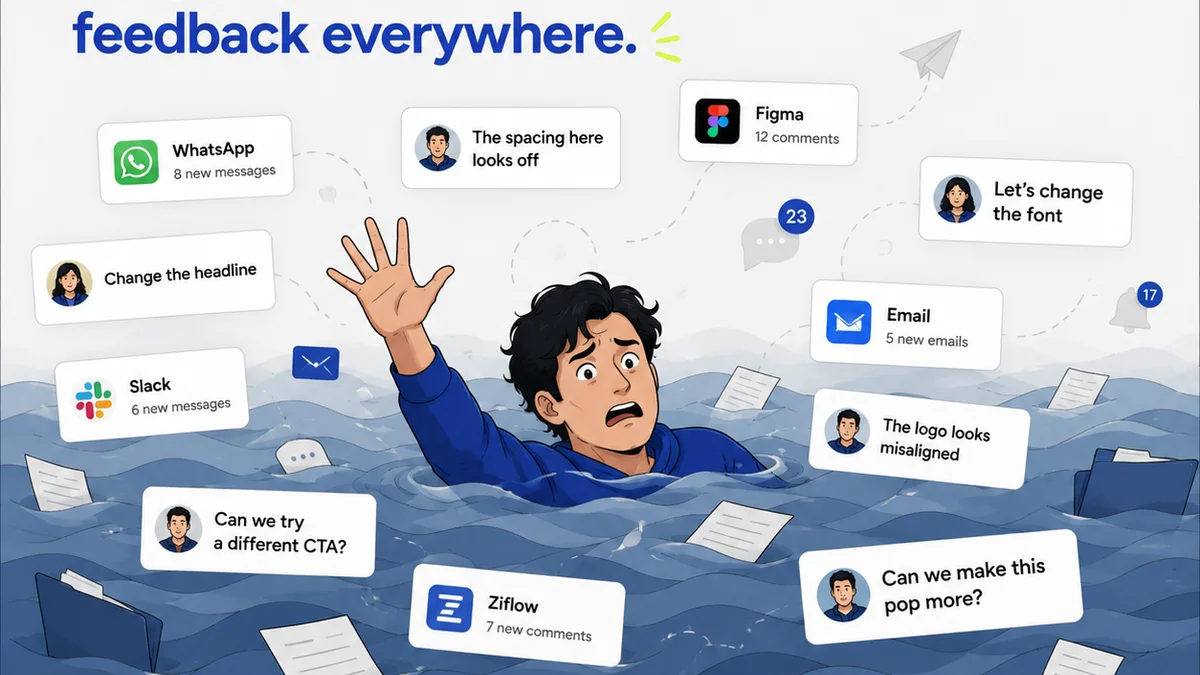
The hard truth? The most critical touchpoints in a manufacturing customer journey often happen *outside* your factory walls, in the messy middle of client communication and feedback. And if you’re not actively managing them, you’re leaving money on the table.
1. The Illusion of Control: Where Feedback Goes to Die
Most manufacturers assume that once a prototype is sent, or a spec sheet is reviewed, the feedback loop is straightforward. It’s not.
Think about it. How many times has a client email about a design revision gotten lost in an inbox? How many conversations about material changes happened verbally, with no record?
This isn't about bad clients or lazy account managers. It's about a lack of system. Without a centralized hub for feedback, revisions, and approvals, chaos is inevitable.
The Symptoms of a Broken Feedback Loop
- Endless email chains trying to track down a single approval.
- Misinterpretations of design or spec feedback leading to costly rework.
- Account managers spending more time chasing feedback than strategic client work.
- Clients feeling ignored or confused about the revision process.
- Missed deadlines due to unclear or delayed sign-offs.
These aren't minor inconveniences. They are direct drains on profitability and client relationships.
2. Beyond the Blueprint: Mapping the *Real* Customer Journey
Your customer's journey isn't just about the product being built. It's about their experience *interacting* with your process.
This includes:
- Initial consultations and quoting.
- Design review stages (digital mockups, physical prototypes).
- Material and component selection discussions.
- Production updates and transparency.
- Quality assurance checks and sign-offs.
- Post-delivery support and follow-up.
Each of these is an opportunity to build trust or erode it.
The Digital Touchpoints Matter Most
In today's world, a significant portion of these interactions happen digitally. This is where the real power—and risk—lies.
Are you using:
- Generic email for design feedback?
- Spreadsheets for tracking revision history?
- Phone calls for critical approval confirmations?
If so, you're operating blindfolded.
3. The Operational Truth: Feedback is a Product, Not a Byproduct
Many agencies treat client feedback as an unstructured input. A necessary evil. This is a critical mistake.
Feedback, when managed effectively, is a product in itself. It’s raw material that, when processed correctly, leads to a better final product and a happier client.
What
Frequently asked questions
What are the key differences between internal and external customer journey mapping in manufacturing?
Internal mapping focuses on optimizing operational processes within the factory (e.g., production flow, supply chain). External mapping, on the other hand, concentrates on the client's experience interacting with the company, particularly during communication, feedback, and approval stages, which often occur outside the factory.
How can managing client feedback improve profitability for manufacturers?
Effective feedback management reduces costly rework due to misinterpretations, minimizes delays caused by unclear approvals, and frees up account managers to focus on strategic client engagement rather than chasing information. This streamlined process leads to more efficient project delivery and stronger client retention.
What are the biggest risks of not centralizing client feedback?
The primary risks include miscommunication leading to errors, lost feedback resulting in scope creep or incorrect deliverables, client frustration and dissatisfaction, missed deadlines, and ultimately, damage to the agency's reputation and profitability. It creates an operational blind spot.
How does a tool like Revue help in managing the manufacturing customer journey?
Revue acts as a centralized hub for all client feedback, revisions, and approvals. It provides a clear, auditable trail of communication, ensuring that all stakeholders are on the same page. This visibility helps prevent misinterpretations, accelerates approval cycles, and enhances the overall client experience by offering transparency and control.