Everyone talks about the customer journey as a marketing funnel. Awareness, interest, decision. That’s the first half, and frankly, it's the easy half. The real cost, the one that eats into your bottom line and damages your reputation, happens *after* the sale. In manufacturing, this post-purchase journey is where many companies bleed money. They focus so much on closing the deal, they forget about what happens next.
None of that is wrong. But it’s incomplete.
The hard truth is that a broken post-sale customer journey in manufacturing isn't just an inconvenience; it's a direct drain on resources and a silent killer of repeat business and referrals.
1. The Myth of 'Set It and Forget It' Installations
Many manufacturers assume that once a product is installed, the customer's journey is essentially over. They've paid, they've received the goods, and that's that. This is a critical oversight.
The installation phase is often the first, and most crucial, touchpoint after the transaction. A clumsy, poorly documented, or unsupported installation process creates immediate friction.
The Ripple Effect of a Bad Install
- Increased support calls.
- Higher return rates.
- Negative reviews and word-of-mouth.
- Customer frustration that sours the entire relationship.
Think about complex machinery, specialized equipment, or even custom-fabricated components. These don't just plug in. They require expertise, clear guidance, and often, on-site support. If this isn't meticulously planned and executed, the customer's perception of value plummets, regardless of the product's inherent quality.
This isn't just about training the end-user; it's about ensuring the installation process itself is a positive, confidence-building experience.
2. Underestimating the Support Black Hole
After installation comes support. This is where many manufacturing businesses truly falter. They might have a basic help desk, but it's often ill-equipped to handle the nuances of complex industrial products.
The assumption: Customers will only call with simple, predictable issues.
The reality: Customers face unique, often unforeseen problems that require deep product knowledge and troubleshooting expertise.
Symptoms of a Failing Support System
- Long wait times for callbacks or email responses.
- Support staff lacking specific product knowledge.
- Inability to resolve issues on the first contact.
- Customers being bounced between departments.
- Escalation loops with no clear resolution path.
Every minute a machine is down, or a process is stalled due to unresolved support issues, costs the customer money. That cost is directly attributable to your product and your company. If your support is a black hole, you're not just failing to help; you're actively costing your clients their own revenue and productivity.
3. Ignoring the Feedback Loop (and the Data It Generates)
Feedback is gold. Yet, many manufacturers treat it as an afterthought, if they collect it at all. Post-sale surveys are often generic, sent too late, or simply ignored.
The belief: We know our product is good, so we don't need extensive feedback.
The truth: Customer experience is subjective, and operational feedback reveals critical flaws you can't see from inside your factory.
What You're Missing by Not Listening
- Early warnings of product defects or design flaws.
- Insights into how your product is *actually* used in real-world scenarios.
- Opportunities to improve documentation, training, or installation guides.
- Identification of recurring support issues that point to systemic problems.
- Customer suggestions for new features or improvements that could drive future sales.
Collecting feedback isn't enough. You need to analyze it. Trends in support tickets, common complaints in surveys, and even casual mentions on industry forums can provide invaluable data. Ignoring this data is like driving with your eyes closed.
4. The Hidden Costs of Poor Documentation and Training
Documentation and training are often seen as necessary evils – a cost center, not a value driver. Manuals are dense, outdated, or poorly translated. Training sessions are generic, rushed, or inaccessible.
The assumption: Customers can figure it out themselves, or our sales team will handle questions.
The reality: Inadequate documentation and training lead to misuse, underutilization, and ultimately, dissatisfaction.
Consequences of Neglecting Knowledge Transfer
- Increased errors in operation and maintenance.
- Reduced efficiency and output from the equipment.
- Premature wear and tear on components due to incorrect usage.
- Higher frequency of support requests for basic operational questions.
- Customers not realizing the full potential or capabilities of their purchase.
High-quality, accessible documentation (think clear diagrams, step-by-step guides, and video tutorials) and effective, tailored training are investments. They empower your customers, reduce their operational burdens, and transform them into more competent, satisfied users.
5. The Overlooked Renewal and Upsell Journey
For manufacturers with service contracts, consumables, or upgrade paths, the post-sale journey is continuous. But often, the renewal process is reactive and uninspired.
The mindset: We'll just send them a bill when it's time to renew.
The outcome: Lost revenue and a missed opportunity to deepen the client relationship.
Why Reactive Renewals Fail
- Lack of proactive engagement about the value being delivered.
- Competitors offering more attractive or integrated solutions.
- Customers feeling like just another number, not a valued partner.
- No clear path for discussing upgrades or complementary products.
A robust renewal strategy involves demonstrating ongoing value, understanding evolving customer needs, and proactively presenting relevant upsell or cross-sell opportunities. This requires a deep understanding of the customer's lifecycle with your product.
Where Revue Fits In
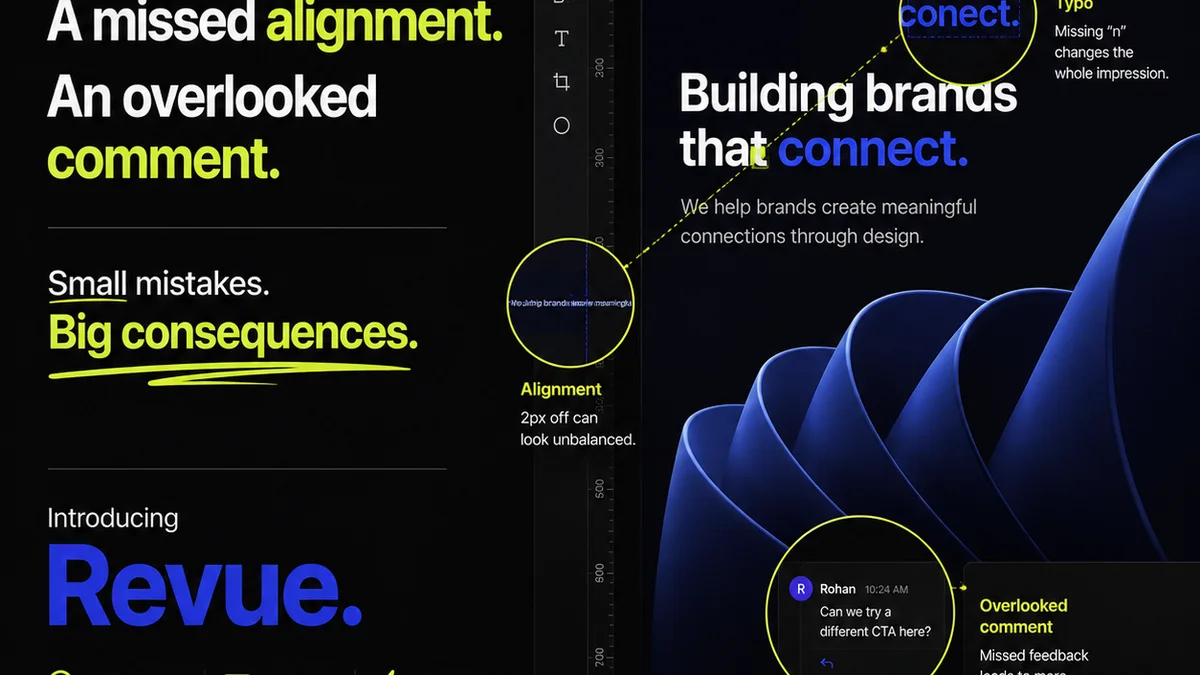
Managing the complexities of the manufacturing customer journey, especially the post-sale and support phases, requires clear communication and visible processes. This is where a centralized platform like Revue becomes invaluable.
Imagine streamlining the entire feedback collection process. Instead of scattered emails and forgotten surveys, all customer input is gathered in one place, tagged, and prioritized. This makes identifying recurring issues or potential product improvements far more efficient.
When a customer reports an issue, having a clear workflow for tracking that support ticket, its resolution, and any related revisions or documentation updates ensures nothing falls through the cracks. Visibility into the revision and approval process for custom modifications or service reports means your team and the client are always on the same page.
Furthermore, by logging and tracking quality checks and project milestones, you build a comprehensive history. This data is crucial for understanding customer satisfaction trends, identifying training gaps, and informing future product development. It transforms the often-chaotic post-sale experience into a managed, predictable, and value-driven process.
Final Thought
The manufacturing customer journey doesn't end when the invoice is paid. It's a continuous relationship built on reliable performance, responsive support, and ongoing value. Are you treating the post-sale experience as an afterthought, or as the critical engine of long-term profitability and customer loyalty it truly is?
Frequently asked questions
Why is the post-sale customer journey so critical in manufacturing?
In manufacturing, the post-sale journey is critical because it directly impacts customer retention, repeat business, and brand reputation. Issues with installation, support, or ongoing use can lead to significant dissatisfaction, costly downtime for the client, and negative word-of-mouth, ultimately costing your business money and future opportunities.
How can poor documentation hurt a manufacturing business?
Poor documentation leads to incorrect product usage, increased operational errors, reduced efficiency, and higher support costs. Customers may not understand how to operate or maintain the equipment properly, leading to premature wear, breakdowns, and a failure to realize the product's full value, causing frustration and dissatisfaction.
What are the signs of a failing post-sale support system in manufacturing?
Signs include long wait times for support, staff lacking product-specific knowledge, issues not being resolved on the first contact, customers being transferred multiple times, and a lack of clear escalation paths. These indicate an inability to effectively assist clients, leading to prolonged downtime and dissatisfaction.
How does Revue help manage the manufacturing customer journey?
Revue centralizes feedback, streamlines support ticket tracking, provides visibility into revision and approval processes, and logs quality checks. This creates a more organized, efficient, and transparent post-sale experience, helping manufacturers identify issues, improve processes, and enhance customer satisfaction.