Everyone agrees that getting marketing assets approved is crucial. It’s the gatekeeper to launching campaigns, updating websites, and keeping your brand consistent. Seems simple enough, right? Just get a few eyeballs on it, get a few checkmarks, and move on.
None of that is wrong. But it’s incomplete.
The hard truth? Most marketing asset approval processes are broken. They’re not just slow; they’re actively hostile to creativity, efficiency, and clear communication. They breed frustration, missed deadlines, and ultimately, weaker marketing.
Let’s fix that. Here’s how to build an approval process that actually works.
1. The Feedback Frenzy: When More Isn't More
The assumption is that more eyes on a marketing asset mean better quality. More feedback, more perspectives, more chances to catch errors. Sounds logical. In reality, too many cooks spoil the broth, and in asset approval, that broth is usually a tangled mess of conflicting opinions and subjective critiques.
This isn't about avoiding feedback. It's about structuring it. Unstructured feedback from too many sources becomes noise. It’s impossible to synthesize, impossible to act on decisively, and often leads to over-correction that dilutes the original intent.
The Symptoms of Feedback Overload
- Endless email chains with conflicting
Frequently asked questions
What's the biggest mistake agencies make in asset approval?
The biggest mistake is treating asset approval as a linear, one-time event rather than an iterative process. This often leads to unstructured feedback, endless revision cycles, and missed deadlines because stakeholders aren't aligned on what 'done' looks like.
How can I reduce the number of revision rounds?
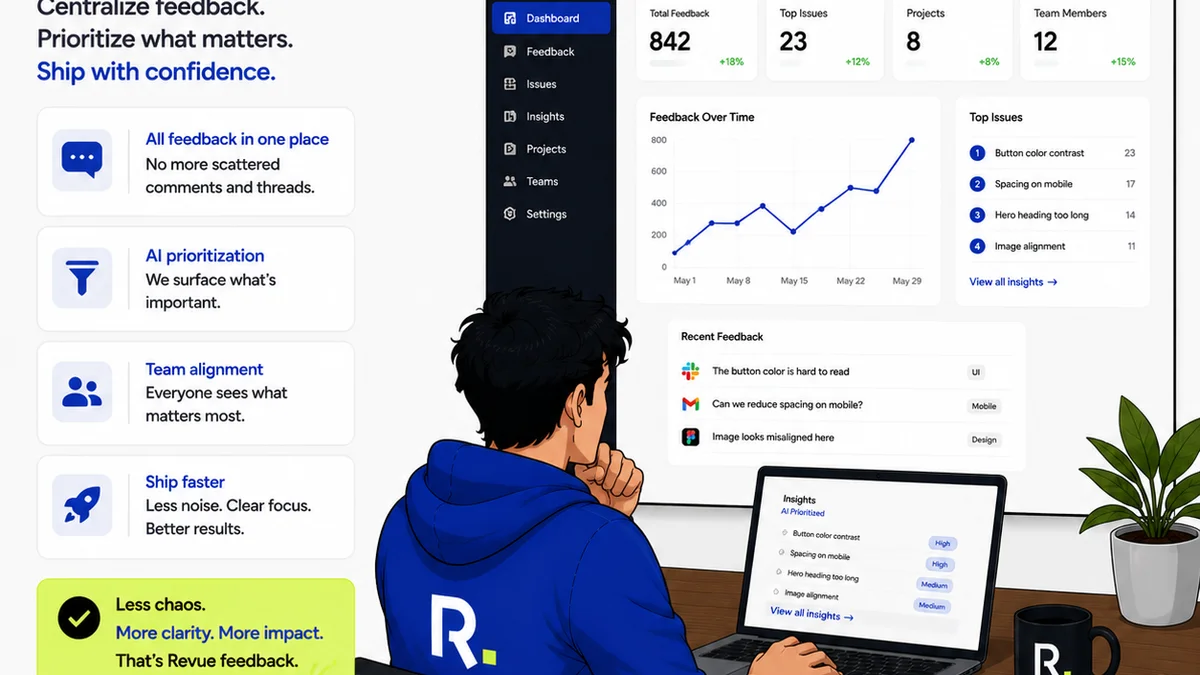
Clearly define the scope of feedback upfront. Establish who the final approver is and what their criteria for approval are. Centralizing feedback in one tool also prevents conflicting comments from different channels and ensures everyone sees the same version.
Who should be involved in the approval process?
Involve only essential stakeholders whose input is critical for the asset's success and final sign-off. Too many people involved leads to conflicting feedback and delays. Define roles clearly: reviewers, approvers, and those who just need to be informed.
How do I handle subjective feedback during approval?
Subjective feedback should be framed within objective brand guidelines or campaign goals. If feedback is purely personal preference, push back politely by asking 'How does this align with the brief or our target audience?' Documenting the brief helps anchor discussions.