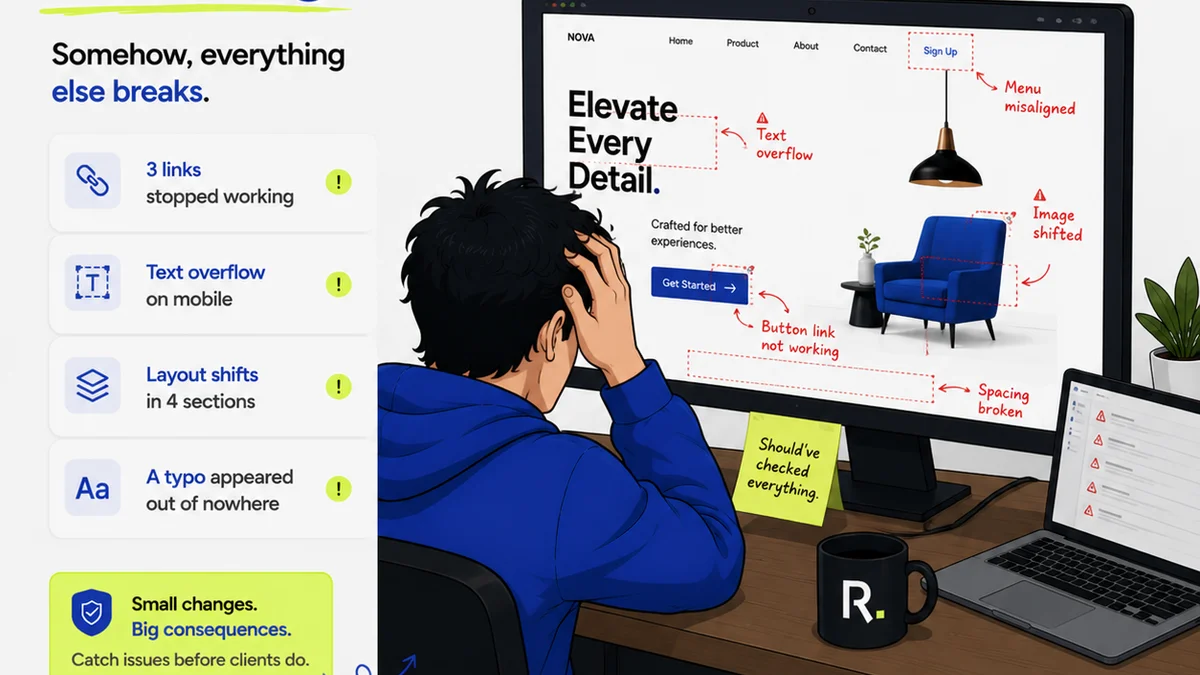
Everyone knows marketing asset QA is important. You check for typos, broken links, and make sure the logo is the right color. That’s the bare minimum, right?
None of that is wrong. But it’s incomplete.
The hard truth? Most marketing asset QA processes are reactive, haphazard, and frankly, a waste of time. They catch obvious errors but miss the systemic issues that lead to client dissatisfaction and costly rework.
True quality assurance for marketing assets goes deeper. It’s about building a proactive system that prevents errors before they happen and ensures every deliverable aligns with strategic goals, brand guidelines, and client expectations.
1. Beyond the Checklist: The Real Purpose of QA
A QA checklist is a tool, not a strategy. Relying solely on a list of common errors is like using a band-aid on a broken bone.
The real purpose of marketing asset QA is to:
- Validate strategic alignment: Does this asset actually serve the campaign objective?
- Ensure brand integrity: Is this unmistakably *our* client’s brand?
- Confirm technical accuracy: Does it function as intended across all required platforms?
- Mitigate risk: Are there legal, compliance, or usability issues?
- Build client confidence: Does this deliverable reflect professionalism and attention to detail?
When you frame QA this way, it shifts from a tedious final step to a critical phase of strategic execution.
2. The Symptoms of Poor QA
How do you know your QA process is broken? Look for these signs:
- Frequent client-caught errors: Typos, wrong URLs, incorrect product names.
- Endless revision cycles: The client finds issues *after* the final sign-off.
- Brand inconsistency: Assets look and feel different across campaigns or platforms.
- Technical failures: Links don't work, videos don't play, files are the wrong format.
- Team burnout: Creatives and account managers are constantly firefighting.
- Lost client trust: Clients start second-guessing your team’s competence.
These aren't isolated incidents. They're symptoms of a flawed QA system.
3. Building a Proactive QA Framework
A robust QA framework starts long before the final file is exported. It’s integrated into the workflow.
3.1. Define Clear Standards Upfront
Before any work begins, establish crystal-clear standards. This includes:
- Brand Guidelines: A comprehensive, accessible document covering logo usage, color palettes, typography, tone of voice, and imagery style.
- Technical Specifications: File formats, dimensions, resolution, aspect ratios, and delivery requirements for each platform.
- Accessibility Standards: Adherence to guidelines like WCAG for digital assets.
- Legal & Compliance: Any necessary disclaimers, disclosures, or regulatory requirements.
These aren't suggestions; they're non-negotiables.
3.2. Integrate QA into Every Stage
QA shouldn't be a single event. It should be a continuous process.
Concepting & Strategy: Does the core idea align with the brief and client goals?
Design & Copywriting: Are there internal reviews for clarity, accuracy, and brand voice?
Development & Production: Are technical specs being met? Is functionality tested?
Pre-flight Checks: Before final export, run automated checks for common technical issues.
3.3. Empower Your Reviewers
Who is doing the QA? Are they equipped?
- Train your team: Ensure everyone understands brand guidelines, technical specs, and common pitfalls.
- Assign ownership: Designate specific individuals or roles responsible for QA at different stages.
- Provide the right tools: Use software that facilitates clear annotation and feedback.
Reviewers need context, not just a checklist.
3.4. Standardize Feedback
Ambiguous feedback is the enemy of efficient QA.
Establish a clear process for providing and receiving feedback:
- Use a centralized platform: Avoid scattered email chains and Slack messages.
- Be specific: Instead of
Frequently asked questions
What is the primary goal of marketing asset QA?
The primary goal of marketing asset QA is to ensure that all creative deliverables meet strategic objectives, maintain brand integrity, are technically accurate, and comply with any relevant legal or accessibility standards, ultimately building client confidence and preventing costly errors.
How can agencies make QA a proactive process?
Agencies can make QA proactive by integrating it into every stage of the workflow, from initial concepting to final delivery. This involves defining clear standards upfront, empowering reviewers with training and tools, standardizing feedback, and leveraging technology for automated checks and centralized communication.
What are the key elements of a strong brand guideline for QA?
A strong brand guideline for QA includes clear rules on logo usage, color palettes, typography, tone of voice, imagery style, and any other visual or verbal elements that define the brand's identity. These guidelines should be comprehensive and easily accessible to the entire team.
How does Revue help with marketing asset QA?
Revue helps streamline marketing asset QA by centralizing client feedback and revision management. It provides a single source of truth for comments, approvals, and version history, reducing ambiguity and ensuring that all stakeholders are working with the latest information, thereby minimizing errors and speeding up the approval process.