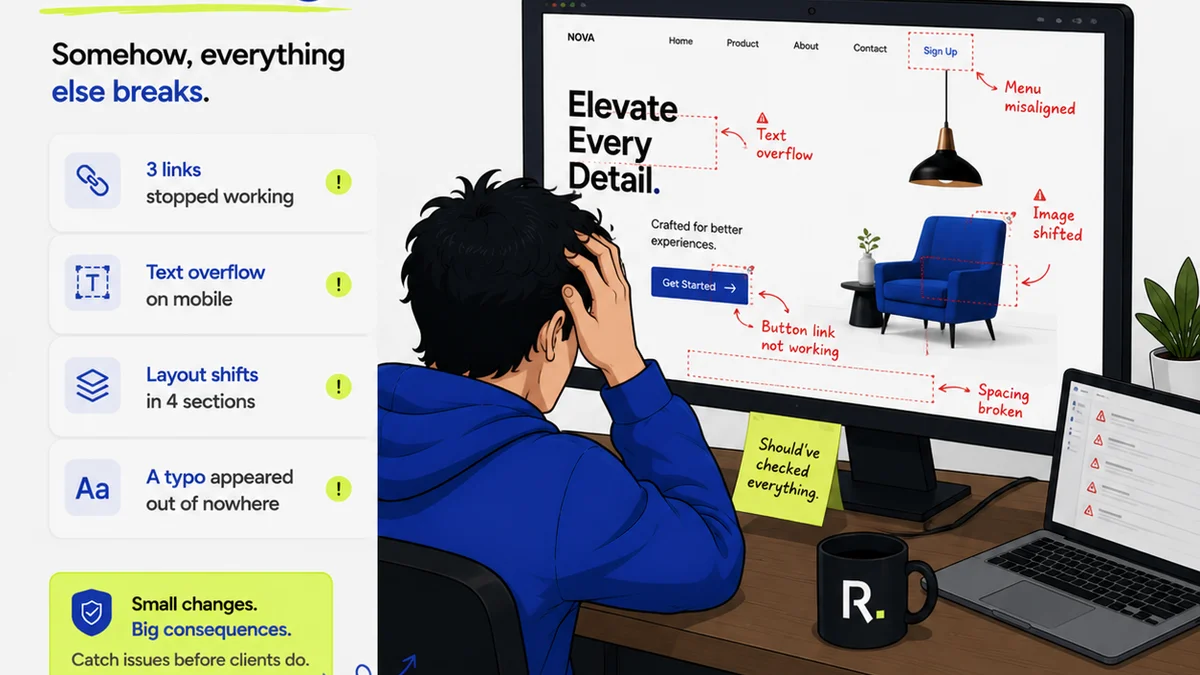
Everyone agrees marketing asset quality assurance (QA) is critical. You check for typos, brand misalignments, broken links, and correct specs. It’s the final gate before launch. None of that is wrong. But it’s incomplete.
The hard truth? Treating QA as a box-ticking exercise at the end of the line is a recipe for churn, missed deadlines, and subpar creative. It’s a symptom of a broken process, not a solution.
1. The Myth of the Final Check
The assumption is simple: build the asset, then QA it. This approach views QA as a gatekeeper, a necessary evil to catch mistakes before they go public. It’s reactive, not proactive.
This creates a bottleneck. The QA team becomes the bottleneck, often swamped with last-minute requests. Creative teams feel the pressure, rushing through their own checks to meet deadlines.
The result is often a superficial review. Is the logo there? Is the headline legible? These are important, but they miss the bigger picture.
The Real Cost of Reactive QA
- Extended revision cycles.
- Increased stress for all teams involved.
- Missed opportunities for creative refinement.
- Damage to brand reputation from errors.
- Higher costs due to rework.
This is not how you build great marketing assets. It’s how you survive the process.
2. Quality is Built-In, Not Bolted On
True marketing asset QA starts long before the final file is rendered. It’s embedded into every stage of the creative workflow.
Think of it like building a house. You don’t wait until the house is built to check if the foundation is solid. You inspect it during construction.
Shifting Your QA Mindset
This requires a fundamental shift: from QA as a distinct phase to QA as a continuous activity.
It means empowering the creative team to own quality from the outset. It means making feedback and review part of the daily grind, not a dreaded end-of-project event.
- Briefing: Are the objectives clear? Are the target audience and key message defined?
- Concepting: Does the direction align with the brief? Is it strategically sound?
- Design/Copywriting: Is the execution on-brand? Is the copy compelling and error-free?
- Development: Is the asset functional across devices and platforms?
Each of these stages needs built-in quality checks. These aren't formal QA passes, but integrated checkpoints.
3. Defining
Frequently asked questions
What is the biggest mistake agencies make with marketing asset QA?
The biggest mistake is treating marketing asset QA as a final, isolated step. This reactive approach creates bottlenecks, increases stress, and often leads to superficial checks that miss critical errors or strategic misalignments.
How can creative teams improve their internal QA process?
Creative teams can improve internal QA by embedding quality checks throughout the workflow, not just at the end. This includes thorough brief reviews, concept validation, and iterative design/copy checks. Utilizing tools for centralized feedback also helps ensure nothing slips through.
What are the key elements of a robust marketing asset QA checklist?
A robust checklist goes beyond basic error spotting. It includes strategic alignment (does it meet the brief?), brand consistency, technical specifications (file formats, dimensions), functional testing (links, interactivity), accessibility compliance, and legal/compliance review.
How does centralized feedback impact marketing asset QA?
Centralized feedback tools consolidate all comments and revisions in one place, creating a clear audit trail. This reduces confusion, minimizes miscommunication, and ensures all stakeholders have visibility into the asset's evolution, making final QA more efficient and thorough.