Everyone wants to avoid shipping bad creative. We all know that a shoddy marketing asset can tank a campaign before it starts. You've probably heard that the fix is rigorous quality assurance (QA) at the end of the line. That's not wrong. But it's definitely incomplete.
The hard truth? The real QA failures happen much earlier. They're baked into how you manage feedback, track revisions, and even how you define 'done'.
1. Treating QA as an Afterthought, Not a Process
Many agencies tack QA onto the end of a project like a final polish. It’s an email chain, a quick look-over, a checklist that’s more performative than practical. This approach guarantees problems, not solutions. It assumes that the work leading up to this point was flawless.
It rarely is.
The Symptoms of Late-Stage QA
- Last-minute
Frequently asked questions
What's the biggest mistake agencies make in marketing asset QA?
The biggest mistake is treating QA as a final, isolated step. Effective quality assurance is integrated throughout the entire creative process, from initial brief to final delivery. It's about building quality in, not just checking for errors at the end.
How can I ensure consistency across all marketing assets?
Establish clear brand guidelines and style guides. Use templates where possible. Implement a centralized feedback and approval system that tracks all changes and ensures all stakeholders sign off on the final version, preventing drift.
What are the key elements of a robust marketing asset QA checklist?
A robust checklist should cover: brand compliance (logos, colors, fonts), messaging accuracy, legal/compliance requirements, technical specifications (file formats, dimensions, resolution), accessibility standards (WCAG), and functional correctness (links, CTAs).
How does feedback management impact marketing asset quality?
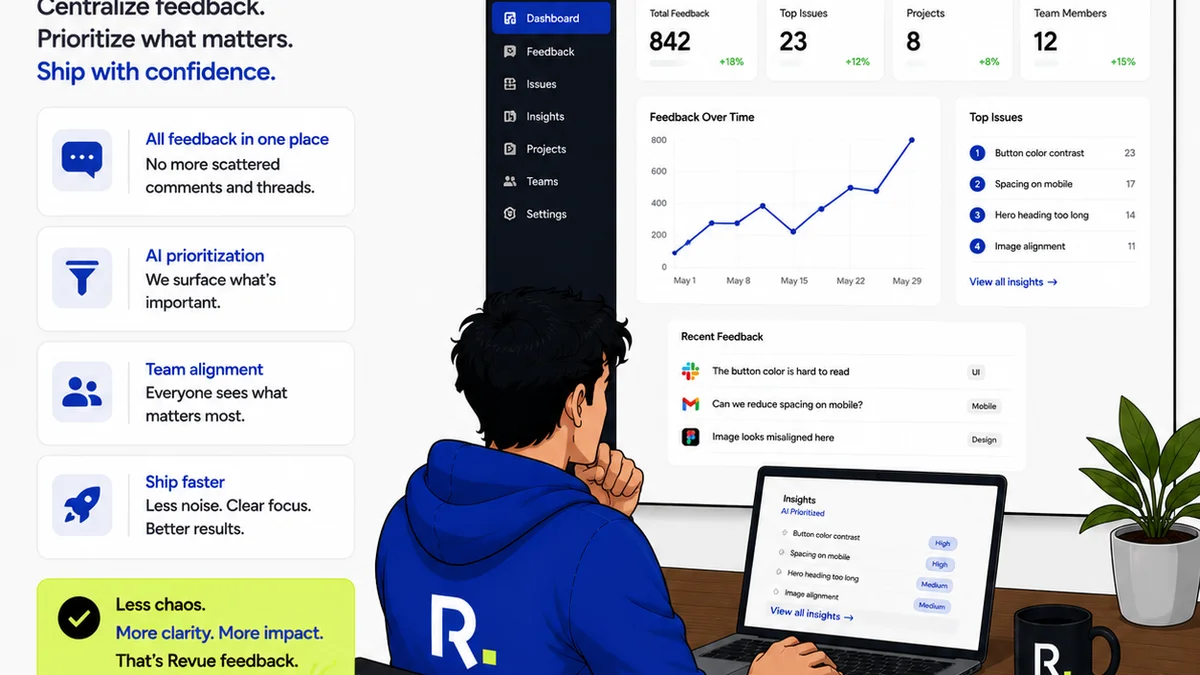
Poor feedback management leads to misinterpretations, missed comments, conflicting instructions, and endless revision cycles. Centralized feedback ensures all comments are captured, addressed, and tracked, leading to clearer communication and higher quality assets.