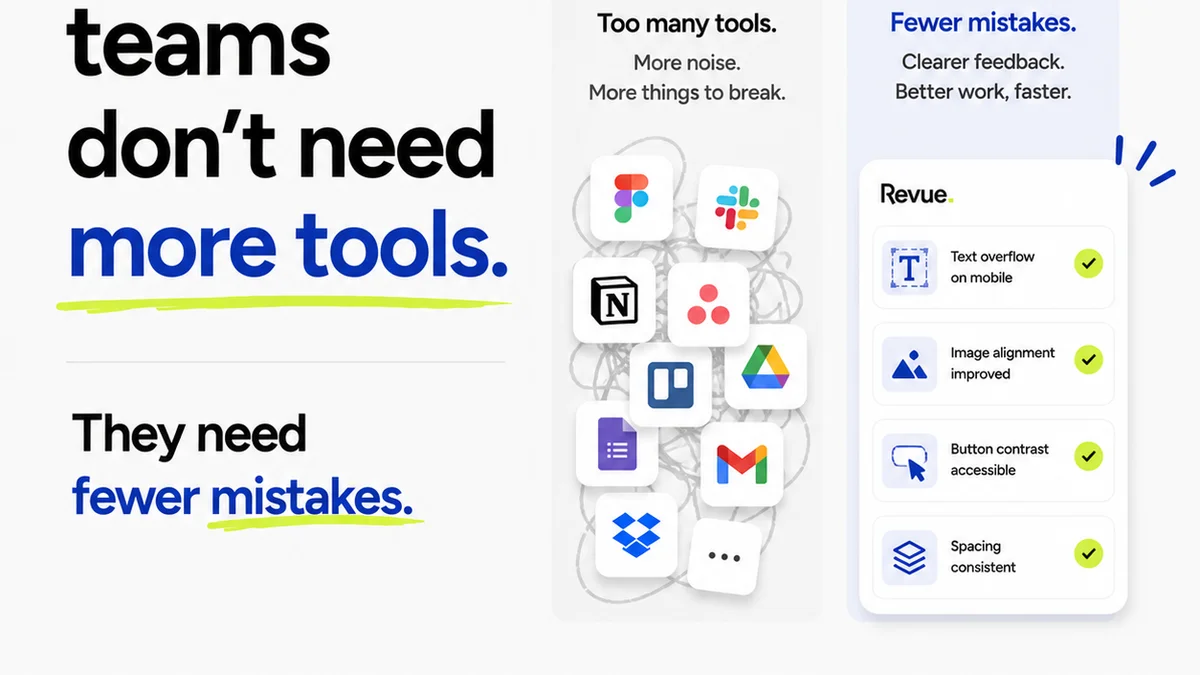
Everyone talks about marketing asset QA software as the magic bullet for creative perfection. The promise is simple: upload your work, run it through the system, and out pops flawless final assets. No more typos, no broken links, no off-brand colors. Sounds great, right?
None of that is wrong. But it’s incomplete.
The hard truth is that marketing asset QA software isn't about achieving some mythical state of error-free creativity. It's about building a more efficient, transparent, and accountable workflow. The goal isn't zero errors; it's fewer, faster, and with clear ownership.
1. Beyond Basic Spellcheck: What Real QA Entails
Most teams think QA is just about catching mistakes. It’s more than that. It’s a multi-faceted process that ensures your creative output aligns with strategic goals, brand guidelines, and technical specifications.
Think about the sheer volume of assets a growing agency or in-house team produces:
- Social media posts (static, video, stories)
- Website banners and landing pages
- Email campaigns
- Print collateral (brochures, flyers)
- Presentation decks
- Video ads and explainer videos
- Infographics
Each asset type has its own set of potential pitfalls. A typo on a billboard is bad. A broken link on a landing page can cost you conversions. Off-brand colors on a social post dilute brand equity.
Effective marketing asset QA software needs to support this breadth and depth.
The Core Pillars of Asset Review
When we talk about QA, we're really discussing three interconnected areas:
- Accuracy: Is the copy correct? Are the stats right? Are the links functional?
- Brand Compliance: Does it adhere to brand guidelines (logos, colors, fonts, tone of voice)?
- Technical Readiness: Is it built to spec for the intended platform (file size, resolution, format, aspect ratio)?
Many tools focus on one or two. The best ones understand how they all interrelate.
2. Centralized Feedback: The Foundation of Efficient Approvals
The biggest bottleneck in creative workflows isn't the creation itself. It’s the feedback loop. Scattered emails, endless Slack threads, and misinterpreted verbal notes lead to confusion, wasted time, and frustration.
Marketing asset QA software must centralize this chaos.
What does that look like in practice?
- Single Source of Truth: All feedback, revisions, and approvals live in one place, attached directly to the asset.
- Contextual Annotations: Comments are placed precisely where they’re needed on the creative itself. No more
Frequently asked questions
What is the primary benefit of marketing asset QA software?
The primary benefit is streamlining the feedback and approval process, reducing errors, ensuring brand consistency, and ultimately saving time and resources by centralizing communication and version control.
How does QA software help with brand compliance?
QA software allows you to set up custom brand guidelines (colors, fonts, logos, tone) that can be checked against assets. It also enables precise annotation for feedback related to brand deviations.
Is marketing asset QA software only for large agencies?
No, marketing asset QA software is valuable for agencies and in-house teams of all sizes. Smaller teams benefit from the organization and efficiency gains, while larger teams need it to manage complex projects and multiple stakeholders.
What's the difference between QA software and general project management tools?
While project management tools track tasks and deadlines, QA software is specifically designed for reviewing creative work. It offers features like visual annotation, version comparison, and automated checks tailored to creative assets.