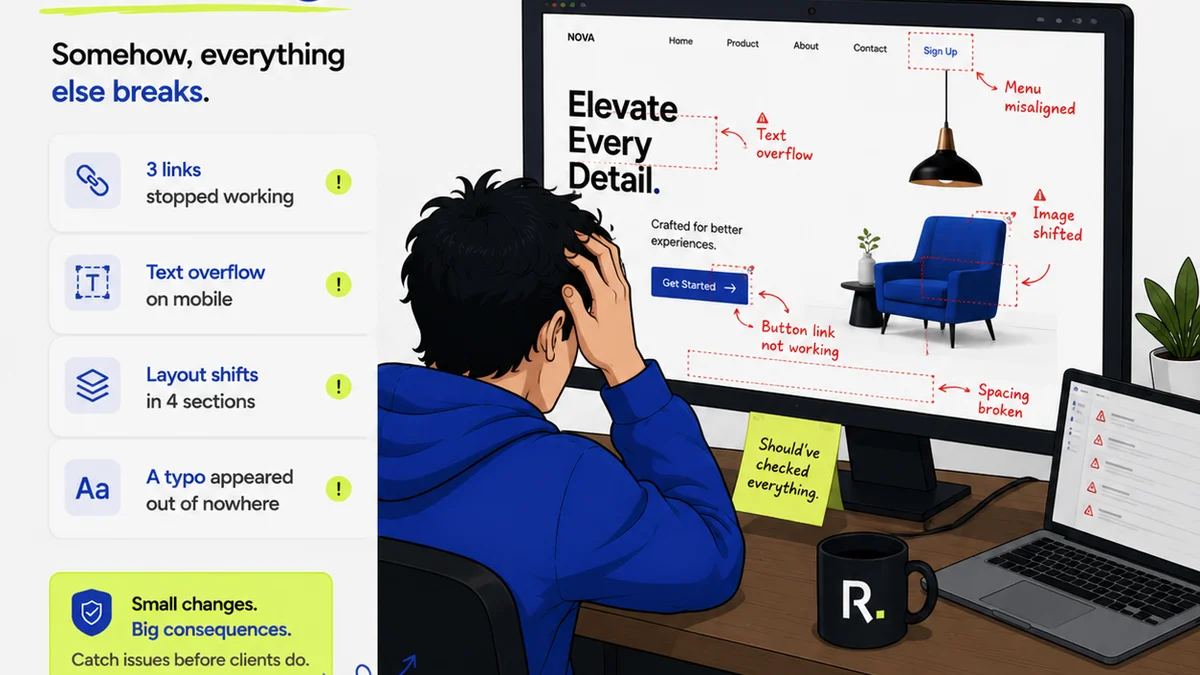
Everyone talks about marketing collaboration. They say it’s about open communication, shared documents, and regular meetings. None of that is wrong. But it’s incomplete.
The real hard truth about marketing collaboration is that it’s not about the tools or the buzzwords. It’s about workflow. It’s about having a system that anticipates friction and smooths it out before it kills your momentum.
For agencies and in-house teams, this means moving beyond hope and into deliberate process design. Especially when dealing with client feedback and creative approvals.
1. The Myth of 'Effortless' Collaboration
The assumption is that if you hire good people and give them Slack, they’ll just collaborate effectively. That great ideas will flow freely and seamlessly.
This rarely happens without structure.
The reality is that creative work is messy. Feedback loops can be chaotic. Different stakeholders have different priorities. And often, the tools meant to help actually create more noise.
Think about it:
- Endless email chains with buried feedback.
- Version control nightmares where the wrong file gets approved.
- Misunderstandings due to a lack of clear context.
- Wasted time chasing down approvals.
- Frustration on both the client and agency sides.
This isn't collaboration; it's operational drag.
2. Defining True Marketing Collaboration
True marketing collaboration is a structured approach to managing the entire creative lifecycle. It’s about ensuring everyone involved – from internal teams to external clients – has the right information at the right time, without the noise.
It’s about clarity and accountability.
This means:
- Establishing clear roles and responsibilities.
- Defining unambiguous feedback and approval processes.
- Centralizing all project communication and assets.
- Creating a single source of truth for every creative deliverable.
When you have this, you don’t just get better work; you get it faster and with less stress.
The Core Pillars of Effective Workflow
Building a collaborative workflow rests on a few key principles:
Centralization: All project-related communication, files, and feedback must live in one accessible place. This eliminates scattered information and reduces the chance of miscommunication.
Visibility: Stakeholders need to see the status of creative assets, who is responsible for what, and where the project stands in the review process. Transparency builds trust and speeds up decision-making.
Accountability: Clear ownership for tasks and feedback is crucial. When it's obvious who needs to do what and by when, things get done.
Context: Feedback needs to be tied directly to the specific asset being reviewed. Generic comments lead to generic revisions, if they lead to revisions at all.
3. The Feedback Loop from Hell (and How to Escape It)
Client feedback is the lifeblood of creative work, but it’s also a common bottleneck. The way feedback is handled often determines the success or failure of a project.
The old way:
- Clients email comments, sometimes with screenshots.
- Agency team members have to collate these emails, often leading to interpretation errors.
- Revisions are made, and the cycle repeats, sometimes for weeks.
This is inefficient and error-prone. It breeds frustration and can damage client relationships.
Breaking the Cycle with Structured Feedback
Effective collaboration demands a structured feedback process. This means:
On-Canvas Annotation: Allowing clients (and internal teams) to click directly on an image or video and leave comments. This provides precise context.
Version Control: Every revision should be tracked. Clients need to see what’s changed and approve specific versions, not just a general update.
Clear Approval Gates: Define when feedback is considered final and when an asset is officially approved. This prevents scope creep and endless tweaking.
Consolidated Feedback: Instead of dozens of individual comments, consolidate feedback into actionable items. This forces a more strategic review.
This structured approach ensures that feedback is constructive, actionable, and directly tied to the creative asset.
4. Managing Revisions and Approvals Like a Pro
Revisions and approvals aren't just administrative tasks; they are critical stages of the creative process. Mishandling them leads to delays, cost overruns, and subpar work.
The common pitfalls:
- Lack of clear timelines for feedback and revisions.
- Ambiguous feedback that requires clarification.
Frequently asked questions
What is the biggest mistake teams make in marketing collaboration?
The biggest mistake is assuming collaboration will happen organically without a structured workflow. Teams often rely on basic communication tools without defining clear processes for feedback, revisions, and approvals, leading to chaos and inefficiency.
How does centralized feedback improve collaboration?
Centralized feedback ensures all comments are in one place, tied directly to the asset being reviewed. This eliminates scattered emails, reduces misinterpretations, provides clear context, and makes it easier to track revisions, leading to faster decision-making and fewer errors.
What are the key components of effective revision and approval processes?
Key components include clear timelines for feedback, on-canvas annotation for precise comments, robust version control to track changes, and defined approval gates to signal final sign-off. This structure prevents scope creep and ensures accountability.
Can marketing collaboration tools really make a difference?
Yes, specialized tools can make a significant difference by providing the structure needed for effective collaboration. They centralize communication, manage versions, track approvals, and offer on-canvas annotation, streamlining the entire creative workflow and reducing operational friction.