Everyone says the best marketing collaboration software is about task management, shared calendars, and quick communication. That’s not wrong. But it’s incomplete.
For legal marketing teams, the real challenge isn't just coordinating tasks. It's managing the intense scrutiny, complex approvals, and high stakes inherent in legal work. This requires a different kind of collaboration tool.
1. Beyond Basic Project Management: Handling Legal Nuances
Legal marketing operates under a unique set of pressures. Think compliance, risk aversion, and an absolute need for accuracy. Generic project management tools often fall short.
They might track deadlines, but do they manage the granular feedback loops required for client-facing legal documents? Can they handle the multiple layers of review from partners, compliance officers, and even external counsel?
The Feedback Black Hole
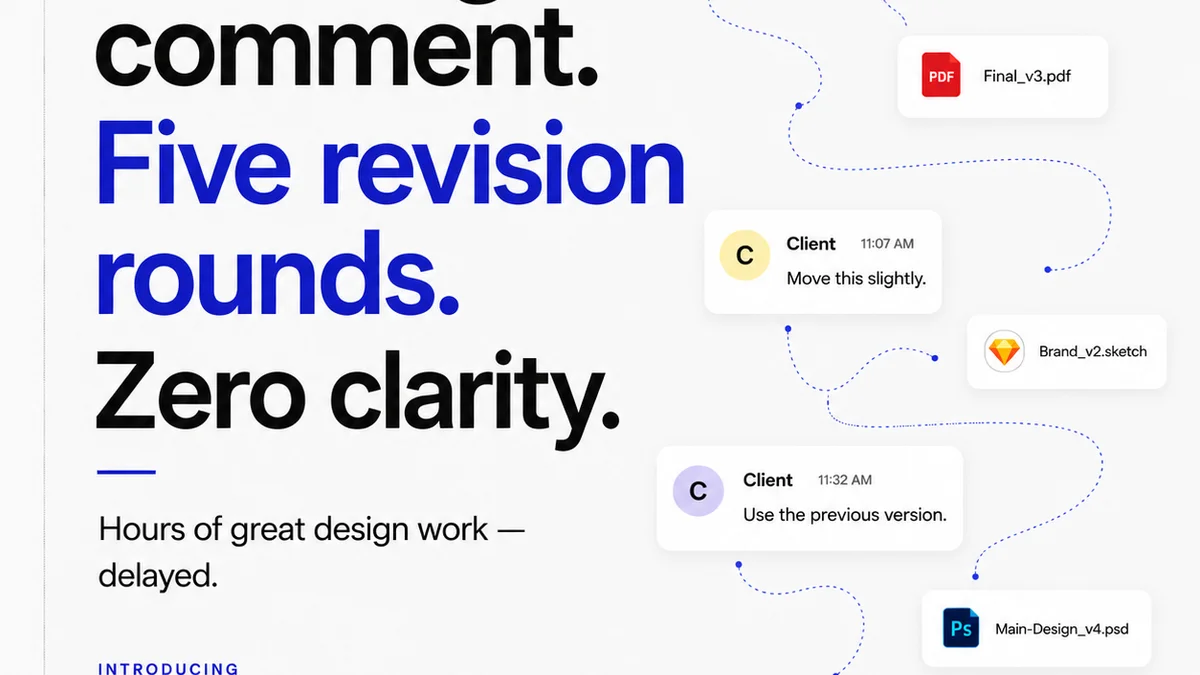
A common pain point is the 'feedback black hole.' Comments get lost in email chains, buried in spreadsheets, or scribbled on printouts. This isn't just inefficient; it's dangerous in a legal context where a missed revision can have serious consequences.
You need software that centralizes all feedback, making it visible, actionable, and auditable. This means moving beyond simple task assignment.
Approval Bottlenecks
Legal approvals are rarely a simple yes/no. They involve detailed redlines, specific conditions, and often, back-and-forth negotiations. Standard approval workflows can’t cope.
The best tools for legal marketing offer:
- Version control that actually works, tracking every change and who made it.
- Clear, visual annotation directly on creative assets or documents.
- Configurable approval chains that reflect your firm’s hierarchy and processes.
- Notifications that ensure timely reviews without overwhelming stakeholders.
2. Ensuring Accuracy and Compliance: The Quality Control Imperative
Marketing collateral for legal firms isn't just about looking good; it's about being legally sound. This means a rigorous quality control process is non-negotiable.
Generic collaboration tools often lack the specific features needed for this level of scrutiny.
The Risk of Errors
A typo in a press release, an outdated disclaimer on a brochure, or an inaccurate claim in a digital ad can lead to significant reputational damage and legal challenges. Your collaboration software must actively mitigate these risks.
This involves more than just proofreading. It requires a system that:
- Facilitates side-by-side comparisons of different versions.
- Allows for detailed, context-specific comments on every element.
- Provides a clear audit trail of all reviews and approvals.
- Integrates with existing compliance checklists or workflows where possible.
Standardizing Review Processes
Different teams and individuals have different review styles. Without a standardized process, quality can vary wildly.
The right software helps enforce consistency:
It ensures every piece of marketing collateral goes through the same checks and balances, regardless of who is assigned to review it.
This is crucial for maintaining brand integrity and legal defensibility.
3. Centralizing Client and Stakeholder Communication
Legal marketing often involves multiple stakeholders: internal legal teams, business development, external clients (for law firms acting as agencies), and compliance departments. Managing communication across these groups is a major challenge.
Email threads become unwieldy. Messaging apps fragment conversations. Spreadsheets for tracking feedback are prone to error.
The Single Source of Truth
Your collaboration software needs to be the single source of truth for all project-related communication and feedback. This eliminates confusion and ensures everyone is working from the same information.
Think about:
- A centralized dashboard for all projects and their current status.
- A clear record of who said what, when, and why.
- The ability to tag specific stakeholders on comments or action items.
- Direct communication channels tied to specific assets or project phases.
Streamlining External Feedback
If your legal team is working with external clients or partners, simplifying their feedback process is key. They shouldn't need to learn a complex new system.
The best solutions offer intuitive interfaces that allow external parties to review and comment easily, without requiring them to sign up for extensive accounts or undergo training.
4. Choosing the Right Platform: Key Features for Legal Marketing
When evaluating marketing collaboration software for a legal context, look beyond the standard feature list. Prioritize capabilities that address the specific demands of your industry.
Must-Have Features
- Version Control and History: Track every iteration of a document or creative asset.
- Granular Feedback Tools: Annotate directly on content with precise comments.
- Configurable Approval Workflows: Map your firm's specific review and sign-off processes.
- Audit Trails: Maintain a clear, irrefutable record of all actions and decisions.
- Centralized Communication: Keep all project discussions in one place.
- Security and Permissions: Ensure sensitive information is protected with robust access controls.
- Integrations: Connect with other tools you use, like document management systems or CRM.
Avoid tools that rely heavily on email for core communication or lack robust versioning.
Consider the User Experience
Even the most powerful software is useless if your team (or external stakeholders) won't use it. Prioritize intuitive design and ease of use.
Legal professionals are often pressed for time. The software should simplify their workflow, not add to it.
Where Revue Fits In
Revue isn't just another project management tool. It’s built for the realities of creative feedback and client collaboration, which have direct parallels in legal marketing.
Revue excels at centralizing feedback. Instead of chasing down comments across emails and chat apps, all stakeholder input is gathered in one place, directly linked to the specific version of the creative asset or document being reviewed.
This provides unparalleled visibility into the revision and approval process. You can see exactly what feedback has been given, what changes have been made, and who has approved what. This is critical for maintaining an accurate audit trail and ensuring no critical detail is missed—a non-negotiable in the legal field.
Furthermore, Revue's focus on clear revision management helps streamline quality checks. By making it easy to compare versions and track changes, you reduce the likelihood of errors slipping through the cracks. This structured approach to feedback and approvals directly addresses the high-stakes nature of legal marketing collateral.
Final Thought
The legal landscape is evolving. Marketing is no longer an afterthought but a strategic imperative for growth and client acquisition. Yet, the tools used often lag behind, failing to address the unique blend of creativity, precision, and compliance required.
Are you using collaboration software that truly supports the complex demands of legal marketing, or are you making do with tools designed for a different world?
Frequently asked questions
What makes marketing collaboration software for legal teams different?
Legal marketing collaboration software needs to handle high stakes, strict compliance, and complex approval chains. Unlike generic tools, it must offer robust version control, detailed audit trails, and centralized feedback mechanisms to mitigate legal risks and ensure accuracy.
How can collaboration software improve legal marketing accuracy?
By centralizing all feedback and revisions, providing clear version history, and enabling granular annotations, these tools minimize the chance of errors. A structured approval workflow ensures that all necessary reviews are conducted before collateral is published.
Is a dedicated platform necessary, or can standard tools suffice?
While standard project management tools can handle basic task tracking, they often lack the specialized features for legal marketing. The nuances of compliance, detailed feedback loops, and multi-layered approvals necessitate a platform designed for these specific challenges to ensure accuracy and mitigate risk.
How does version control benefit legal marketing?
Robust version control tracks every change made to marketing assets and documents, showing who made the change and when. This is crucial for legal marketing, providing an audit trail, enabling easy comparison of drafts, and preventing confusion about the latest approved version.