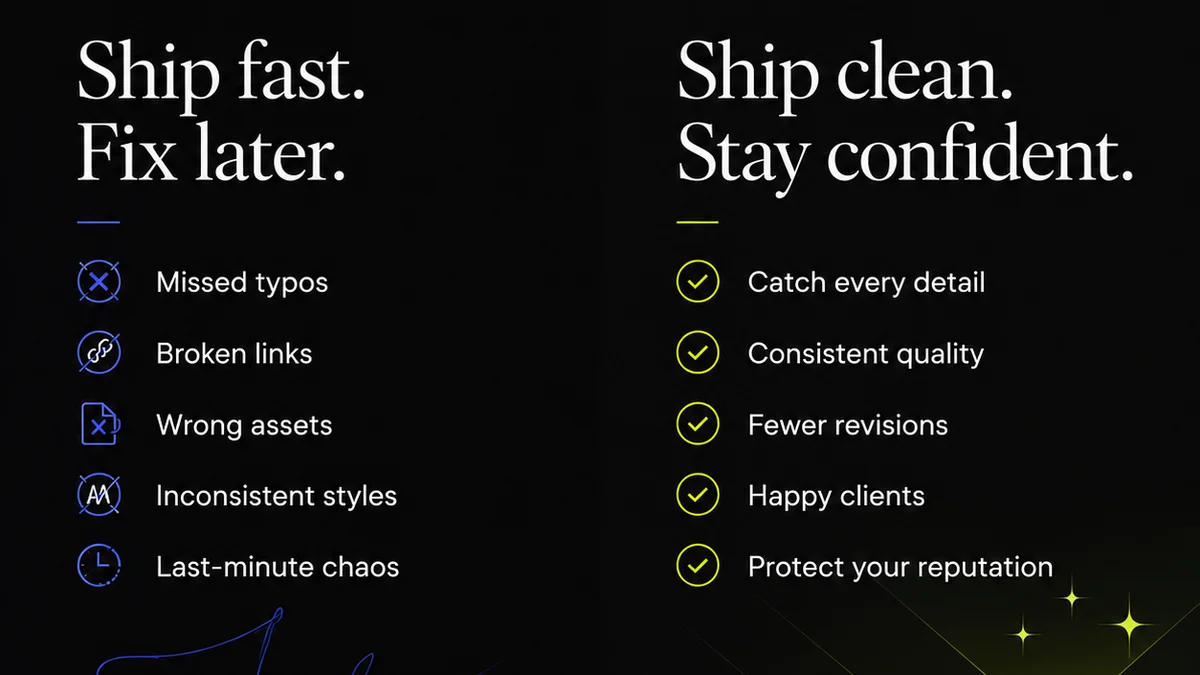
Everyone talks about marketing collaboration. They say it’s about clear communication, shared goals, and mutual respect. None of that is wrong. But it’s incomplete.
The hard truth? Great marketing collaboration isn't about *talking* better. It’s about *working* better, together. It’s about the systems and processes that make teamwork frictionless, especially when you’re juggling client feedback, multiple revisions, and tight deadlines. This is where the real magic happens, or where projects fall apart.
1. Define Your Collaboration Ecosystem
Before you can collaborate effectively, you need to understand what
Frequently asked questions
What is a marketing collaboration workflow?
A marketing collaboration workflow is a structured process that outlines how team members and stakeholders work together on marketing projects. It defines communication channels, feedback loops, revision processes, and approval stages to ensure smooth project execution and delivery.
Why is a defined workflow important for marketing collaboration?
A defined workflow reduces ambiguity, minimizes errors, speeds up project timelines, and ensures everyone is on the same page. It provides a clear roadmap, making it easier to manage feedback, track revisions, and gain approvals efficiently.
How can technology improve marketing collaboration?
Technology, like centralized feedback and review platforms, can significantly enhance collaboration by streamlining communication, providing a single source of truth for feedback and revisions, automating approval processes, and improving project visibility for all stakeholders.
What are the biggest challenges in marketing collaboration?
Common challenges include scattered feedback across multiple channels (email, chat, documents), lack of clear version control, delayed approvals, miscommunication, and difficulty tracking the history of changes and decisions. These issues can lead to project delays and decreased quality.