Everyone thinks marketing collateral is about the final print run or the digital asset delivered. That’s the easy part to price.
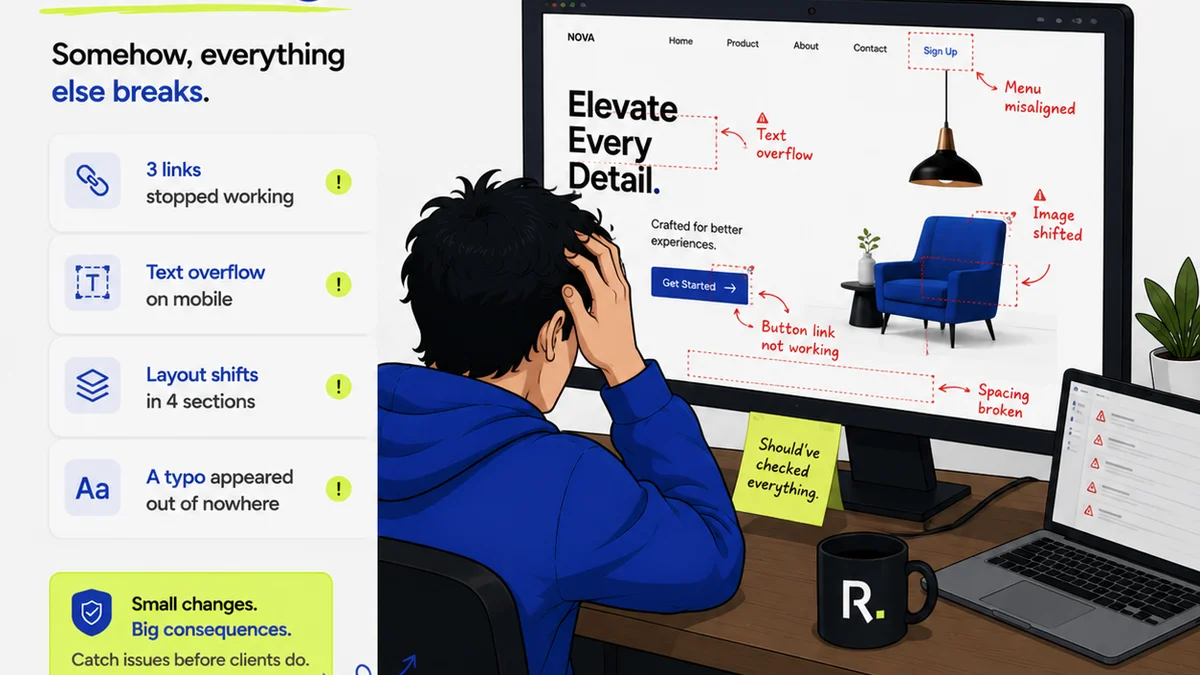
But the real cost? It’s buried in the process. It’s the hours spent chasing feedback, the endless revisions, and the sheer friction of getting a piece of collateral from idea to approved-and-ready-to-go.
1. The Hidden Cost of 'Cheap' Design
The temptation is to go for the lowest bid. A local printer offers flyers for pennies. A freelance designer charges a flat rate. This feels like smart business.
It’s not.
Low cost often means low quality, or worse, a process riddled with inefficiencies that bleed money and time. Think about the last time you approved a menu, a brochure, or a social media graphic.
What was the actual timeline? How many people touched it? How many rounds of feedback did it take?
The upfront price is a fraction of the total investment.
The True Cost Equation
- Design Fees: The obvious line item.
- Revision Cycles: Each round eats hours.
- Internal Time: Your team’s time spent reviewing, commenting, and managing.
- External Agency/Freelancer Time: Their hours spent incorporating feedback.
- Project Delays: Missed launch dates, lost opportunities.
- Brand Inconsistency: Poorly managed collateral damages brand perception.
2. Understanding Collateral Types and Their Nuances
Marketing collateral isn’t monolithic. Different types have different cost drivers. For a hospitality business, this is critical.
Print Collateral
This is where many assumptions about cost go wrong. It's not just the paper and ink.
- Menus: Frequent updates, durability concerns (lamination?), design complexity (specialty fonts, imagery).
- Brochures/Flyers: Distribution method impacts design (direct mail size, handout size), paper stock, finishing (folding, stapling).
- Postcards: Mailing lists, postage costs, variable data printing.
- Signage: Material durability, weather resistance, installation complexity, size.
- Event Materials: Banners, table tents, programs – often short-run, high-impact needs.
Digital Collateral
Often perceived as cheaper, but can have hidden costs.
- Social Media Graphics: Multiple sizes for different platforms, animated versions, video editing.
- Website Banners/Graphics: Image optimization, file format requirements, CMS integration.
- Email Templates: Coding for responsiveness across email clients, dynamic content.
- Digital Menus/Specials Boards: Software integration, content management systems, design for screen display.
- Advertisements: Specific platform requirements (Google Ads, Facebook Ads), A/B testing variations.
The Workflow Tax
Regardless of format, the workflow adds significant cost. This is the operational friction.
Think about managing feedback on a PDF proof. Who has the latest version? Are comments clear? Is everything tracked?
This is where the
Frequently asked questions
What are the main cost drivers for hospitality marketing collateral?
Key cost drivers include design fees, the number of revision cycles, internal and external team time spent on feedback and revisions, project delays, and potential brand inconsistency due to poor management. The format (print vs. digital) and specific collateral type (menu vs. social graphic) also influence costs.
How does the revision process impact the overall cost of marketing collateral?
Each revision cycle adds significant cost by increasing design time, internal review time, and project duration. Poorly managed feedback, unclear comments, and multiple stakeholders can lead to numerous, often inefficient, rounds of revisions, drastically inflating the final expense.
Is digital marketing collateral always cheaper than print?
Not necessarily. While digital collateral avoids printing and distribution costs, it can incur expenses related to software integration, content management systems, specialized design for screen display, animation, video editing, and platform-specific optimization. The workflow management for digital assets also requires time and resources.
How can hospitality businesses reduce the cost of marketing collateral?
Reducing costs involves streamlining the feedback and approval process with a centralized system, establishing clear brand guidelines upfront, minimizing revision rounds through precise initial briefs, and choosing reliable design partners who understand efficient workflows. Investing in a platform that manages versions and feedback can save significant time and money.