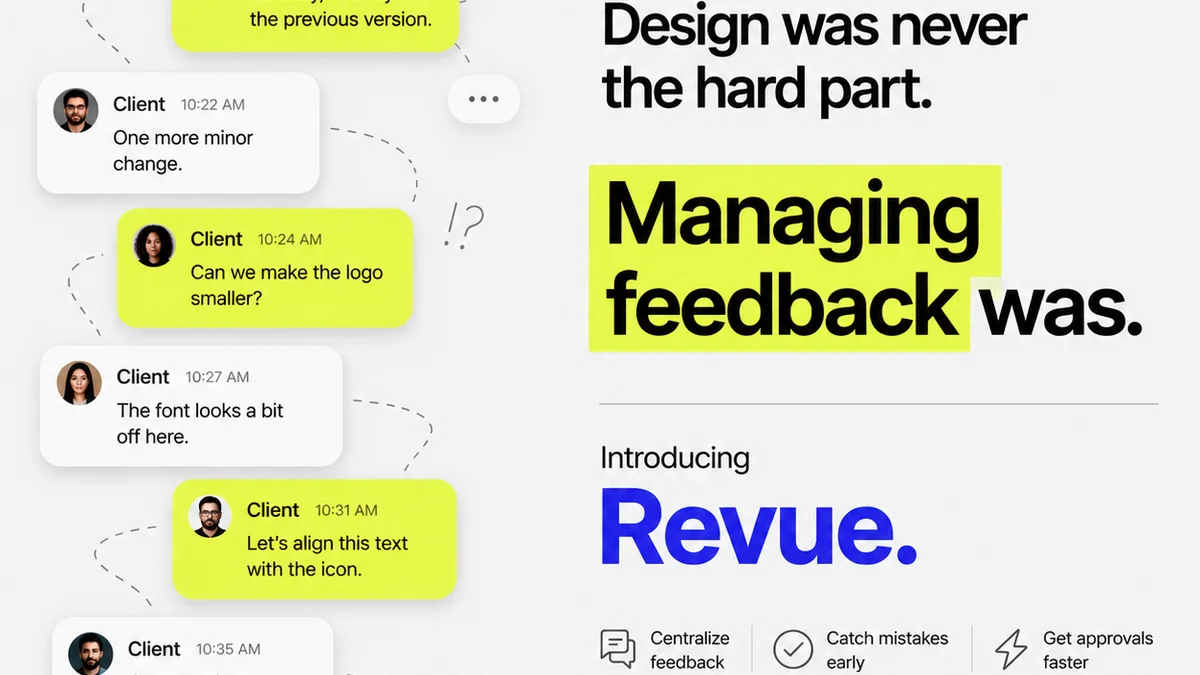
Everyone knows you need revision history. It’s the bread and butter of creative work, right? A way to track changes, see what’s been approved, and generally avoid “who changed that?” arguments.
None of that is wrong. But it’s incomplete.
The hard truth? Most teams treat revision history like a dusty old filing cabinet in the basement. It’s there if you need it, but nobody really wants to go digging. This passive approach misses the point entirely. Revision history isn't just a record; it's a powerful tool for improving your creative process, client communication, and overall project efficiency.
1. The Illusion of Control: Why Your Current System Isn't Enough
Think about your current revision tracking. Is it a chaotic chain of emails? A shared folder with vaguely named files? Maybe a spreadsheet that’s always out of date?
This is where most agencies stumble. They assume that *having* a history is the same as *understanding* it.
The reality is far messier. Without a structured approach, revision history becomes a burden, not a benefit. It’s hard to find what you need, impossible to get a clear overview, and prone to human error. This lack of clarity breeds confusion and can lead to significant project delays and client frustration.
The Symptoms of Poor Revision Tracking
- Endless
Frequently asked questions
What is revision history in creative projects?
Revision history in creative projects is a chronological record of all changes made to a piece of work, including who made the change, when it was made, and often, the specific details or rationale behind it. It serves as an audit trail for the project's evolution.
Why is clear revision history important for agencies?
Clear revision history is crucial for agencies to maintain accountability, track project scope, resolve disputes, understand client preferences over time, and ensure final deliverables meet all requirements. It prevents 'he said, she said' scenarios and streamlines approvals.
How can I improve my team's revision tracking?
Improve revision tracking by implementing a centralized feedback and version control system. Standardize naming conventions, use clear annotation tools, conduct regular review meetings, and train your team on the importance and process of meticulous record-keeping.
Can revision history help with scope creep?
Absolutely. By clearly documenting all requested changes and approvals within the revision history, agencies can easily identify when requests go beyond the original project scope. This provides a factual basis for discussing scope adjustments and potential additional costs with the client.