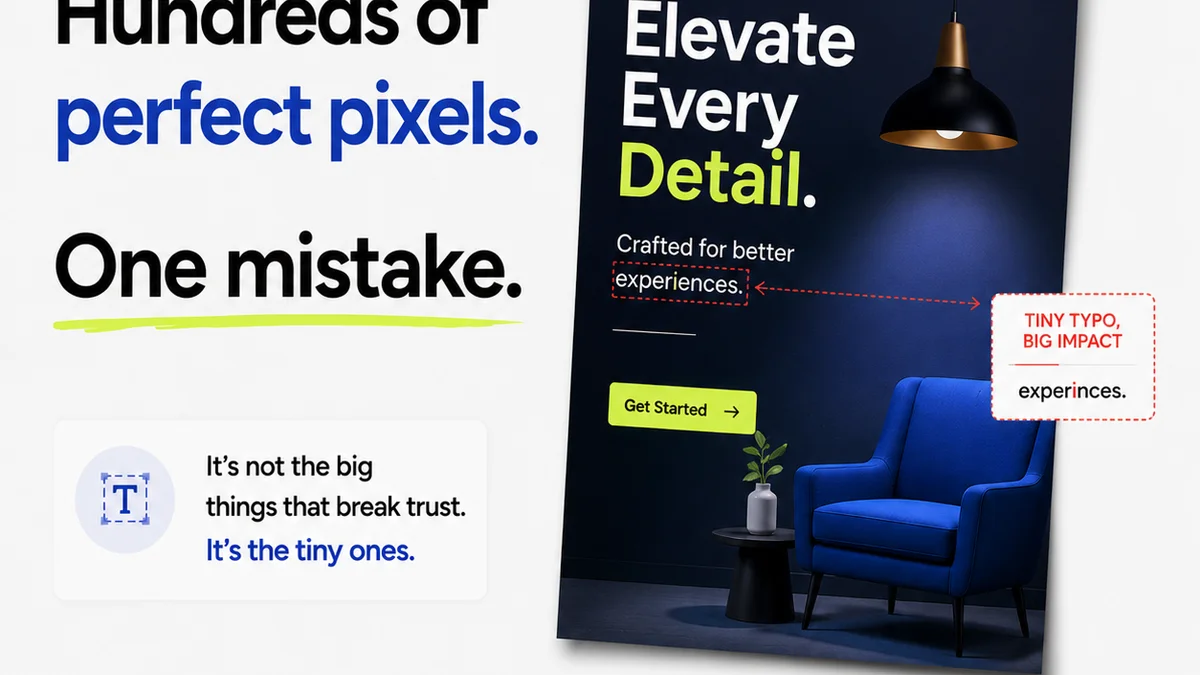
Everyone thinks Quality Assurance (QA) is about catching mistakes right before delivery. That it’s a gate, a final check, a box to tick. None of that is wrong. But it’s incomplete.
The hard truth? Packaging QA isn't a separate phase; it’s an embedded process. It’s the difference between a frantic last-minute scramble and a confident, predictable delivery.
1. Redefine 'Quality' in Creative Packaging
What does quality even mean for creative assets? It’s more than just pixel-perfect alignment or typo-free copy. It’s about strategic fit.
Alignment with Objectives
Does the asset meet the brief? Does it serve the campaign goals? This isn’t about subjective taste; it’s about measurable outcomes.
Brand Consistency
Is the brand voice, tone, and visual identity consistently applied across all touchpoints? This builds trust and recognition.
Technical Specifications
Does it meet the delivery requirements? File format, resolution, color space, naming conventions? These are non-negotiable.
User Experience
For digital assets, is it intuitive and accessible? Does it function as intended across devices and platforms?
Treating QA as just technical checks misses the strategic layer entirely.
2. Integrate QA Throughout the Workflow
The biggest mistake agencies make is saving QA for the very end. This creates bottlenecks and increases the risk of late-stage rework.
Pre-Production Briefing
QA starts with a crystal-clear brief. Ensure all stakeholders understand the objectives, target audience, and technical requirements upfront. Ambiguity here is a QA failure waiting to happen.
Designer Self-QA
Empower designers to conduct initial quality checks before submitting work for review. Provide them with a checklist or guidelines aligned with project requirements.
Internal Creative Review
Before client eyes ever see it, have a peer or lead designer review the work. This catch-all internal review catches obvious errors and ensures strategic alignment.
Staged Client Approvals
Break down the review process. Instead of one massive final review, aim for staged approvals at key milestones. This makes feedback more manageable and targeted.
Dedicated QA Pass
Only after internal checks and staged approvals should a dedicated QA pass occur. This final pass focuses on catching any remaining issues, ensuring technical compliance, and confirming all feedback has been implemented correctly.
This layered approach minimizes surprises and ensures quality is built-in, not bolted on.
3. Standardize Your QA Process
Ad-hoc QA is a recipe for inconsistency. You need a repeatable process.
Develop a Master QA Checklist
Create a comprehensive checklist tailored to different asset types (e.g., web banners, social posts, print ads, videos). Include:
- Brand guideline adherence (logo usage, color palette, typography)
- Copy accuracy (typos, grammar, factual correctness, call-to-action clarity)
- Visual hierarchy and composition
- Technical specs (file format, dimensions, resolution, bleed, safety margins)
- Accessibility standards (color contrast, alt text for images)
- Functionality (for interactive elements or videos)
- Consistency across asset variations
Define Roles and Responsibilities
Who is responsible for what at each stage? Clarify who conducts self-QA, who performs internal reviews, who manages client feedback, and who signs off on the final QA pass.
Establish Communication Protocols
How will feedback be given and tracked? Ensure feedback is constructive, specific, and actionable. Avoid vague comments like “make it pop.”
Utilize Templates and Tools
Standardize file naming conventions, folder structures, and reporting formats. Use tools that facilitate clear annotation and version control.
A standardized process makes QA predictable and scalable.
4. Equip Your Team for Success
Your team needs the right tools and training to perform effective QA.
Training on Brand Guidelines and Technical Specs
Regularly update and train your team on brand standards and evolving technical requirements. What was acceptable last year might not be today.
Access to Essential Software and Tools
Ensure your team has access to necessary software for checking files, color accuracy, and even basic code validation for web assets. Tools for version comparison are also critical.
Clear Feedback Mechanisms
Provide clear guidelines on how to give and receive feedback. This includes using annotation tools effectively and responding to feedback professionally.
Time Allocation
Don't treat QA as an afterthought that steals time from
Frequently asked questions
What is the difference between QA and creative review?
Creative review focuses on the strategic and aesthetic aspects of an asset—does it meet the brief and resonate with the audience? QA focuses on technical correctness, brand consistency, and adherence to specifications, ensuring the asset functions as intended and meets all requirements before delivery.
How can I make QA less of a bottleneck?
Integrate QA throughout the workflow instead of saving it for the end. Implement staged approvals, empower designers with self-QA checklists, and conduct internal reviews before client feedback. This distributed approach prevents last-minute rushes.
What are the key components of a good QA checklist?
A comprehensive checklist should cover brand guideline adherence, copy accuracy, visual hierarchy, technical specifications (file formats, dimensions), accessibility standards, functionality for digital assets, and consistency across variations. Tailor it to the specific asset type.
How does Revue help with packaging QA?
Revue centralizes all feedback and revisions in one place, providing a clear audit trail. This visibility ensures all QA notes are addressed, reduces confusion from scattered email threads, and streamlines the approval process, making it easier to track that all quality checks are completed.