Everyone agrees packaging quality assurance is important. It’s the last line of defense before a product hits the market. A bad batch can ruin brand reputation, cost millions in recalls, and create a logistical nightmare.
So, agencies and design teams diligently build QA checklists. They cover artwork, color accuracy, die lines, and barcodes. None of that is wrong. But it’s incomplete.
The hard truth? A static checklist won't catch the nuanced, systemic issues that plague packaging workflows. True QA isn't about ticking boxes; it's about building a process that anticipates and prevents errors.
1. The Illusion of 'Done'
Many teams operate under the assumption that once a design is approved, the hard part is over. This is where packaging QA often fails. The 'design' phase might be signed off, but the technical execution is a minefield.
Consider the journey from a flat PDF to a physical carton or label:
- Design files need to be translated into production-ready artwork.
- Technical specs (die lines, material, coatings) must be integrated accurately.
- Multiple vendors might be involved, each with their own interpretation and capabilities.
- Brand guidelines need to be applied consistently across different packaging formats.
- Regulatory information (ingredients, warnings, country of origin) must be present and correct.
Each step is a potential point of failure. Assuming 'design complete' means 'QA complete' is a dangerous oversight.
2. Bottlenecks Are Quality Killers
Where do most packaging errors slip through? Often, it’s in the handoffs and the lack of clear ownership. The process gets fragmented.
Think about it:
- Who’s truly responsible for verifying the printer’s color proofs against the brand’s approved digital files?
- When a vendor flags a structural issue, who makes the final call on the design tweak?
- How is feedback from the legal team on compliance text incorporated without creating new artwork errors?
These aren't just communication problems; they are process breakdowns. Without a central point of truth and clear accountability, crucial details get lost. This is especially true when multiple stakeholders are involved, from designers and production managers to legal and marketing.
The Cost of Siloed Information
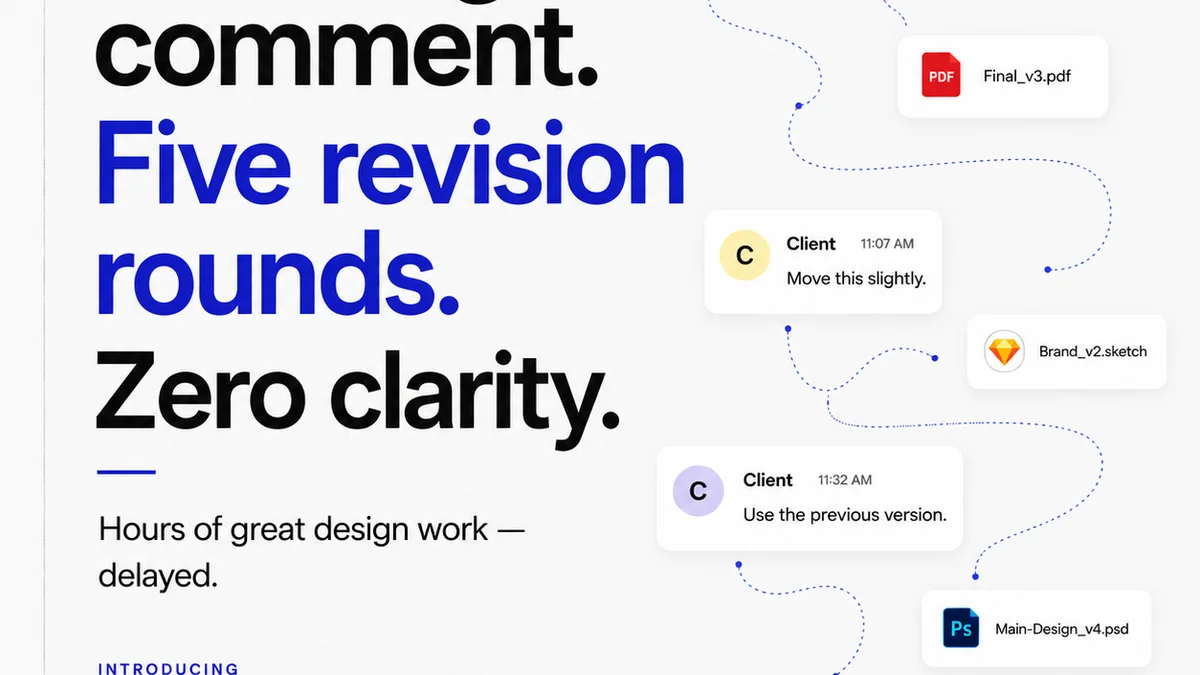
When information lives in email threads, scattered Slack channels, or individual hard drives, consistency erodes. A small change made in one place might not be reflected everywhere else. This leads to:
- Inconsistent color reproduction across different SKUs.
- Incorrect dimensions causing fit issues.
- Outdated compliance information on shelf.
- Reprint costs due to overlooked details.
This fragmentation is the enemy of effective packaging quality assurance.
3. Beyond Visuals: The Technical Audit
Most QA efforts focus heavily on the visual aspect – is the logo right? Is the typography legible? Is the imagery correct? These are critical, but insufficient.
A comprehensive packaging QA process must include a deep technical audit. This means verifying:
- Die Lines: Are they accurate for the intended production method? Do they account for fold lines, glue tabs, and bleeds correctly?
- Material Specifications: Does the chosen material (cardboard, plastic, foil) meet the product’s protection needs and sustainability goals?
- Color Standards: Are spot colors correctly specified? Is the CMYK build appropriate for the printing process (e.g., offset, flexo)? Are Pantone references accurate and consistent?
- Barcodes and QR Codes: Are they scannable? Do they contain the correct data? Are they placed away from critical folds or edges?
- Regulatory Compliance: Is all required text present (ingredients, nutritional info, warnings, manufacturer details, country of origin)? Is it legible and in the correct language(s)?
- Finishing Effects: Are varnishes, foils, embossing, or debossing specified correctly and placed appropriately?
This level of detail requires specialized knowledge and tools. It’s not something a junior designer can typically handle alone.
4. The Human Element: Training and Collaboration
Technology and checklists are only part of the solution. Your team’s expertise and collaboration are paramount.
Effective packaging QA relies on:
- Cross-functional Training: Ensure designers understand production limitations and printers understand brand requirements.
- Clear Communication Protocols: Establish how feedback is given, received, and actioned.
- Dedicated QA Roles (or Responsibilities): Even in smaller teams, someone needs to own the QA process and have the authority to halt production if necessary.
- Post-Mortem Analysis: When errors *do* occur, conduct a thorough review to understand the root cause and update the process.
Culture matters. A culture that prioritizes accuracy and empowers team members to raise concerns is a powerful QA tool.
Where Revue Fits In
Managing the complexities of packaging design and production requires a centralized system. This is where a tool like Revue becomes invaluable for creative agencies and in-house teams.
Revue provides a single source of truth for all creative assets and feedback. Instead of relying on scattered email chains and disparate documents, you can:
- Centralize Feedback: All client and internal stakeholder comments on artwork, proofs, and production files live in one place, linked directly to the asset.
- Track Revisions: See the entire history of changes, who made them, and why. This transparency is crucial for understanding how a final file evolved and identifying potential issues introduced during revisions.
- Streamline Approvals: Formal sign-offs are recorded, providing clear audit trails. This helps prevent disputes and ensures everyone is aligned before production.
- Manage Quality Checks: Use Revue to manage the technical review process, ensuring all necessary checks (color, die lines, compliance text) are performed and documented before final release.
By bringing visibility and control to the feedback and approval loop, Revue helps mitigate the risks associated with fragmented communication and siloed information, directly supporting a more robust packaging QA process.
Final Thought
Is your packaging QA process truly built to catch errors, or just to check boxes? The difference could be costing you dearly.
Frequently asked questions
What are the most common packaging QA mistakes?
Common mistakes include overlooking technical specifications like die lines and material properties, insufficient legal and regulatory compliance checks, inaccurate color reproduction due to miscommunication or incorrect profiles, and issues with barcode scannability. Often, these stem from fragmented communication and a lack of centralized information.
How can I ensure color accuracy in packaging printing?
Ensure accurate color by using standardized color profiles (like CMYK or specific Pantone references), communicating clearly with your printer about the intended output method (offset, flexo, digital), providing physical color standards or proofs when possible, and verifying color proofs against approved digital files before mass production.
What is the role of a die line in packaging QA?
A die line is a blueprint for the packaging's physical shape, showing cut lines, fold lines, and glue tabs. In QA, it's crucial to verify that the die line is accurate for the intended material and folding method, that it correctly incorporates artwork bleeds, and that it doesn't compromise critical design elements or structural integrity.
How can agencies manage packaging QA with multiple vendors?
Centralize all project communication and asset versions within a platform like Revue. Establish clear, documented specifications for each vendor. Conduct rigorous technical reviews of vendor proofs and samples against these specs. Maintain a single source of truth for all approvals and feedback to avoid misinterpretations.