You think a good presentation is about pretty slides and a confident speaker. None of that is wrong. But it’s incomplete.
The hard truth? A truly effective presentation, especially in the fast-paced hospitality sector, is built on a foundation of crystal-clear communication, strategic storytelling, and flawless execution. It’s not just about looking good; it’s about being understood and driving decisions.
1. Define Your Objective First
Before you even think about opening design software, ask yourself: What is the single, most important thing this presentation needs to achieve?
Is it to secure budget for a new campaign? To brief a new hotel on marketing strategy? To get buy-in for a seasonal promotion? Be brutally specific.
The 'One Thing' Test
If your audience could only remember one takeaway, what would it be? If you can't articulate this clearly, your presentation is already weaker.
This objective dictates everything that follows: the content, the tone, the visuals, and the call to action.
2. Know Your Audience Inside Out
Who are you talking to? What are their priorities, pain points, and level of understanding regarding your topic?
A presentation for a hotel owner is vastly different from one for a digital marketing agency partner or a front-desk staff training session.
Tailoring is Non-Negotiable
- Hotel Owners/GMs: Focus on ROI, occupancy rates, guest satisfaction scores, and competitive advantage. Keep it high-level and business-focused.
- Marketing Agency Partners: Dive into campaign specifics, KPIs, performance data, and strategic rationale. They need depth.
- Internal Teams (Sales, Ops): Emphasize operational impact, guest experience enhancements, and clear action steps. Make it actionable.
- Potential Investors: Highlight market opportunity, competitive landscape, financial projections, and team expertise. Build confidence.
Generic presentations fall flat because they try to be everything to everyone. They end up being nothing to anyone.
3. Structure for Clarity, Not Clutter
A rambling presentation confuses. A structured one guides.
Think of your presentation as a story with a beginning, middle, and end.
The Classic Flow
- Introduction: Hook, objective, agenda. State what you're going to say.
- Body: Key points, supporting data, visuals, case studies. Say it.
- Conclusion: Summary of key takeaways, clear call to action. State what you've said.
Use clear headings and subheadings. Each slide should ideally focus on a single idea.
Avoid dense blocks of text. People don't read presentations; they listen to the presenter. Slides are visual aids, not teleprompters.
4. Visual Design: Less is More
Presentation design for hospitality marketing isn't just about aesthetics; it's about reinforcing your brand and message.
Think clean, professional, and on-brand. Avoid cluttered layouts and distracting animations.
Key Visual Elements
- Branding: Consistent use of logos, brand colors, and fonts. Adhere to your brand guidelines.
- Imagery: High-quality, relevant photography or videography that evokes the desired emotion or showcases the property/experience. Avoid cheesy stock photos.
- Data Visualization: Charts and graphs should be simple, clear, and easy to interpret at a glance. Label axes clearly. Use color purposefully.
- Typography: Legible fonts. Use hierarchy (different sizes, weights) to guide the eye. Keep line spacing generous.
A visually appealing presentation builds credibility. A messy one erodes it.
5. Content is King (Still)
Even the most beautiful slides are useless if the content is weak.
Every word, every data point, every image should serve the primary objective.
Content Checklist
- Conciseness: Is every word necessary? Can any jargon be replaced with plain English?
- Accuracy: Are all facts, figures, and claims verifiable?
- Relevance: Does this point directly support the objective and resonate with the audience?
- Storytelling: Can you weave a narrative? Use anecdotes or case studies to illustrate points?
- Call to Action (CTA): Is it clear what you want the audience to do next? Is it easy for them to do it?
For hospitality, this often means focusing on guest experience, revenue generation, operational efficiency, and competitive positioning.
6. Rehearse, Refine, Repeat
A polished delivery separates amateurs from professionals.
Don't just read your slides. Know your material cold.
Practice Makes Perfect
- Timing: Does the presentation fit the allotted time? Cut ruthlessly if needed.
- Flow: Do the transitions between slides feel natural?
- Key Messages: Are you hitting your main points clearly and confidently?
- Q&A Prep: Anticipate potential questions and prepare concise answers.
- Tech Check: Ensure all links, videos, and audio work flawlessly. Test the projector, remote, and screen sharing.
Practice in front of colleagues, record yourself, or even just talk through it alone. Identify weak spots and strengthen them.
Where Revue Fits In
Managing the feedback and approval process for presentation assets can be chaotic. Multiple stakeholders, endless email chains, and version control nightmares are common.
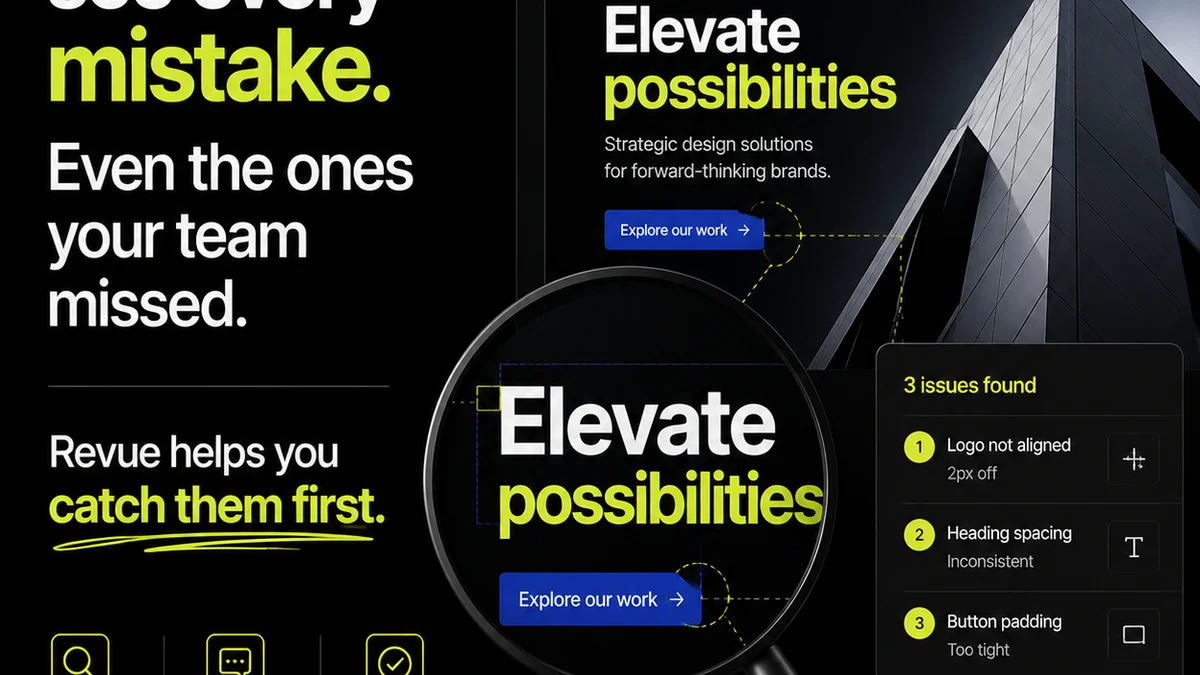
Revue offers a centralized platform to streamline this entire workflow.
- Centralized Feedback: Upload your presentation drafts (PDFs, Keynote files, etc.) and gather all stakeholder feedback in one place. No more digging through emails.
- Revision Tracking: See exactly what changes were made, by whom, and when. Maintain a clear audit trail for every version.
- Clear Approvals: Get explicit sign-off from key stakeholders directly within the platform, ensuring everyone is aligned before the final delivery.
- Quality Assurance: Use standardized checklists and review stages to ensure all creative assets, including presentation slides, meet brand and campaign standards.
This ensures your hospitality marketing presentations are not only strategically sound and visually appealing but also delivered on time and without last-minute hiccups.
Final Thought
Are your marketing presentations truly driving business outcomes, or are they just pretty slideshows? The difference lies in rigorous planning, audience-centric design, and a commitment to clarity over complexity.
What’s one change you can make to your next presentation process to ensure it achieves its objective?
Frequently asked questions
What is the most important first step in creating a marketing presentation?
Clearly define the single, most important objective of your presentation before you start designing or writing content. What do you absolutely need the audience to understand or do as a result?
How can I make my hospitality marketing presentations more engaging?
Focus on high-quality, relevant imagery that evokes emotion, use clear and simple data visualizations, and ensure your content tells a compelling story tailored to your specific audience's needs and priorities.
What are the key elements of effective presentation design for hospitality?
Key elements include consistent branding (logos, colors, fonts), high-quality visuals, legible typography, and clean layouts. Avoid clutter and distracting elements; the design should support the message, not overpower it.
How does a tool like Revue help with presentation creation?
Revue centralizes feedback and approvals for presentation drafts, tracks revisions, and ensures quality checks are performed consistently. This streamlines the workflow, reduces confusion from scattered communication, and leads to a more polished final product.