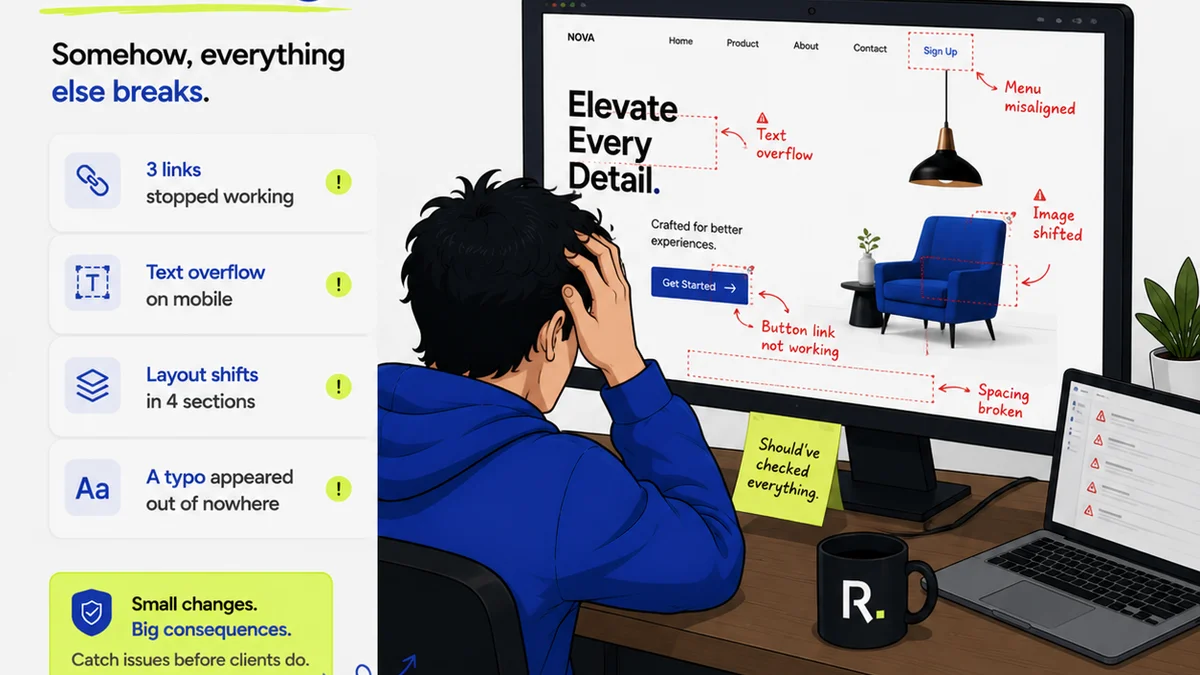
Everyone knows that good presentation design matters in hospitality. A slick lobby, well-designed menus, and appealing room aesthetics are table stakes. But this view is too narrow.
It stops at the surface level, mistaking aesthetics for strategy. The real power of presentation design in hospitality lies not just in how a guest experiences a physical space, but how a hotel or restaurant presents itself to the world, to potential clients, and to its own team. This is where true business growth is unlocked.
1. The First Impression Is Digital
Think about how guests discover hotels and restaurants today. It’s rarely through a walk-by. It’s online. Before anyone ever steps foot in your establishment, they’ve formed an opinion based on your digital presence.
This includes your website, social media, online travel agencies (OTAs), and even third-party review sites. Each of these platforms is a presentation of your brand. A disjointed, poorly designed, or outdated digital front door is a direct barrier to entry.
Website as a Digital Lobby
Your website is your most critical digital asset. It’s your 24/7 salesperson. If your website is cluttered, slow, or doesn’t clearly communicate your value proposition, potential guests will leave. They’ll go to a competitor whose site feels more professional and easier to navigate.
High-quality photography and videography are non-negotiable. But it’s the *design* that ties it all together. Layout, typography, color palette, and user experience (UX) all contribute to how trustworthy and appealing your brand appears.
Social Media Storytelling
Social media platforms are visual storytelling mediums. Effective presentation design here means more than just posting pretty pictures. It’s about crafting a consistent visual narrative that reflects your brand’s personality and unique selling points.
This involves:
- Consistent branding across all posts.
- Visually appealing graphics and videos that stand out.
- Clear, concise messaging that complements the visuals.
- A strategic use of color and typography that aligns with your overall brand identity.
Poor social media design screams amateur. Great design builds desire.
2. Internal Presentations: Aligning Your Team
It’s not just about external perception. How you present information internally can dramatically impact efficiency and morale, directly affecting the guest experience.
Consider these scenarios:
- Daily briefings for staff.
- Training materials for new hires.
- Proposals for new catering events or corporate bookings.
- Performance reviews and strategic planning documents.
If these internal documents are sloppy, inconsistent, or hard to understand, it breeds confusion and inefficiency. This translates directly to service lapses and missed opportunities.
Standardizing Operations
Well-designed templates for operational documents ensure consistency. This is crucial for brand standards, especially for multi-location hospitality groups.
Imagine a new employee going through onboarding. If the training manuals are clear, well-organized, and visually engaging, they’ll absorb information faster and feel more confident. This leads to quicker ramp-up times and better service delivery from day one.
Sales and Business Development
When your sales team pitches to potential clients (e.g., for group bookings, weddings, corporate events), their presentation is critical. A professional, visually compelling proposal or pitch deck can be the deciding factor.
It shows you take their business seriously. It demonstrates attention to detail. It builds confidence in your ability to deliver a high-quality experience. A poorly designed pitch deck can undermine even the best offer.
3. Enhancing the Guest Experience Through Design
Beyond the obvious physical aesthetics, presentation design can subtly enhance the guest journey, making it more seamless and enjoyable.
Think about the touchpoints a guest has with your brand:
- Booking confirmation emails.
- Pre-arrival information packets.
- In-room materials (menus, service directories, Wi-Fi instructions).
- Check-out folios.
- Post-stay follow-up communications.
Each of these is an opportunity to reinforce your brand and provide clear, helpful information. Well-designed digital and print materials reduce friction and improve satisfaction.
Wayfinding and Signage
Effective signage is a form of presentation design. Clear, intuitive wayfinding reduces guest frustration and enhances their sense of comfort and control within your property. This is especially important in large resorts or complex urban hotels.
The design of signage should align with the overall brand aesthetic, providing a cohesive experience. This includes:
- Legibility of fonts.
- Appropriate placement.
- Consistency in style and color.
- Integration with the architectural and interior design.
Poor signage can turn a pleasant stay into a stressful one.
Digital Menus and Ordering
The shift to digital menus and ordering systems offers a prime example. A well-designed QR code menu that is easy to read, navigate, and visually appealing enhances the dining experience. A clunky, text-heavy, or poorly formatted digital menu can be a major turn-off.
This extends to online ordering platforms. The presentation of available items, customization options, and the checkout process directly impacts conversion rates and customer satisfaction.
4. ROI of Presentation Design in Hospitality
Let’s be clear: investing in presentation design isn't an expense; it’s a driver of revenue. The return on investment (ROI) is multifaceted.
Client Acquisition
A strong digital presence and professional sales collateral directly contribute to attracting new customers. Potential guests and clients are more likely to engage with brands that look polished and credible.
This means higher conversion rates from website visits to bookings, and more successful bids for corporate events or group stays.
Customer Retention and Loyalty
A consistently well-presented brand builds trust and reinforces positive experiences. When every touchpoint, from the initial website visit to the in-room service directory, feels polished and professional, it fosters loyalty.
Satisfied guests are repeat guests. They are also more likely to recommend your establishment to others, driving word-of-mouth marketing.
Operational Efficiency
As discussed, clear internal documentation and standardized templates reduce errors, speed up training, and improve communication. This operational efficiency saves time and money, freeing up staff to focus on delivering exceptional guest service.
Reduced errors mean fewer complaints and less need for service recovery, which is costly.
Where Revue Fits In
Managing the presentation of your hospitality brand across all these touchpoints can be complex. Keeping client feedback organized, tracking revisions on marketing collateral, and ensuring consistent quality across all materials requires robust systems.
Revue helps streamline these processes. For agencies working with hospitality clients, it centralizes all client feedback on design assets—whether it’s website mockups, social media graphics, or digital menu designs. This visibility ensures everyone is working from the latest versions and that feedback is actionable.
The platform makes it easy to manage revisions and approvals, providing a clear audit trail. This is invaluable for maintaining brand consistency and ensuring that final deliverables meet both client expectations and internal quality standards.
For in-house creative teams in larger hotel groups or restaurant chains, Revue offers a single source of truth for managing creative projects. It ensures that all marketing and operational materials adhere to brand guidelines and are produced efficiently.
5. The Future Is Visually Driven
The hospitality industry thrives on experience. And in the digital age, that experience begins long before arrival. It starts with how you present yourself.
From the first click on your website to the final details in a guest’s room, every visual element is a communication. It speaks volumes about your brand’s quality, professionalism, and attention to detail.
Ignoring the strategic impact of presentation design is leaving money on the table. It’s allowing competitors with a sharper visual edge to capture market share.
Key Takeaways:
- Your digital presence is your primary storefront.
- Consistent, professional design builds trust and desire.
- Internal design impacts operational efficiency and staff effectiveness.
- Thoughtful design enhances the guest journey at every touchpoint.
- Presentation design is a direct driver of client acquisition and retention.
Final Thought
Is your hospitality brand truly leveraging the power of presentation design, or are you just focusing on pretty pictures? The difference between surface-level aesthetics and strategic visual communication can be the deciding factor in your business’s growth.
Frequently asked questions
What is the primary benefit of good presentation design in hospitality?
The primary benefit is driving business growth by enhancing client acquisition and retention. A strong visual presence builds trust, communicates professionalism, and creates a desirable brand image that attracts and keeps customers.
How does presentation design affect the guest experience?
Presentation design impacts the guest experience through clear and appealing digital touchpoints (website, apps, confirmation emails) and physical elements (signage, menus, in-room materials). Well-designed elements reduce friction, improve clarity, and reinforce the brand's quality and attention to detail.
Can internal presentation design impact a hospitality business?
Yes, internal presentation design significantly impacts operational efficiency and staff effectiveness. Well-designed training materials, operational guides, and internal communications lead to better-trained staff, fewer errors, and improved team alignment, which ultimately benefits the guest experience.
What are key areas for presentation design in hospitality?
Key areas include the digital presence (website, social media, OTAs), sales and marketing collateral (proposals, brochures), internal operational documents (training, guides), guest-facing materials (menus, signage, directories), and communication templates (emails, confirmations).