Everyone talks about the cost of product design. They throw around hourly rates, project estimates, and average salaries. None of that is wrong. But it’s incomplete.
The hard truth is that product design cost isn’t just about paying designers. It’s about the value you get from their work, the efficiency of your process, and the long-term impact on your business. Understanding these deeper drivers is how you truly budget for success.
1. The Hidden Costs Beyond the Invoice
When you see a quote for product design, it often feels like a single number. That number usually covers direct labor: the designer’s time, project management, and maybe some software licenses. But what else is baked in? Or worse, what’s missing?
Scope Creep is a Silent Killer
The most common budget buster isn’t bad design; it’s undefined or shifting scope. Every change, every new feature request mid-project, adds time and therefore cost. It’s not just the designer’s hours; it’s the re-thinking, re-designing, and re-testing.
Communication Breakdowns Drain Resources
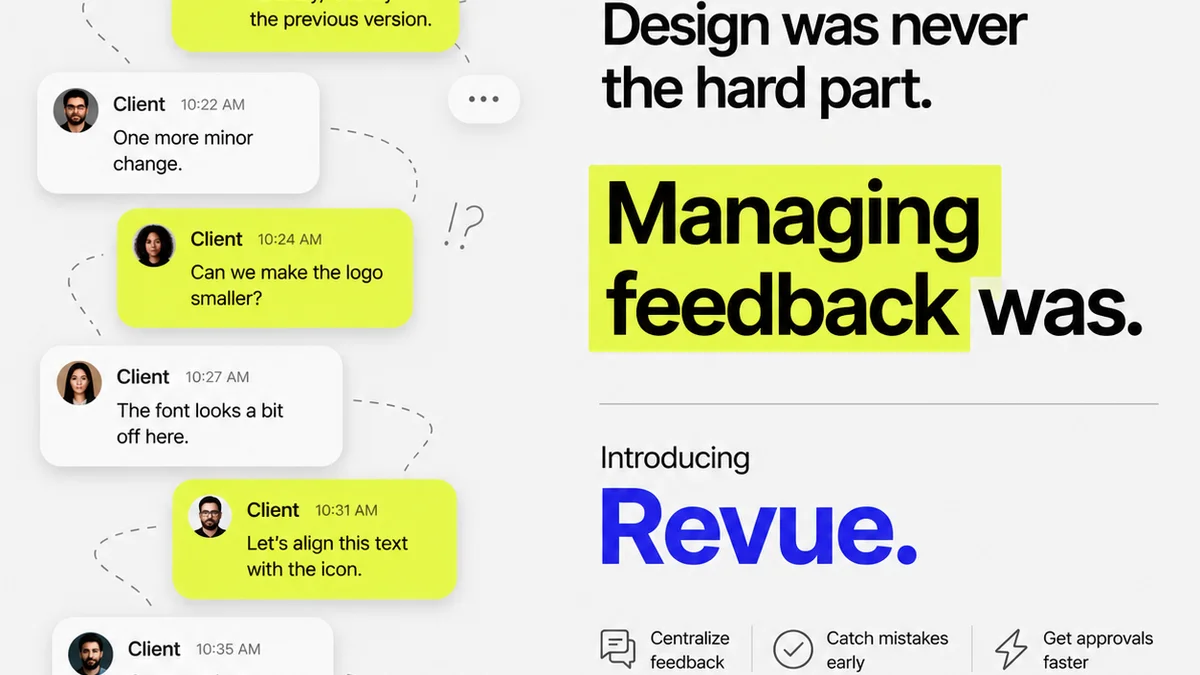
Misunderstandings between your team and the design agency, or even within your own team, lead to wasted effort. Endless email chains, unclear feedback, and missed meetings all add up. This isn't billable time for the designer, but it's a real cost to the project’s timeline and your internal resources.
Lack of Clear Objectives Inflates Prices
If you can't articulate what success looks like for the product or feature, the design process will meander. Designers will explore more options, present more concepts, and spend more time trying to divine your true needs. This exploration phase, while sometimes valuable, can become a significant, unplanned expense without clear goals.
Tooling and Technology Investments
While most agencies have their preferred tool stacks, sometimes specific projects require specialized software or plugins. Are these costs transparently communicated? Are they necessary, or just a nice-to-have that blows up the budget?
2. Factors Influencing Product Design Costs
The price tag on product design services varies wildly. Location, agency size, and the complexity of the project are obvious factors. But dig deeper, and you’ll find other critical elements at play.
Team Composition and Seniority
A senior UX designer commands a higher rate than a junior. A team with a dedicated UX researcher, UI designer, and UX writer will cost more than a generalist. The expertise level directly correlates with the quality and speed of output, but also the price.
Project Complexity and Duration
Designing a simple landing page is vastly different from building an enterprise-level SaaS platform. The number of user flows, screens, states, and interactions directly impacts the time required. Longer projects often have lower *effective* hourly rates due to economies of scale, but the total cost is higher.
Research and Discovery Depth
Are you asking for a fresh design based on market research and user interviews, or are you iterating on an existing product with known user behavior? The former requires significant upfront research, which is a major cost component.
Deliverables and Outputs
What do you actually receive? High-fidelity interactive prototypes? A comprehensive design system? Developer handoff documentation? Each adds layers of detail and time. A full design system, for example, is a significant undertaking on its own.
Revisions and Iterations
How many rounds of revisions are included? What’s the process for requesting them? Unlimited revisions sound great but can be a black hole for budget if not managed. Clear feedback loops are essential.
3. Understanding Different Pricing Models
Agencies and freelancers use various methods to charge for their services. Each has pros and cons that affect your budget and predictability.
Hourly Rates
Pros: Flexible; you pay for exactly what you use. Good for small, undefined tasks or ongoing support.
Cons: Unpredictable total cost; requires significant trust and monitoring. Can incentivize slow work if not managed.
Fixed-Price Projects
Pros: Budget certainty; clear scope and deliverables upfront.
Cons: Less flexibility for changes; requires a very well-defined scope to avoid disputes or scope creep. Agencies often build in a buffer, potentially increasing the base cost.
Retainers
Pros: Predictable monthly cost; ensures dedicated resources; good for ongoing product development or support.
Cons: May overpay if work fluctuates; requires clear agreement on scope and hours included.
Value-Based Pricing
Pros: Aligns cost with business outcomes; can be highly cost-effective if the value delivered is significant.
Cons: Difficult to define and agree upon value upfront; requires strong partnership and trust.
4. Budgeting for Product Design: A Practical Approach
Stop thinking about design cost as a line item. Start thinking about it as an investment in your product’s success. Here’s how to approach it strategically.
Define Your Goals Clearly
Before you even talk to a designer, know what you want to achieve. What problem are you solving? Who are you solving it for? What does success look like (KPIs)? Clear objectives streamline the design process and prevent costly detours.
Prioritize Ruthlessly
You likely can’t afford *everything* in the first phase. Work with your design partner to identify the Minimum Viable Product (MVP) or the core user journey. Focus your budget on getting the essential elements right.
Understand the Design Process
A good agency or designer will walk you through their process: discovery, research, ideation, wireframing, prototyping, UI design, testing, and handoff. Understanding each stage helps you appreciate the time and effort involved and budget accordingly.
Ask Specific Questions About Scope
When getting quotes, don’t just ask for a total price. Ask:
- What is explicitly included?
- What is explicitly excluded?
- How are scope changes handled and priced?
- How many rounds of revisions are included?
- What are the deliverables at each stage?
- What is the estimated timeline?
Factor in Internal Resources
Your team’s time spent in meetings, providing feedback, and making decisions is also a cost. Ensure your internal team is aligned and has the bandwidth to participate effectively.
5. Where Revue Fits In
Managing product design effectively isn't just about the initial creation; it's about the ongoing lifecycle. This is where tools like Revue become indispensable for controlling costs and maximizing value.
Centralized Feedback
Endless email threads and scattered Slack messages lead to missed feedback and misinterpretations. Revue centralizes all client and stakeholder comments directly on the design assets. This clarity saves significant time and reduces the cost associated with chasing down feedback or re-doing work.
Streamlined Revisions and Approvals
Tracking changes and getting formal sign-offs can be a nightmare. Revue provides a clear audit trail of revisions and approvals. This visibility ensures everyone is working from the latest version and that approvals are documented, preventing costly disputes or rework due to version confusion.
Quality Assurance Checks
Before a design goes to development, or even before presenting to a client, you need to ensure it meets requirements and standards. Revue allows teams to conduct internal QA checks, flag issues, and ensure designs are production-ready. Catching errors early is far cheaper than fixing them in code.
6. Final Thought
The true cost of product design is inextricably linked to the quality of your process and the clarity of your vision. Investing in a well-defined strategy, clear communication, and efficient workflow tools isn't just about saving money; it's about building better products that resonate with users and achieve business objectives.
Are you budgeting for design, or are you budgeting for product success?
Frequently asked questions
What is the average cost of product design in the US?
Average costs vary significantly based on project scope, agency location, team experience, and deliverables. While hourly rates can range from $75 to $250+, total project costs for a new product could range from $20,000 for a simple app to $200,000+ for a complex platform. It's more crucial to understand the factors influencing cost than to rely on averages.
How can I reduce product design costs?
Reduce costs by clearly defining project goals and scope upfront, prioritizing features for an MVP, providing concise and consolidated feedback, and ensuring internal alignment. Utilizing efficient workflow tools like Revue for feedback and approvals also significantly cuts down on time and rework.
What's the difference between UX and UI design costs?
UX (User Experience) design typically involves research, user flows, wireframing, and prototyping, often requiring more strategic thinking and user empathy. UI (User Interface) design focuses on the visual aesthetics, layout, and interactivity of the interface. Both are crucial, and costs depend on the depth of each discipline required for your project. Often, they are bundled or performed by specialists.
How does the agency's location affect product design costs?
Agencies in major tech hubs or cities with a high cost of living (e.g., San Francisco, New York) generally have higher overhead and thus higher rates than agencies in smaller cities or those with remote teams. However, location alone doesn't guarantee quality; focus on the agency's portfolio, process, and client testimonials.