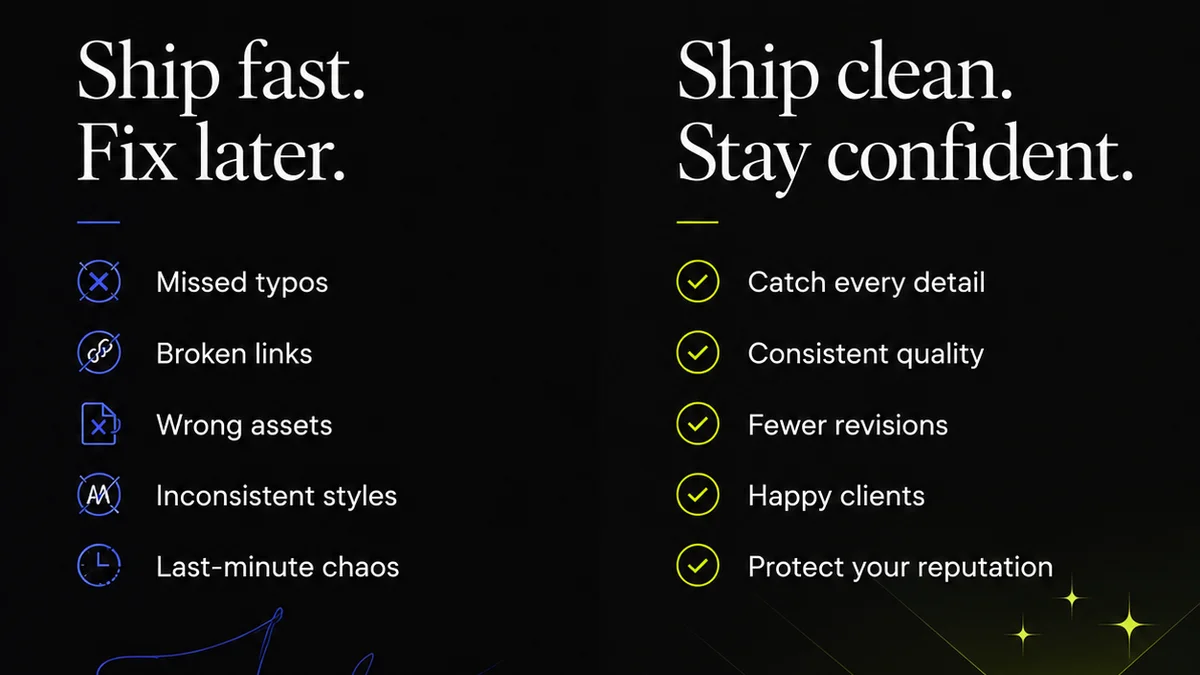
Everyone talks about product-market fit. They say it’s the holy grail. And it is. But how do you actually find it? Many teams think it’s about building the next big thing, throwing features at the wall, and seeing what sticks. That’s not product discovery. That’s just expensive guesswork.
The hard truth? True product discovery isn’t about *building more*. It’s about *learning more*. It’s a rigorous, iterative process of understanding customer needs and validating potential solutions *before* you commit significant development resources.
1. The Flawed Assumption: Ideas Are Enough
Most businesses are drowning in ideas. The backlog is overflowing. The team is buzzing with ‘what ifs’. This energy is great, but it’s often misdirected.
The assumption is that a brilliant idea, coupled with a skilled development team, is all it takes to win. This ignores the fundamental challenge: is anyone actually waiting for this idea?
This is where many product initiatives falter. They're built on internal assumptions, not external validation.
The Cost of Building Without Knowing
Every feature built without clear evidence of need is a risk. It consumes developer time, design effort, and marketing budget. Even worse, it can lead to a bloated product that confuses users and dilutes your core value proposition.
- Wasted engineering hours
- Missed market opportunities
- Frustrated development teams
- Confused customer base
- Bloated product roadmap
This isn’t about stifling creativity. It’s about focusing that creativity where it matters most: solving real problems for real people.
2. The Core of Product Discovery: Asking Why, Not What
Product discovery is a systematic approach to de-risking product development. It’s about reducing uncertainty by gathering evidence.
Instead of asking “What feature should we build next?”, you ask:
- “What problem are our customers *really* trying to solve?”
- “What are their biggest unmet needs?”
- “How are they currently trying to solve this problem, and what are the frustrations?”
- “What would a truly elegant solution look like to them?”
This shift in perspective is critical. It moves you from a feature-factory mindset to a problem-solving one.
Empathy as a Strategic Tool
At its heart, product discovery is about deep customer empathy. It requires actively listening, observing, and understanding the user’s context.
This isn’t a one-off survey. It’s an ongoing dialogue. It involves:
- Conducting user interviews
- Observing user behavior
- Analyzing support tickets and feedback
- Mapping customer journeys
- Testing low-fidelity prototypes
The goal is to uncover the underlying motivations and pain points that drive user behavior. This insight is gold.
3. Validating Assumptions: The Key to De-Risking
Once you understand the problem space, the next step is to validate potential solutions. This is where many teams skip crucial steps, jumping straight to full-scale development.
The validation phase is about testing your riskiest assumptions with minimal investment.
What Are Your Riskiest Assumptions?
Before you build anything, identify what you *don’t* know. What needs to be true for your solution to succeed?
Common risky assumptions include:
- Value Assumption: Do customers perceive value in your proposed solution?
- Growth Assumption: Will customers be willing to promote or share your product?
- Usability Assumption: Can users figure out how to use your product?
- Feasibility Assumption: Can your team actually build this solution within technical constraints?
Each of these needs to be tested.
Techniques for Low-Fidelity Validation
You don’t need a finished product to test these assumptions. Consider:
- Landing Page Tests: Describe your solution and measure sign-up rates.
- Concierge MVPs: Manually deliver the core value proposition to a small group of users.
- Wizard of Oz MVPs: Create a front-end interface that appears automated, but is manually operated behind the scenes.
- Prototypes: Use tools like Figma to create interactive mockups and get feedback.
- A/B Testing: Test variations of messaging or design elements.
The aim is to get real-world feedback as quickly and cheaply as possible.
4. Iteration and Learning: The Engine of Growth
Product discovery isn’t a linear process. It’s a loop: learn, build, measure, learn again.
After testing a solution, you’ll have new data. This data informs your next steps.
- Did the solution resonate?
- What aspects were confusing?
- What improvements are needed?
- Is this the right problem to solve after all?
Based on the findings, you might pivot, persevere, or even stop. This iterative approach minimizes waste and maximizes the chances of building something truly valuable.
The Role of Data in Discovery
Data from your discovery efforts provides the evidence needed to make informed decisions. This includes:
- Qualitative feedback from interviews and usability tests
- Quantitative data from A/B tests and landing page sign-ups
- Behavioral analytics showing how users interact with prototypes
This data-driven approach builds confidence and aligns the team around validated insights, not just opinions.
5. Where Revue Fits In
Managing the chaos of feedback and revisions is a significant challenge in the product development lifecycle. This is precisely where Revue shines.
During the discovery and validation phases, you’re constantly gathering feedback on prototypes, concepts, and early versions. Revue provides a centralized hub for this crucial information.
- Centralized Feedback: Instead of scattered emails and Slack messages, all stakeholder feedback lives in one place, linked directly to the creative asset. This ensures no valuable insight gets lost.
- Revision and Approval Visibility: Track the evolution of designs and concepts. See who approved what, when, and why. This clarity is essential for validating assumptions and making informed iteration decisions.
- Quality Checks: Ensure that feedback is constructive and that the final output meets the validated requirements. Revue helps maintain a clear audit trail, confirming that the developed product aligns with the discovery insights.
By streamlining these workflows, Revue frees up your team to focus on the core activities of discovery and iteration, rather than getting bogged down in administrative overhead.
6. The Business Impact: From Discovery to Growth
When product discovery is done right, the impact on business growth is profound.
It leads to products that customers actually want and need. This translates directly into:
- Higher customer satisfaction
- Increased user adoption and retention
- Stronger product-market fit
- More efficient use of development resources
- Reduced risk of costly product failures
- Ultimately, sustainable revenue growth
Investing in a robust product discovery process isn't an expense; it's a strategic imperative for long-term success.
Final Thought
Are you building what you *think* customers want, or what you *know* they need? The difference is the chasm between a product that struggles and one that thrives.
Frequently asked questions
What is the main difference between product development and product discovery?
Product development focuses on building and delivering the product, while product discovery focuses on learning and validating *what* to build and *why* before significant development resources are committed. Discovery de-risks development.
Why is validating assumptions so important in product discovery?
Validating assumptions helps you test your riskiest hypotheses about customer needs and solution value with minimal investment. This prevents building features or products that nobody wants, saving time and resources.
What are some common techniques for product discovery?
Common techniques include customer interviews, user observation, journey mapping, landing page tests, concierge MVPs, Wizard of Oz MVPs, and prototype testing. The goal is to gather evidence and learn quickly.
How does product discovery directly contribute to business growth?
By ensuring you build products that solve real customer problems and meet market needs, product discovery leads to higher customer satisfaction, increased adoption, better retention, and ultimately, sustainable revenue growth.