Everyone talks about project management software costs. The monthly fees, the per-user licenses. It’s easy to add it all up and think you’ve got the picture. None of that is wrong. But it’s incomplete.
The real cost of project management isn't just the tools you pay for; it's the operational friction you *don't* see until it’s too late.
1. The Hidden Drain of Inefficient Communication
You’ve got Slack, email, video calls, maybe even a dedicated PM tool. Seems like you're covered. But are you just adding more channels to the noise?
Scattered feedback. Missed messages. Decisions lost in email chains. This isn't just annoying; it’s a direct hit to your bottom line.
The Cost of Context Switching
Every time a team member has to hunt for information, switch between apps, or re-explain something, they’re losing focus. That’s billable time evaporating.
Studies by the Nielsen Norman Group show that interruptions significantly reduce productivity. For creative teams, where deep focus is critical, this cost is amplified.
Communication Bottlenecks
When feedback loops are slow or unclear, projects stall. Clients get impatient. Revisions pile up because the initial direction was muddled.
This isn't just about project timelines. It's about client satisfaction and the potential loss of future work.
2. The Price of Poor Visibility
You might have a project plan. You might even have a Gantt chart. But do you *really* know what’s happening at any given moment?
Lack of real-time visibility into project status, individual workloads, and potential roadblocks is a silent killer of efficiency.
Unforeseen Overtime
When you can’t see that a task is falling behind until it’s too late, the only solution is often last-minute overtime. This drives up labor costs and burns out your team.
Resource Misallocation
Are your most skilled designers stuck on low-priority tasks because no one has a clear overview? Are you hiring new people when existing staff are underutilized?
Without a clear view of capacity and demand, you’re essentially flying blind. This leads to inefficient use of your most valuable assets: your people.
3. The True Cost of Revision Chaos
Creative work is iterative. Revisions are expected. But uncontrolled, unmanaged revisions are a different beast entirely.
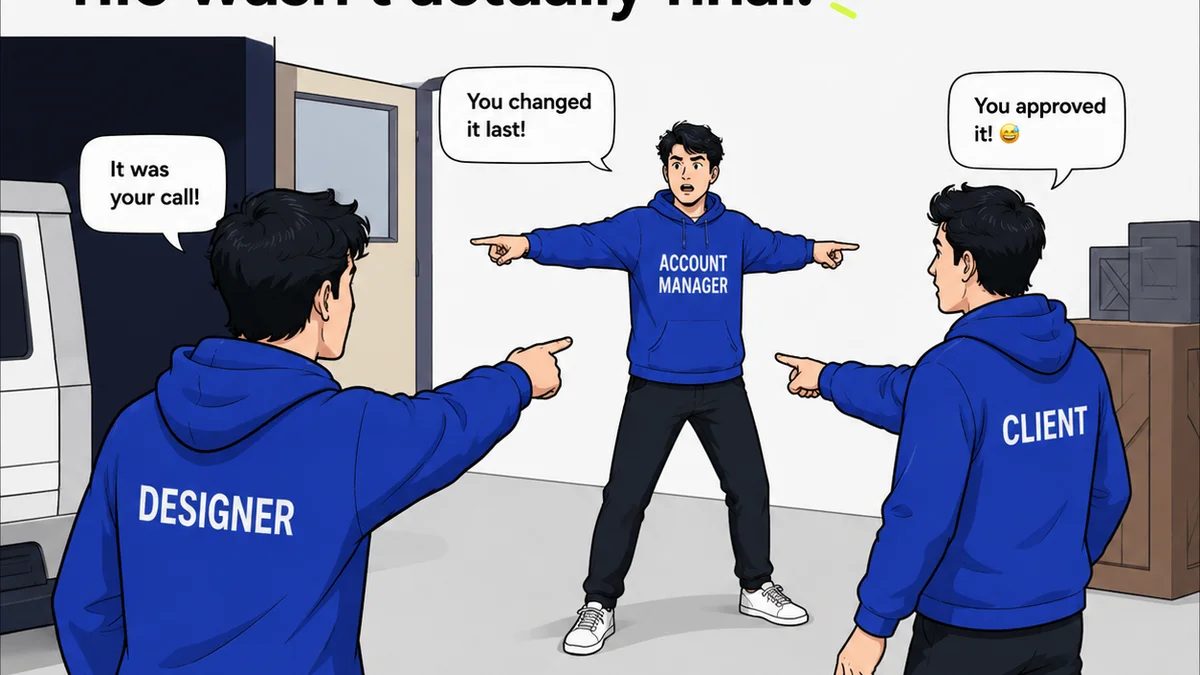
Endless revision cycles, scope creep disguised as feedback, and a lack of clear approval gates bleed projects dry.
Scope Creep's Silent Entry
A small tweak here, a minor change there. Individually, they seem harmless. Collectively, they can balloon a project’s scope far beyond its original estimate, with no corresponding increase in budget.
The Approval Black Hole
When approvals are buried in email threads or verbal conversations, it’s hard to know when a piece of work is truly signed off. This leads to work being redone unnecessarily.
It also creates a dangerous lack of accountability. Who approved that last-minute change? The paper trail is often nonexistent.
4. The Expense of Quality Control Lapses
Think quality control is just about catching typos? Think again. It’s about ensuring the work meets client expectations and strategic goals.
Skipping steps or rushing through QC can lead to costly mistakes that damage your reputation.
Client Rejection and Rework
Work delivered that doesn’t meet client expectations, isn’t on-brand, or contains errors will inevitably come back. This means more time spent on rework, often under tight deadlines.
Reputational Damage
Consistently delivering subpar work, even if it's due to poor internal processes, erodes client trust. This is far more expensive to fix than any software subscription.
A strong brand reputation is built on consistent delivery of high-quality work. Project management processes are the bedrock of that consistency.
5. The Overhead of Disconnected Systems
Many agencies cobble together a tech stack. A bit of this, a bit of that. It seems cost-effective initially.
But disconnected tools create silos, duplicate data entry, and increase the chances of errors. The true cost is in the inefficiency and the missed opportunities for integration.
Data Silos and Duplication
When project information lives in one tool, client communication in another, and assets in a third, your team spends valuable time cross-referencing and re-entering data.
Lack of Integration
Tools that don’t talk to each other create manual workarounds. This is not only time-consuming but also a significant source of errors.
Imagine if your design software could directly link to client feedback, or if approved assets automatically updated project status. That’s the power of integration, and its absence is a hidden cost.
Where Revue Fits In
The operational costs we’ve discussed – communication friction, lack of visibility, revision chaos, quality lapses, and system fragmentation – are precisely the problems Revue is built to solve.
Revue acts as the central nervous system for your creative projects. It’s not just another tool; it’s a workflow solution designed to reduce these hidden costs.
Centralized Feedback and Communication
Instead of chasing feedback across emails, Slack, and random documents, all client input lives directly on the creative asset within Revue. This eliminates context switching and ensures everyone is working from the same, up-to-date information.
Clear Revision and Approval Workflows
Revue provides clear, visual tracking of revisions and approvals. You can see exactly who needs to review what, when it was requested, and when it was approved. This drastically cuts down on ambiguity and prevents costly rework due to misunderstandings.
Streamlined Quality Checks
By having all assets and feedback in one place, and clear approval stages, Revue facilitates more robust quality control. It ensures that work meets client requirements before final delivery, minimizing post-delivery revisions and protecting your reputation.
Integrated Asset Management
Revue connects your creative assets directly to the feedback and approval process. This means your team always has access to the latest approved versions, reducing errors and saving time spent searching for the right files.
Final Thought
Are you treating project management as a line item expense for software, or as a strategic investment in operational efficiency? The tools are only part of the equation. The real ROI comes from how they enable your team to work smarter, faster, and with less friction.
Frequently asked questions
What are the hidden costs of project management that businesses often overlook?
Businesses often overlook the costs associated with inefficient communication (e.g., time spent searching for information), lack of real-time visibility leading to overtime or resource misallocation, the chaos of uncontrolled revisions and scope creep, lapses in quality control resulting in rework and reputational damage, and the overhead created by disconnected software systems.
How does inefficient communication impact a project's budget?
Inefficient communication leads to context switching, where team members lose valuable time and focus searching for information or re-explaining details. This directly reduces billable hours and productivity. Furthermore, unclear communication can result in missed feedback or incorrect direction, leading to costly revisions and project delays.
What is the cost of poor visibility in project management?
Poor visibility means not knowing the true status of tasks or workloads. This can lead to unforeseen overtime as deadlines approach, inefficient use of team resources (e.g., skilled staff on low-priority tasks), and an inability to proactively address potential roadblocks, all of which increase project costs and can lead to burnout.
How can a project management tool like Revue help reduce these hidden costs?
Revue centralizes feedback, communication, and approvals directly on creative assets, eliminating scattered information and context switching. Its clear workflows provide visibility into revision status, reducing chaos and preventing rework. By streamlining these processes, Revue helps minimize operational friction, improve efficiency, and ultimately lower the true cost of project management.