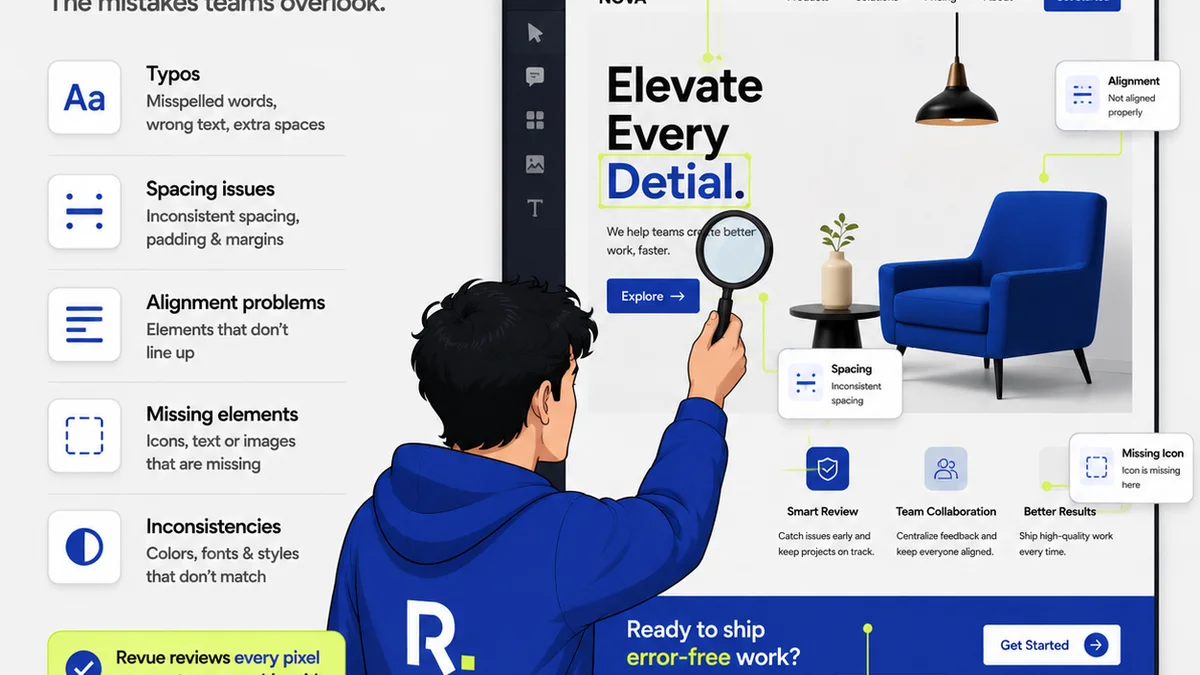
Everyone talks about project management software being the silver bullet. Get the right tool, and suddenly, your agency runs like a well-oiled machine. Projects deliver on time, clients are thrilled, and profits soar.
None of that is wrong. But it’s incomplete.
The hard truth? Your project management mistakes aren’t about the software you use, or don’t use. They’re about the broken processes and communication breakdowns that software can’t fix on its own. These are the silent profit killers.
1. The Illusion of Centralization
You think because you have a PM tool, everything is centralized. Emails are in one place, tasks in another, files scattered across cloud storage. This isn't centralization; it’s just diffusion across more platforms.
The real problem is a lack of a single source of truth for client feedback and project status.
Feedback Chaos
Client feedback arrives via email, Slack, a hastily scribbled note, or even a voicemail. It’s often contradictory, vague, or buried under unrelated conversations. Your team spends hours trying to decipher what the client *really* wants.
- Lost feedback = wasted revisions.
- Misinterpreted feedback = scope creep and unhappy clients.
- Delayed feedback = missed deadlines and rushed work.
This isn’t a PM tool problem; it’s a workflow problem. You need a system that captures feedback contextually, right alongside the creative asset it pertains to.
Revision Redundancy
Without clear visibility into the revision history and approval status, teams often redo work that’s already been approved or is currently in review. This is a massive drain on billable hours.
- Team members work on outdated versions.
- Approvals get lost in email threads.
- Clients get confused about what version they’re looking at.
This leads to duplicated effort and missed opportunities to bill for actual progress.
2. The Scope Creep Black Hole
Scope creep isn’t just about clients asking for more. It’s about your internal processes failing to track and manage those requests effectively.
When requests come in through informal channels – a quick Slack message, a casual mention in a meeting – they bypass the formal change order process. Your team, eager to please or simply not wanting to rock the boat, starts working on them without proper documentation or client sign-off.
Invisible Work
This
Frequently asked questions
What are the most common project management mistakes agencies make?
Common mistakes include a lack of clear communication, poor scope management, inadequate resource allocation, failing to track feedback effectively, and not having a centralized system for revisions and approvals. These often stem from broken processes rather than the tools themselves.
How does scope creep impact agency profitability?
Scope creep directly erodes profitability by increasing the time and resources spent on a project beyond what was initially agreed upon and budgeted for. Unmanaged scope creep leads to wasted hours, missed deadlines, and client dissatisfaction, all of which negatively impact your bottom line.
Why is centralized client feedback crucial for agencies?
Centralized feedback ensures all comments and revisions are captured in one place, linked to the specific asset. This eliminates confusion, reduces misinterpretations, prevents lost feedback, and streamlines the revision process, saving valuable time and preventing costly rework.
Can project management software alone solve these issues?
While project management software is essential, it cannot fix underlying process or communication issues on its own. It's a tool that supports good workflows. The real solution lies in implementing clear processes for feedback, revisions, approvals, and scope management, and then using software to enforce them.