You hear it everywhere: test your prototypes. Get them in front of users. Gather feedback. It’s the gospel of modern product development. And frankly, none of that is wrong. But it’s incomplete.
The hard truth? Most prototype testing services deliver surface-level insights. They’re good at finding usability glitches, but they often miss the deeper strategic and emotional connections your product needs to make. You need more than just a bug report; you need validation that your solution actually solves a real problem and resonates with your target audience.
1. The 'Usability' Trap: What It Really Means
Beyond Clickability
Many services focus on whether users can complete tasks. Can they find the buy button? Navigate the checkout? This is basic usability, and it’s table stakes. If your prototype isn’t usable, it’s dead on arrival.
But usability testing alone doesn't tell you if your product is desirable. It doesn’t reveal if users *want* to use it, or if it aligns with their needs and aspirations. That’s a different, more critical, layer of validation.
The 'Why' Behind the 'What'
Effective prototype testing digs into the 'why.' Why did a user hesitate at that screen? Why did they express confusion or delight? What underlying assumptions are they bringing to the interaction? Services that don't probe these questions are selling you short.
Look for services that employ qualitative methods alongside quantitative data. They should be asking open-ended questions, observing body language, and facilitating discussions, not just tracking task completion rates.
2. Defining Your Testing Goals: Strategy Over Tactics
What Are You *Really* Trying to Learn?
Before you even look at a prototype testing service, get crystal clear on your objectives. Are you validating a core concept? Testing a new feature? Refining the user flow for a critical conversion point? Or understanding brand perception?
Your goals dictate the methodology. A service that offers a one-size-fits-all approach is a red flag. You need a partner who understands your strategic imperatives.
Target Audience Precision
Who are you testing with? Not just demographics, but psychographics, behaviors, and existing pain points. A service that can recruit highly specific user segments relevant to your product will provide exponentially more valuable feedback than one using generic panels.
Think about it: testing a fintech app with recent college grads versus seasoned investors yields entirely different, yet equally valid, insights. The recruitment strategy is paramount.
3. Methodologies That Matter: Beyond the Screen Share
Generative vs. Evaluative Testing
Generative testing happens early, exploring user needs and problems without a defined solution. It’s about discovery. Evaluative testing, more common with prototypes, assesses an existing design against specific goals.
A good service will understand the difference and apply the right approach. Are they just evaluating what you’ve built, or are they helping you discover if what you’re building is even the right thing?
In-Person vs. Remote
In-person testing offers rich, unmediated observation. You see the user in their natural context, pick up on subtle cues. It’s often more expensive and logistically complex.
Remote testing is scalable and cost-effective. Moderated remote sessions allow for interaction, while unmoderated tests provide large volumes of data quickly. The key is choosing the right tool and approach for your goals.
Qualitative vs. Quantitative
Qualitative data (interviews, open-ended feedback) tells you the 'why.' It provides context, nuance, and emotional insights.
Quantitative data (surveys, task success rates, time on task) tells you the 'what' and 'how much.' It provides measurable metrics.
The best services integrate both. Relying solely on numbers misses the story. Relying solely on anecdotes can be biased.
4. Evaluating Prototype Testing Services: The Checklist
Expertise and Experience
Do they have a proven track record in your industry or with your type of product? What’s their team’s background in UX research, psychology, and product strategy?
Recruitment Capabilities
Can they source participants who precisely match your target user profile? What’s their screening process like?
Reporting and Deliverables
What does the final report look like? Is it just raw data, or does it include actionable insights and strategic recommendations? Do they offer workshops or debrief sessions to help your team internalize the findings?
Tools and Technology
What platforms do they use for testing? Are they robust, secure, and appropriate for the type of prototype (e.g., clickable wireframes, high-fidelity mockups, interactive apps)?
Ethical Considerations
How do they ensure participant privacy and informed consent? Are they compliant with relevant data protection regulations?
5. Where Revue Fits In
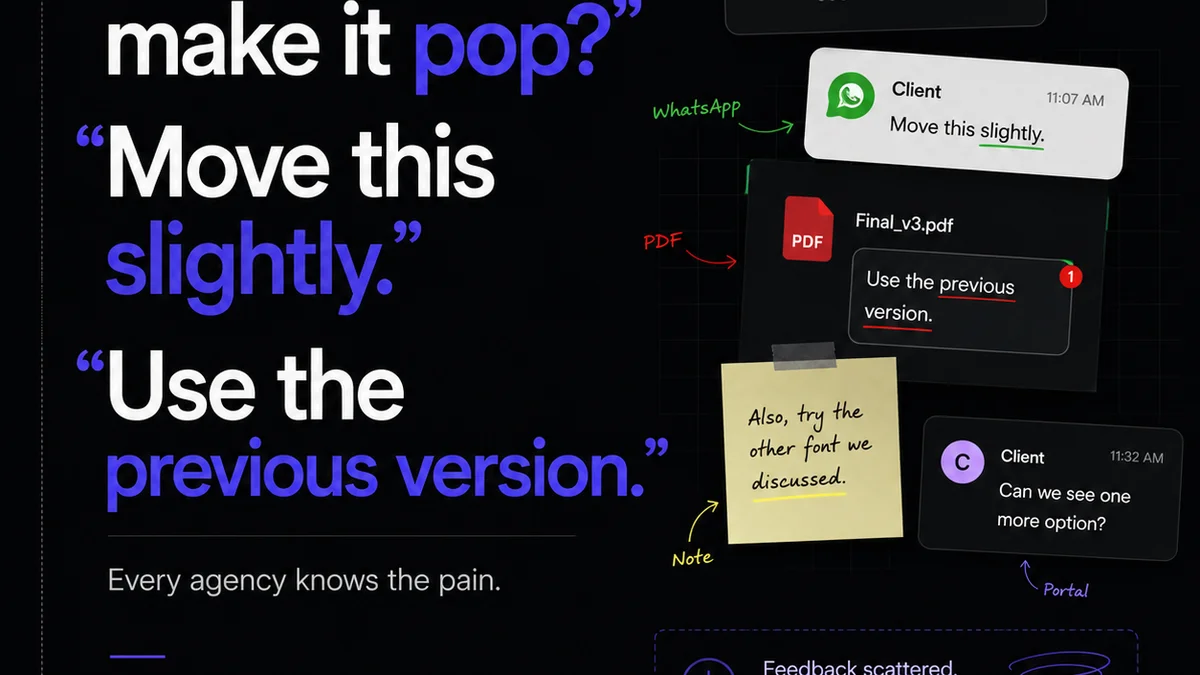
Even the best prototype testing can fall apart if the feedback loop is broken. Imagine meticulously gathering insights, only to have them lost in endless email threads or scattered across Slack channels.
This is where a centralized platform like Revue becomes indispensable. It’s not a testing service itself, but it ensures the *outputs* of your testing aren't wasted.
- Centralized Feedback: Upload all your prototype versions and link feedback directly to specific elements. No more hunting for that crucial comment from three iterations ago.
- Revision Visibility: Track every change, every approval, and every piece of feedback tied to a specific version. This context is vital for understanding why decisions were made.
- Quality Assurance: Use Revue to run final QA checks against the requirements and feedback gathered during testing. Ensure the final product aligns with user needs and strategic goals.
Revue keeps your project’s history, feedback, and approvals in one place, making the insights from your prototype testing actionable and enduring.
Final Thought
Prototype testing isn't just a checkbox on a project plan. It's a strategic imperative. But the value isn't in the act of testing itself; it's in the quality of the insights and how effectively they're integrated into your product strategy. Are you just ticking a box, or are you truly listening to understand?
Frequently asked questions
What's the difference between usability testing and prototype testing?
Usability testing specifically focuses on whether users can easily and efficiently complete tasks within a product or prototype. Prototype testing is a broader term that can encompass usability testing, but also aims to gather feedback on the overall concept, desirability, and effectiveness of the proposed solution before full development.
How do I choose the right users for prototype testing?
Identify your target audience's key characteristics, behaviors, and needs. Then, define specific criteria for participant recruitment. Services specializing in targeted recruitment can help find users who precisely match your ideal customer profile, ensuring the feedback is relevant and actionable.
What are the key deliverables I should expect from a prototype testing service?
Beyond raw data, you should expect actionable insights, clear recommendations for improvement, and a summary of key findings. Some services also offer debrief sessions or workshops to help your team understand and implement the feedback effectively.
Can prototype testing help validate a new business idea?
Yes, absolutely. Early-stage prototype testing, often using generative methods, can help validate the core problem your idea solves and gauge potential user interest before significant investment in development. It helps answer if there's a market need for your solution.