Everyone talks about how good publication design looks. It’s the glossy spreads, the crisp typography, the compelling layouts. And that’s not wrong. But it’s incomplete.
The deeper truth? Publication design, when done right, isn't just about looking good. It's about driving business results. It's a strategic tool, not just a decorative one. And if you're not measuring its ROI, you're leaving money on the table.
1. Beyond Pretty Pictures: Defining Publication Design ROI
What *is* publication design ROI? It's the quantifiable business value generated by your publication design efforts, relative to the investment made. Too often, agencies and clients alike focus solely on the cost of design without a clear understanding of the potential returns.
This isn't about vanity metrics. It's about tangible outcomes.
The Common Pitfall: Cost vs. Value
Agencies often get stuck here: "We spent X hours and Y dollars on this design." Clients say: "That price seems high for a few pages." This is a conversation about cost, not value or return.
True ROI thinking shifts the question from 'How much did it cost?' to 'What did it *achieve*?'
Key Areas of Impact
- Increased reader engagement
- Improved brand perception
- Higher conversion rates
- Better information retention
- Streamlined internal communication
When you can tie design decisions to these outcomes, you move from a cost center to a profit driver.
2. Measuring the Impact: Metrics That Matter
How do you actually *measure* publication design ROI? It requires a shift in how you track and analyze performance. You need to connect design elements to specific business goals.
Engagement Metrics
For digital publications, this is easier. Track:
- Time on page/in document
- Scroll depth
- Click-through rates on internal links
- Download rates
- Share metrics
For print, it's more indirect but still possible. Consider:
- Unique coupon codes used from print ads
- Dedicated landing pages mentioned in print
- Surveys asking how readers heard about you
- Repeat purchase rates from customers who received print materials
Conversion Metrics
This is where design directly impacts the bottom line. Are people taking the desired action after interacting with your publication?
- Lead generation: How many inquiries or sign-ups originated from the publication?
- Sales: Can you attribute direct sales to a publication's influence?
- Event attendance: Did a publication drive registrations for a webinar or event?
This requires careful tracking, often using UTM parameters for digital or specific call-to-actions for print.
Brand Perception Metrics
This is softer but crucial. How does the design influence how people *feel* about your brand?
- Brand recall surveys
- Sentiment analysis on social media related to the publication
- Client feedback on professionalism and credibility
High-quality publication design signals professionalism and attention to detail. It builds trust.
3. The Investment Side: What Goes into Publication Design?
Understanding the investment is the other half of the ROI equation. It's not just the designer's hourly rate. It's the entire ecosystem required to produce a successful publication.
Direct Costs
- Designer/Art Director time
- Copywriter/Editor time
- Photographer/Illustrator fees
- Stock image licenses
- Printing and distribution costs (for print)
- Platform fees (for digital)
Indirect Costs
- Project management time
- Client review and feedback cycles
- Research and strategy development
- Software and tool subscriptions
- Team training and skill development
Often, the indirect costs are underestimated. Inefficient feedback loops and endless revisions can skyrocket project costs without adding proportional value.
4. Maximizing ROI: Strategies for Success
So, how do you ensure your publication design efforts yield the best possible return? It comes down to strategy, process, and measurement.
Strategy First
Before a single pixel is placed or a page is laid out, understand the *purpose* of the publication. Who is it for? What action should they take? What message needs to be conveyed?
A clear brief is non-negotiable. Without it, design becomes guesswork, and ROI becomes impossible to track.
Streamline Feedback and Approvals
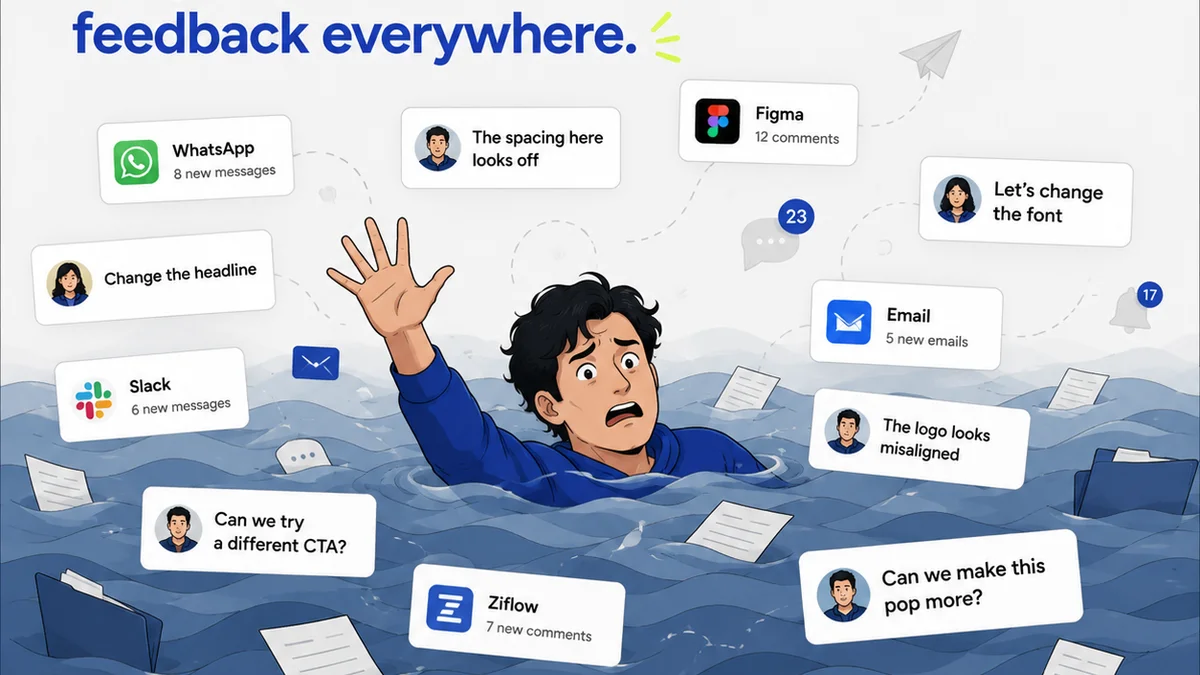
This is where many agencies and clients falter. Endless email chains, scattered comments, and version control nightmares kill efficiency and inflate costs. This directly erodes ROI.
A centralized platform for feedback and approvals is critical. It ensures all stakeholders are working from the latest version, comments are consolidated, and decisions are logged. This saves time, reduces errors, and keeps the project on track.
Data-Driven Iteration
Don't just launch and forget. Analyze the performance metrics. What worked? What didn't? Use this data to inform the next iteration of your publication.
A/B test headlines, calls-to-action, or layout variations. Small tweaks, informed by data, can lead to significant improvements in engagement and conversion.
Focus on User Experience (UX)
Whether print or digital, the reader's experience is paramount. Is the information easy to find? Is the typography legible? Is the navigation intuitive (for digital)?
Good UX design in publications reduces friction and guides the reader towards the desired outcome. This is a core component of effective design that drives results.
Where Revue Fits In
Managing publication design projects effectively is a challenge. Keeping track of feedback, revisions, and approvals across multiple stakeholders can be a logistical nightmare. This is precisely where Revue shines.
Revue provides a centralized hub for all your creative project communication. Instead of sifting through endless email threads or scattered documents, all feedback is consolidated in one place, tied directly to the creative asset.
- Centralized Feedback: Collect all client comments and stakeholder input directly on the design.
- Revision Management: Track every version and iteration, ensuring clarity on what's been changed and approved.
- Approval Workflows: Streamline the sign-off process, reducing bottlenecks and accelerating project timelines.
- Quality Assurance: Ensure all feedback is addressed and approved before final delivery, minimizing costly post-launch revisions.
By bringing structure and clarity to the feedback and approval process, Revue helps agencies reduce costly delays, minimize scope creep, and ultimately improve the ROI of their publication design services.
Final Thought
Publication design is a powerful lever for business growth, not just an aesthetic indulgence. The question isn't whether good design is expensive. The real question is: can you afford the cost of *bad* design, or the opportunity cost of design that isn't strategically measured?
Frequently asked questions
What is Publication Design ROI?
Publication Design ROI (Return on Investment) is the quantifiable business value generated by your publication design efforts, measured against the resources invested. It shifts the focus from the cost of design to the business results it achieves, such as increased engagement, lead generation, or improved brand perception.
How can I measure the ROI of a print publication?
Measuring print ROI often involves indirect methods. You can use unique coupon codes, dedicated landing pages mentioned in the publication, post-publication surveys to track how readers discovered you, or analyze repeat purchase rates from customers who received print materials. The key is to create trackable touchpoints.
What are the biggest hidden costs in publication design projects?
The biggest hidden costs are often indirect: excessive project management time due to inefficient communication, lengthy and repetitive client review cycles, the cost of endless revisions, and team time spent deciphering scattered feedback. Centralizing feedback and approvals can significantly mitigate these costs.
How does efficient feedback management improve publication design ROI?
Efficient feedback management, typically through a centralized platform, drastically reduces the time and cost associated with revisions and approvals. It minimizes miscommunication, prevents version control issues, and speeds up project timelines, all of which directly contribute to a higher ROI by lowering project costs and accelerating time-to-market.