Everyone thinks the best publication design services in the US are about killer aesthetics. Sleek layouts, sharp typography, eye-catching imagery. That's the stuff you see on the newsstand, in a well-designed annual report, or on a polished brand magazine. None of that is wrong. But it’s incomplete.
The hard truth is that great publication design isn't just about looking good. It's about communicating effectively, engaging your audience, and driving specific outcomes. It’s about the entire ecosystem of how content is consumed, from print to digital, and how it serves your business goals.
1. Defining 'Best': Beyond the Visuals
When agencies or brands look for top-tier publication design, they often focus on portfolios. They want to see a history of beautiful work. This is a natural starting point.
But 'best' means more than just visual appeal. It means a partner who understands:
- Your audience: Who are you trying to reach? What are their expectations?
- Your objectives: What should this publication achieve? Lead generation? Brand loyalty? Information dissemination?
- Your workflow: How does this design integrate with your content creation and distribution?
- Your budget and timeline: Can they deliver within realistic constraints?
A service that delivers stunning visuals but misses these strategic points is a failure, no matter how pretty the final output.
The Strategic Brief is King
Before any pixel is pushed, the best design partners insist on a robust creative brief. This document is the foundation. It outlines not just the 'what' but the 'why'.
A publication design service that skips this step, or rushes through it, is a red flag. They’re prioritizing execution over understanding. That’s a recipe for rework and missed opportunities.
2. The Ecosystem of Publication Design
Publications today aren't isolated assets. They live within a larger context. This includes print, web, social media, and even video.
The best publication design services understand this interconnectedness. They design with a holistic view, ensuring consistency and synergy across all platforms.
Print-First Thinking is Outdated
Many legacy design shops still think in print-first. They design a beautiful magazine, then try to adapt it for a website or a PDF. This often results in clunky digital experiences and missed opportunities for interactive content.
Conversely, leading services approach design with a 'digital-first' or 'platform-agnostic' mindset. They consider how the content will be accessed, shared, and interacted with, regardless of the medium.
This means thinking about:
- Responsive layouts for digital versions.
- Accessibility standards (WCAG compliance).
- Interactive elements for online PDFs or web versions.
- Export formats optimized for various platforms.
Brand Consistency Across Channels
Your publication is an extension of your brand. The design must reflect your brand identity consistently. This is crucial for building trust and recognition.
A top-tier service will:
- Deeply understand your brand guidelines.
- Apply them rigorously across all design elements.
- Advise on how the publication design can enhance brand perception.
3. The Operational Backbone: Process and Collaboration
Beneath the surface of beautiful design lies the operational engine. This is where many services fall short. They might be great designers but terrible collaborators or project managers.
The best publication design services have streamlined, transparent processes. They make it easy for clients to engage, provide feedback, and track progress.
Feedback Loops: The Devil is in the Details
Client feedback is essential, but it can also be a bottleneck. Unstructured feedback, endless revision rounds, and unclear communication can derail projects.
Top services implement clear feedback mechanisms. They use tools and processes that ensure feedback is actionable, consolidated, and tracked.
Revision Management: Clarity Over Chaos
The revision process is often where good intentions go to die. Without a clear system, versions get lost, comments are missed, and frustration mounts.
A strong publication design partner has a defined revision workflow. They manage versions, clearly communicate changes, and ensure all stakeholders are aligned.
Quality Assurance: The Unseen Hero
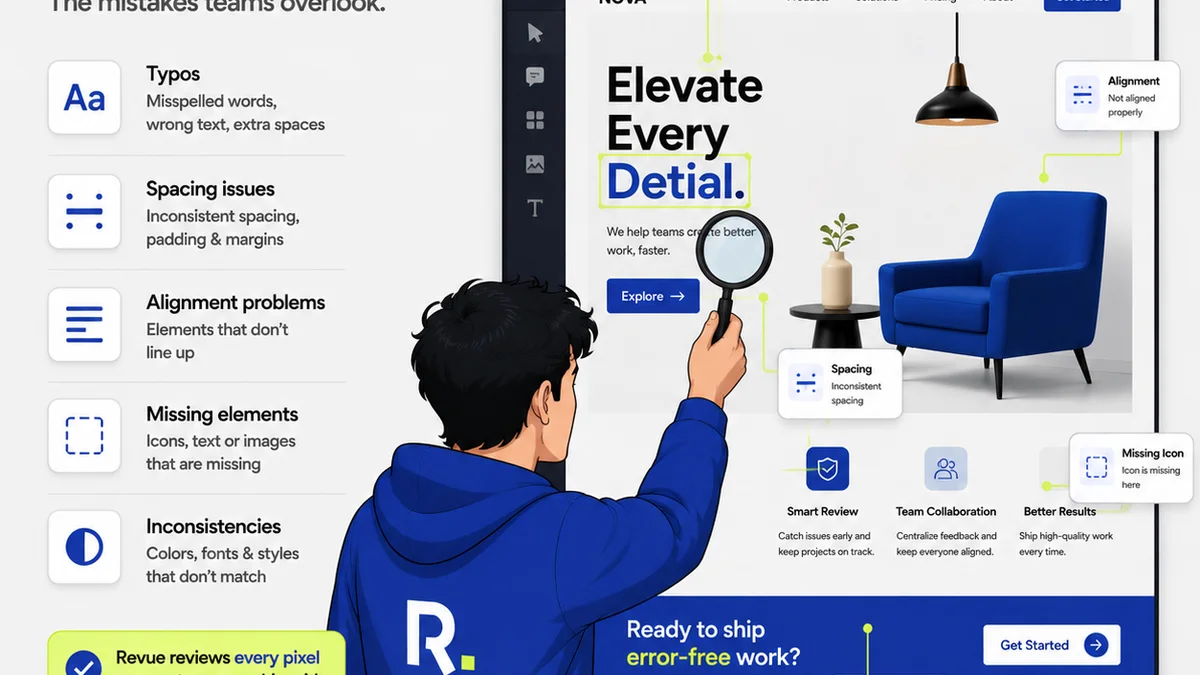
Before a publication goes live, a thorough QA process is critical. This catches errors in layout, typography, image placement, and even content accuracy.
The best services integrate QA as a standard part of their delivery. They don't just hand over files; they ensure they are production-ready and error-free.
4. Technology and Tools: Enabling Efficiency
The tools a design service uses can significantly impact efficiency and final output. While the *designers* are key, the *tools* they leverage matter.
This isn't about flashy software; it's about tools that facilitate collaboration, streamline workflows, and ensure accuracy.
Design Software Standards
Familiarity with industry-standard tools like Adobe InDesign, Illustrator, and Photoshop is a given. But the best services also know how to use them efficiently for publication work.
For digital publications, understanding tools for interactive PDF creation or web design integration is also key.
Collaboration Platforms
Beyond design software, effective collaboration platforms are crucial. This is where communication happens, files are shared, and approvals are managed.
This could range from robust project management software to specialized feedback tools. The goal is a central hub for all project activity.
Where Revue Fits In
Managing the complex flow of feedback, revisions, and approvals for publication design can be a major challenge. This is precisely where a tool like Revue can make a significant difference.
When you’re working on a new magazine, report, or even a series of digital articles, the number of stakeholders and iterations can quickly become overwhelming. Revue provides a centralized platform to manage this entire process.
Imagine this:
- Centralized Feedback: All comments and annotations are in one place, linked directly to the design asset. No more sifting through endless email threads or scattered documents.
- Version Control and Approvals: Easily track revisions, see who approved what and when. This transparency eliminates confusion and speeds up the sign-off process.
- Quality Assurance Visibility: Ensure that final checks are completed and documented before publication.
By streamlining these critical aspects of the creative workflow, Revue helps ensure that your publication design projects move smoothly from concept to completion, with clarity and efficiency at every step.
5. The ROI of Great Publication Design
Ultimately, the 'best' publication design services are those that deliver tangible return on investment. This goes beyond vanity metrics.
It's about how the design contributes to the overall business objectives. Did the new annual report increase investor confidence? Did the customer magazine improve retention rates? Did the digital publication drive measurable engagement?
Measuring Success
The best design partners will help you define success metrics upfront and track them post-launch. They understand that their work is part of a larger business strategy.
This might involve tracking:
- Engagement rates (time on page, clicks, shares).
- Conversion rates (downloads, sign-ups, leads).
- Brand perception shifts (surveys, sentiment analysis).
- Readership growth or retention.
Long-Term Value
A publication designed with strategy, efficiency, and measurable outcomes in mind provides long-term value. It’s an asset that continues to work for your brand long after the initial launch.
Investing in a publication design service that understands this broader context is an investment in your brand's future.
Final Thought
Are you hiring a design service that simply makes things look good, or one that makes things work better? The distinction is everything.
Frequently asked questions
What's the most important factor in choosing a publication design service?
Beyond aesthetics, it's crucial to find a service that deeply understands your strategic objectives, target audience, and workflow. A strong grasp of these elements ensures the design effectively communicates and achieves your goals.
How important is digital integration in publication design today?
Highly important. Leading services design with a platform-agnostic or digital-first mindset, ensuring consistency and engagement across print, web, and mobile, and adhering to accessibility standards like WCAG.
What are the signs of an inefficient publication design workflow?
Signs include unstructured feedback loops, unclear revision management, lack of version control, and a missing quality assurance process. These lead to delays, frustration, and errors.
How can a publication design service demonstrate ROI?
They demonstrate ROI by helping define success metrics upfront and tracking them post-launch. This includes engagement rates, conversion rates, brand perception shifts, and readership growth, showing how the design contributes to business goals.