Everyone talks about the look of publications in 2026. They point to AI-generated imagery, hyper-personalized layouts, and maybe even holographic elements. And that’s fine.
None of that is wrong. But it’s incomplete.
The deeper truth about publication design trends isn't just about what it looks like; it's about how it's made, managed, and distributed. It’s about the workflow. The real shifts are happening in the operational backbone of creative production.
1. The Rise of Integrated Workflows
The biggest trend in publication design for 2026 is the seamless integration of design, content, and feedback. Gone are the days of siloed departments and endless email chains.
This isn't just about using new software. It's a fundamental shift in how creative teams operate.
Content-First Design
Designers are no longer waiting for content to be finalized. Instead, content creation and design are happening concurrently, feeding into each other.
This means:
- Designers have access to early content drafts.
- Content creators understand design constraints from the outset.
- Iterative feedback loops are shorter and more effective.
AI as a Co-Pilot, Not the Pilot
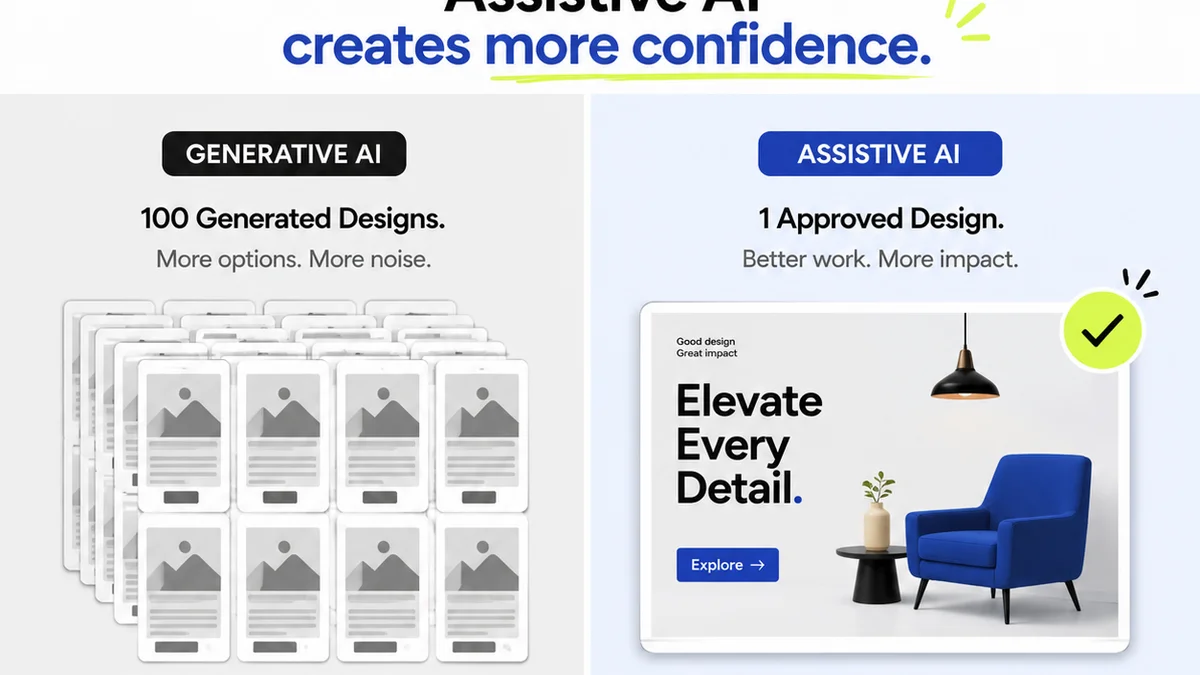
AI tools will continue to mature, but their role will solidify as assistants, not replacements. Think AI for generating layout variations, suggesting typographic pairings, or automating repetitive image edits.
The human element of creative direction, strategic thinking, and nuanced aesthetic judgment remains paramount.
Data-Driven Layouts
Publications will increasingly adapt to user data. This isn't just about A/B testing button colors. It's about dynamic content delivery and personalized reading experiences, even within static print or PDF formats.
Consider how a digital publication might subtly reorder articles based on a reader's past engagement. Or how a print layout could be generated with variable data, personalizing elements for specific audiences.
2. Navigating the Multichannel Deluge
The expectation for content to exist across multiple platforms simultaneously is only intensifying. Publication design in 2026 must account for this from the initial concept.
A design conceived solely for print will struggle on digital. A digital-first design might feel sparse or uninspired in print.
Platform Agnosticism
The goal is to create core design systems that can flex across print, web, mobile apps, and social media. This requires a robust understanding of each platform's unique requirements and opportunities.
Responsive Typography and Layouts
Typography choices, line lengths, and grid systems need to be inherently flexible. What works beautifully on a 27-inch monitor might be unreadable on a smartphone.
This involves:
- Using relative units for web layouts.
- Designing typographic hierarchies that scale.
- Testing designs on a wide range of screen sizes and devices.
Content Reusability
Think modular. Design assets and content blocks should be easily adaptable. A hero image for a website can be cropped for a social post. A long-form article can be broken down into digestible chunks for an email newsletter.
3. The Imperative of Accessibility
Accessibility is no longer a nice-to-have; it's a non-negotiable. Regulatory pressures and a growing awareness mean that inclusive design is a core requirement for any publication in 2026.
This affects everything from color contrast to semantic structure.
WCAG Compliance as a Baseline
Understanding and adhering to the Web Content Accessibility Guidelines (WCAG) is crucial. This applies to digital publications and increasingly influences best practices for print and static digital formats too.
Designing for Diverse Needs
Consider:
- Color contrast ratios for text and graphics.
- Clear and logical information architecture.
- Alternative text for all meaningful images.
- Keyboard navigation for digital interfaces.
- Readability for users with cognitive disabilities.
Beyond Compliance: Inclusive Design
True inclusive design goes beyond ticking boxes. It means creating experiences that are usable and enjoyable for as many people as possible, regardless of their abilities or circumstances.
4. Efficiency and Automation
The pressure to do more with less is constant. Publication design teams in 2026 will rely heavily on tools and processes that boost efficiency and automate repetitive tasks.
This isn't about cutting corners; it's about freeing up creative talent for higher-value work.
Templating and Design Systems
Robust design systems and well-structured templates are essential. They ensure brand consistency and drastically reduce the time spent on repetitive design elements.
Think:
- Reusable components for UI elements.
- Consistent typographic scales and color palettes.
- Pre-defined layouts for common content types.
Automated Workflows
Leverage tools to automate:
- Image resizing and optimization.
- Content population into templates.
- Version control and asset management.
- Basic proofreading and style checks.
Streamlined Feedback and Approvals
This is where technology can make a massive difference. Centralizing feedback, making it actionable, and tracking revisions reduces confusion and speeds up the approval process dramatically. Manual tracking is a relic.
Where Revue Fits In
Managing complex publication projects across multiple stakeholders and platforms requires a centralized hub. This is where tools like Revue become critical for modern creative teams.
Revue helps streamline the entire publication lifecycle:
- Centralized Feedback: All client comments, stakeholder input, and internal reviews live in one place, linked directly to the creative asset. No more hunting through endless email threads or chat logs.
- Revision Management: Track every iteration, compare versions, and maintain a clear audit trail of changes. This transparency is key to efficient collaboration and avoiding scope creep.
- Approval Workflows: Define clear approval stages and automate notifications, ensuring that projects move forward efficiently without bottlenecks.
- Quality Assurance: Use the platform to conduct final checks, ensuring all feedback has been addressed and the creative meets project requirements before final delivery.
By integrating these operational aspects, teams can focus more on the creative strategy and execution, rather than getting bogged down in administrative overhead.
Final Thought
The trends in publication design for 2026 are less about a radical aesthetic shift and more about a pragmatic evolution of the creative process. The agencies and in-house teams that thrive will be those that embrace integrated workflows, design for a multichannel reality, prioritize accessibility, and leverage technology to maximize efficiency.
Are you designing for the look of 2026, or are you building the workflow to create it?
Frequently asked questions
What is the most important publication design trend for 2026?
The most significant trend is the integration of design, content, and feedback workflows, moving away from silos towards concurrent creation and streamlined communication.
How does AI impact publication design in 2026?
AI will act as a co-pilot, assisting with tasks like layout generation and image editing, but human creative direction and strategic input remain essential.
Why is accessibility crucial for publication design in 2026?
Accessibility is a non-negotiable requirement due to regulatory pressures and a growing understanding of inclusive design. Adhering to WCAG standards and designing for diverse needs is paramount for both digital and print publications.
How can agencies improve efficiency in publication design?
Agencies can boost efficiency through robust design systems, templating, automation of repetitive tasks like image optimization and content population, and streamlined feedback and approval processes using dedicated platforms.