Everyone knows you need to check your e-commerce content before it goes live. Proofread for typos. Check that the price is right. Make sure the product image loads. None of that is wrong. But it’s incomplete.
The hard truth is that a superficial QA process leaves you vulnerable. Vulnerable to errors that cost sales, damage brand trust, and create compliance headaches. A truly effective publication QA checklist for e-commerce is about operational rigor. It’s about anticipating problems before they hit your customers.
1. Product Information Accuracy: The Foundation of Trust
This is where most checklists start and end. But it deserves a deep dive. Every single piece of product information needs to be verified against the source of truth. What is your source of truth? For e-commerce, it’s usually a PIM (Product Information Management) system, ERP, or a master spreadsheet. Whatever it is, stick to it.
Product Title Verification
Is the product title exactly as specified? Does it include essential keywords for SEO without sounding stuffed?
SKU and Variant Matching
Crucially, is the SKU correct? Does it match the product description, image, and any variant options (size, color, configuration)? A mismatch here is a direct route to returns and unhappy customers.
Pricing and Discounts
Verify the base price. Then, check any promotional pricing, discount codes, or bundle offers. Are they applied correctly? Is the sale end date accurate? Are there any hidden conditions?
Descriptions and Specifications
Cross-reference the product description and technical specifications against the master data. Look for:
- Correct dimensions, weight, materials.
- Accurate feature call-outs.
- Up-to-date compatibility information (e.g., software versions, accessory fits).
- Absence of outdated claims or promises.
Inventory and Availability
Is the stock status accurate? If it’s a pre-order, is that clearly stated? Are backorder notifications correct?
2. Visual Asset Quality and Consistency
Images and videos sell. They need to be perfect.
Image Resolution and Format
Are images high-resolution enough for zoom functionality but optimized for fast loading? Are they in the correct format (JPEG, PNG, WebP)?
Image Cropping and Consistency
Are all product images cropped to the same standard? Is the product centered and clearly visible? Are lifestyle shots distinct from product-only shots?
Alt Text and Accessibility
Every image needs descriptive alt text. This is crucial for SEO and for visually impaired users. Does the alt text accurately describe the image content? Follow WCAG guidelines for descriptive text.
Video Playback and Content
If videos are included, do they play correctly across different devices and browsers? Is the content accurate and consistent with the product description?
3. User Experience and Navigation
How does the product page function for the user? This is about more than just aesthetics.
Page Load Speed
A slow product page kills conversions. Test load times. Are images optimized? Is the code clean?
Mobile Responsiveness
Does the page render perfectly on smartphones and tablets? Is text readable? Are buttons tappable? Test on various screen sizes.
Call-to-Action (CTA) Clarity
Is the “Add to Cart” button prominent and easy to find? Is the language clear?
Related Products and Cross-sells
Are the recommended products relevant and correctly displayed? Are they actually related or just random items?
Breadcrumbs and Navigation
Are the breadcrumbs accurate, leading users back through the site hierarchy? Is the main navigation functional?
4. Legal, Compliance, and Policy Checks
This is the area where mistakes can lead to significant fines or lawsuits.
Disclaimers and Warnings
Are there necessary warnings (e.g., for children's products, hazardous materials, California Proposition 65)? Are they clearly visible?
Terms and Conditions Links
Are links to your Terms of Service, Privacy Policy, and Return Policy functional and pointing to the correct documents?
Intellectual Property
Are you using any third-party images, copy, or logos without proper licensing? This includes user-generated content if not properly managed.
Accessibility Compliance (WCAG)
Beyond alt text, are color contrast ratios sufficient? Is the site navigable via keyboard? Are form fields properly labeled? Aiming for WCAG 2.1 AA is a good benchmark.
5. SEO and Discoverability
Great content is useless if no one can find it.
Meta Title and Description
Are the meta title and description unique, compelling, and keyword-optimized for each product? Do they accurately reflect the page content?
URL Structure
Is the URL clean, descriptive, and SEO-friendly? Does it include relevant keywords?
Header Tags (H1, H2, etc.)
Is there a single, relevant H1 tag? Are subsequent headers used logically to structure content?
Internal Linking
Are there relevant internal links to other products, categories, or blog posts? Are they contextually appropriate?
Where Revue Fits In
Managing a comprehensive publication QA checklist, especially for large e-commerce catalogs, can feel overwhelming. This is where a centralized platform becomes invaluable.
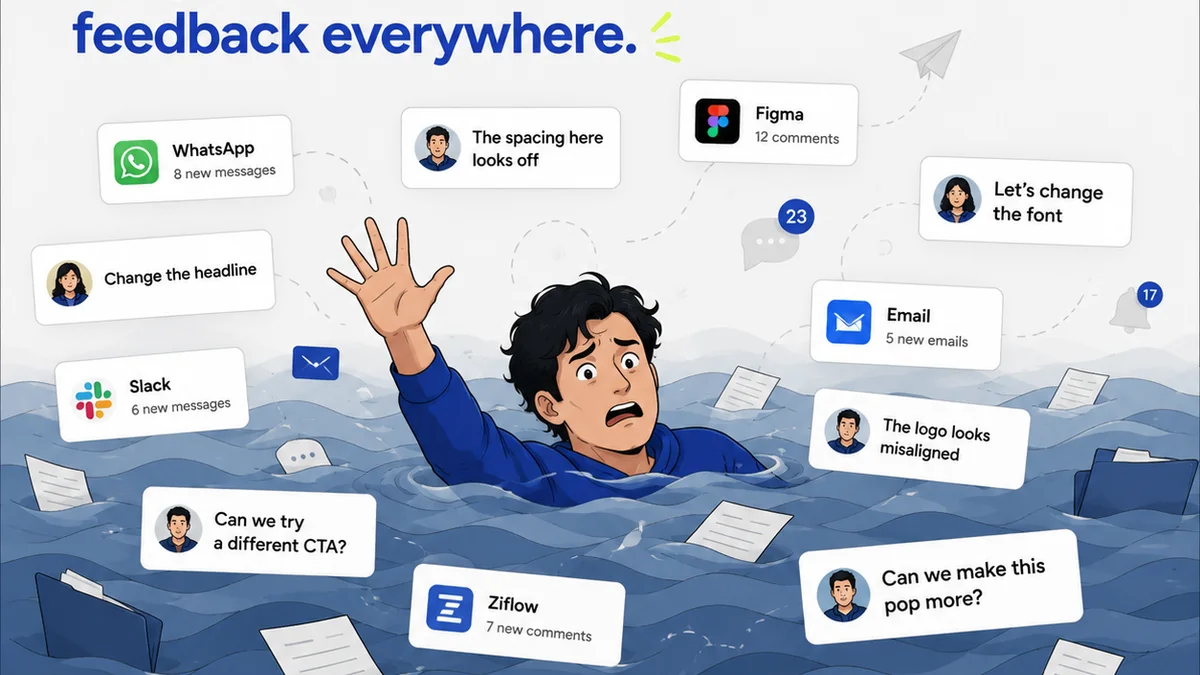
Revue helps streamline the entire creative review and approval process. Instead of chasing feedback across emails and chat threads, all comments and revisions are logged against specific assets or content pieces. This provides an audit trail for every decision.
For publication QA, this means:
- Centralized Feedback: All stakeholders provide feedback in one place, reducing miscommunication.
- Revision Visibility: Track every change made to product copy, images, or specs, ensuring nothing slips through the cracks.
- Clear Approvals: Get definitive sign-off on content before it goes live, minimizing last-minute errors.
- Quality Check Workflow: Build specific QA steps into your workflow, ensuring your checklist items are systematically addressed.
Imagine a world where your final QA step isn't a frantic email chain, but a quick review of a clear, documented approval within Revue. That’s operational efficiency.
Final Thought
Your e-commerce publication QA checklist is more than a list of tasks. It’s a strategic tool for protecting your revenue, your brand, and your customers. Are you treating it with the operational seriousness it deserves?
Frequently asked questions
What is the most critical part of an e-commerce publication QA checklist?
Product information accuracy is paramount. Errors in SKUs, pricing, or product details directly lead to customer dissatisfaction, returns, and lost revenue. Ensuring this foundation is solid prevents most common issues.
How often should I update my QA checklist?
Your QA checklist should be reviewed and updated at least annually, or whenever significant changes occur in your product catalog, marketing strategies, legal requirements, or technology stack. Continuous improvement is key.
Can a QA checklist help with SEO?
Absolutely. A comprehensive checklist includes verifying meta titles, descriptions, URL structures, header tags, and alt text, all of which are critical components for search engine optimization and discoverability.
What are the legal risks of poor e-commerce QA?
Poor QA can lead to legal issues such as non-compliance with advertising standards, failure to display necessary warnings (e.g., Proposition 65), improper use of intellectual property, and accessibility lawsuits if the site doesn't meet standards like WCAG.