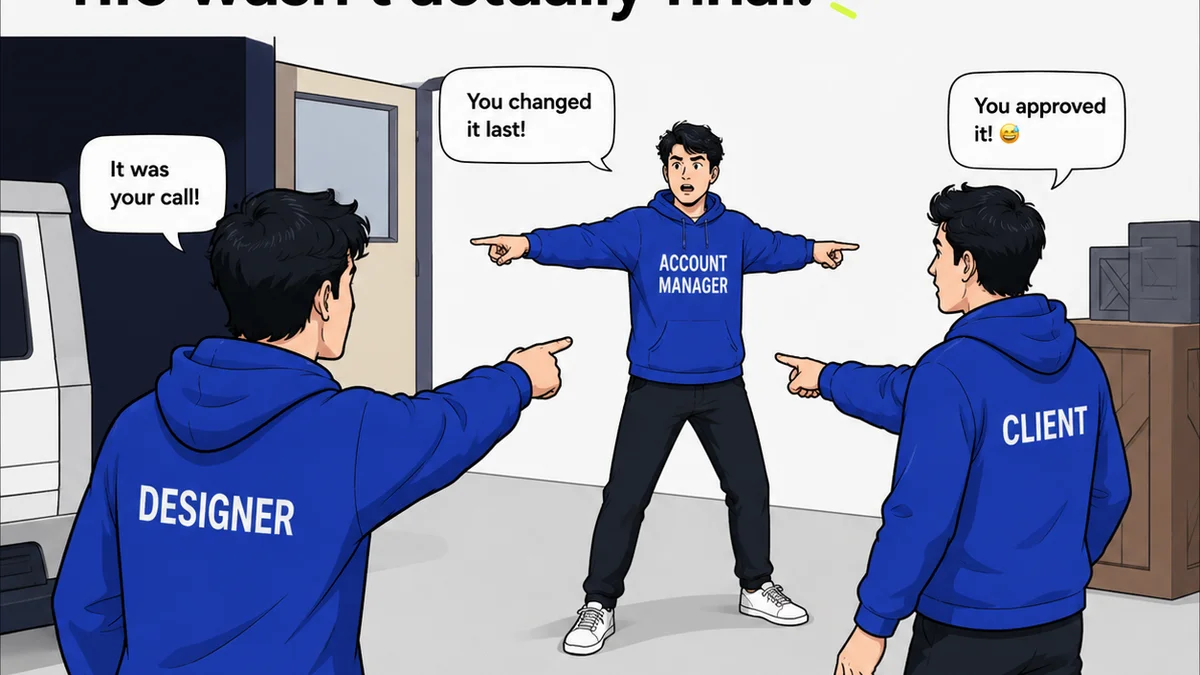
You think publication QA is just about catching typos. A final proofread before it goes live. That’s the conventional wisdom.
It’s not wrong. But it’s dangerously incomplete.
The real truth? Publication QA is a proactive, end-to-end process that prevents costly errors, protects your agency’s reputation, and ensures client satisfaction. It’s not a last-minute scramble; it’s a strategic imperative.
1. Treating QA as an Afterthought
Many teams relegate quality assurance to the very end of the project lifecycle. The final sign-off before launch or delivery.
This is where things go wrong. QA needs to be integrated from the start.
This means building checks and balances into every stage, not just tacking them on at the end.
The Symptoms of Late-Stage QA
- Last-minute, frantic fixes that introduce new errors.
- Missed deadlines due to unforeseen issues.
- Client frustration over easily preventable mistakes.
- Damaged brand reputation from public errors.
- Burnout for the team tasked with the final review.
When QA is an afterthought, it becomes a bottleneck. It’s a gatekeeper, not a quality builder.
2. Inconsistent Review Processes
Agencies often rely on tribal knowledge or ad-hoc methods for reviewing creative work before publication.
“John usually catches these things.” Or, “Let’s just have Sarah give it a quick look.”
This inconsistency is a ticking time bomb.
Why Ad-Hoc QA Fails
- Subjectivity: What one person catches, another might miss.
- Lack of Standardization: Different reviewers focus on different things.
- Oversight: Critical elements can be overlooked entirely without a checklist.
- Scalability Issues: This approach breaks down as your team and client load grow.
A standardized, documented QA process ensures that every piece of work, regardless of who reviewed it, meets a consistent standard of quality.
3. Neglecting Different Types of QA
Publication QA isn't a monolith. It encompasses several distinct areas, and ignoring any one of them is a mistake.
Too often, teams focus solely on content errors.
Key Areas of Publication QA
- Content Accuracy: Typos, grammatical errors, factual inaccuracies, outdated information.
- Brand Consistency: Adherence to brand guidelines (logos, colors, typography, tone of voice).
- Technical Functionality: Broken links, form errors, responsiveness across devices, loading speed.
- Usability & Accessibility: Ease of navigation, clear calls to action, compliance with accessibility standards (e.g., WCAG).
- Legal & Compliance: Adherence to privacy policies, disclaimers, regulatory requirements.
A comprehensive QA strategy addresses all these facets, ensuring a polished and professional final product.
4. Over-Reliance on Automated Tools
Automated tools are fantastic. Spell checkers, grammar bots, link checkers – they catch a lot.
But they are not a replacement for human oversight.
Automated tools lack context and nuance.
Limitations of Automation
- Contextual Understanding: AI can't grasp subtle brand voice or the intended emotional impact of copy.
- Visual Nuance: Tools can't judge aesthetic appeal, layout hierarchy, or the emotional resonance of imagery.
- User Experience: Automated tools don't truly simulate how a human user will interact with the final product.
- Complex Functionality: They struggle with intricate user flows or conditional logic.
Think of tools as your first line of defense, not your entire army.
5. Ineffective Feedback Loops
Even with a process, feedback can become a tangled mess.
Emails get lost. Comments on shared documents are scattered. Stakeholders provide conflicting notes.
This chaotic feedback environment is a breeding ground for errors.
Symptoms of Poor Feedback Loops
- Multiple versions of the same document with conflicting edits.
- Difficulty tracking who approved what and when.
- Misinterpretation of feedback leading to rework.
- Key stakeholders not seeing all the feedback.
Clear, centralized, and actionable feedback is crucial for efficient QA.
6. Inadequate Accessibility Checks
Accessibility is often an afterthought, or worse, completely ignored.
This is a huge mistake, both ethically and legally.
Ensuring your publications are usable by everyone, regardless of ability, is non-negotiable.
Why Accessibility QA Matters
- Inclusivity: Reaching a broader audience.
- Legal Compliance: Avoiding lawsuits related to discrimination.
- SEO Benefits: Search engines favor accessible content.
- Improved User Experience: Accessible design often leads to better usability for all users.
Standards like the Web Content Accessibility Guidelines (WCAG) provide a framework for ensuring digital inclusivity.
7. Forgetting the Post-Publication Audit
The job isn't done when it goes live.
What happens after publication is just as critical for continuous improvement.
This is where you learn what worked and what didn't.
Post-Publication Review Points
- Performance Monitoring: Track engagement, conversions, and user behavior.
- Error Reporting: Set up channels for users to report issues they find.
- Feedback Analysis: Review user comments and support tickets for recurring problems.
- Iterative Improvement: Use insights to plan updates and future content.
This feedback loop closes the circle, informing future projects and refining your QA process.
Where Revue Fits In
Managing creative projects and client feedback can quickly become overwhelming. Scattered emails, endless document versions, and unclear approval chains lead directly to QA nightmares.
Revue is built to solve these operational headaches.
By centralizing all client feedback, revision history, and approval status in one place, Revue brings clarity and accountability to your workflow.
This means your team can focus on creating great work, confident that every stakeholder’s input is captured, tracked, and acted upon. It streamlines the entire process, from initial concept to final publication, significantly reducing the chances of costly errors slipping through the cracks.
Final Thought
Publication QA is more than just a final check. It’s a fundamental aspect of delivering high-quality, effective creative work that satisfies clients and serves your audience.
Are you treating it as a strategic pillar, or just a final hurdle?
Frequently asked questions
What is publication QA?
Publication QA, or Quality Assurance, is the systematic process of reviewing creative work before it is published or delivered to clients. It involves checking for errors in content, design, functionality, and brand consistency to ensure the final output meets high standards and client expectations.
Why is QA often treated as an afterthought?
QA is frequently treated as an afterthought due to tight deadlines and budget constraints, leading teams to prioritize creation over review. However, this approach is counterproductive, as late-stage fixes are more costly and prone to introducing new errors.
How can agencies ensure consistent QA?
Agencies can ensure consistent QA by developing and implementing standardized checklists and documented processes. Training team members on these procedures and using a centralized platform for feedback and approvals also helps maintain uniformity across projects.
What are the key areas to check during publication QA?
Key areas include content accuracy (typos, grammar), brand consistency (logos, colors, tone), technical functionality (links, forms), usability and accessibility, and legal/compliance requirements. A comprehensive check covers all these aspects.
How do automated tools help with publication QA?
Automated tools are valuable for catching basic errors like typos, broken links, and grammatical mistakes quickly and efficiently. However, they cannot replace human judgment for assessing visual appeal, brand voice, user experience, or complex functional logic.