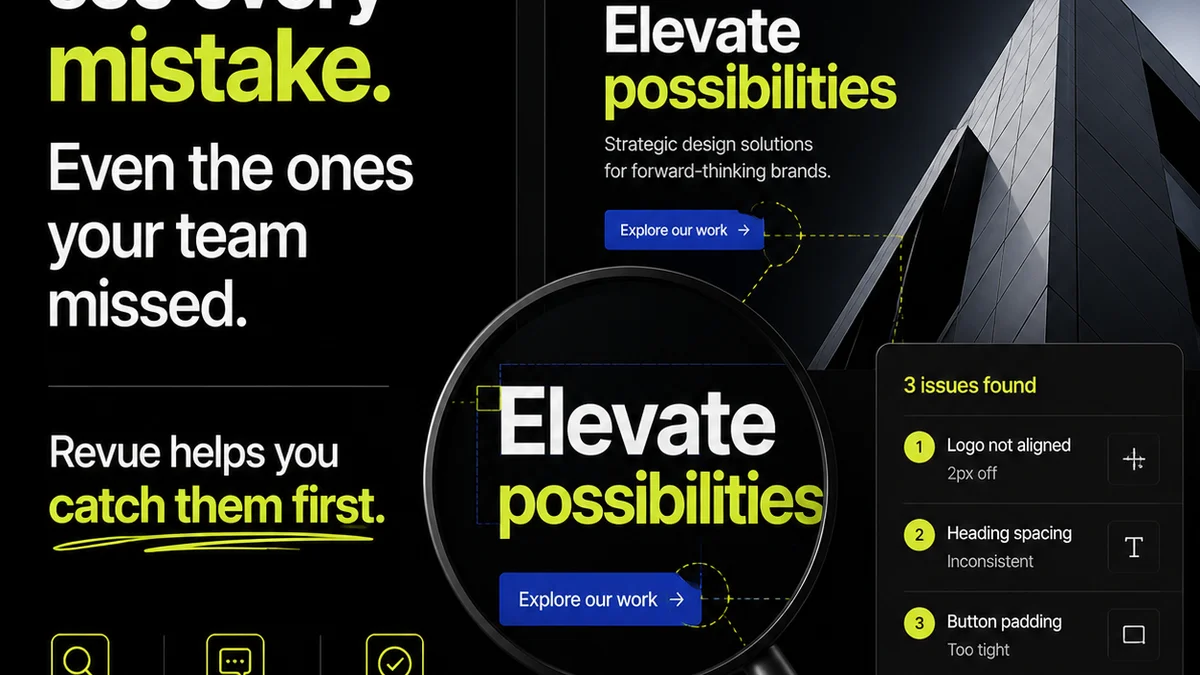
Everyone talks about publication QA software like it’s just a bug tracker. A digital notepad for missed deadlines and stray pixels. That’s not wrong. But it’s incomplete.
The hard truth? The best publication QA software isn’t just about finding errors. It’s about preventing them. It’s about clarity. It’s about making sure everyone involved—from designers to clients—is on the same page, *before* the final output.
1. The Illusion of Control: Why Basic Bug Trackers Fail
You’ve probably used a dozen bug tracking tools. Spreadsheets, Jira, Trello, even email chains. They’re fine for listing issues.
But they break down quickly when you’re managing complex projects with multiple stakeholders.
Consider the common symptoms:
- Feedback buried in email threads, lost forever.
- Clients approving versions they didn't actually see.
- Designers wasting hours chasing down ambiguous comments.
- QA teams finding the same issues repeatedly.
- Scope creep disguised as
Frequently asked questions
What is publication QA software?
Publication QA software is designed to help creative teams manage the quality assurance process for their digital or print outputs. This includes tracking feedback, managing revisions, and ensuring final deliverables meet all requirements before publication.
How does publication QA software differ from a simple bug tracker?
While bug trackers focus solely on identifying and logging defects, publication QA software offers a more holistic approach. It integrates feedback management, version control, and approval workflows, aiming to streamline the entire review cycle from initial concept to final sign-off.
Can publication QA software improve client communication?
Yes, effective publication QA software centralizes all client feedback in one place, providing a clear audit trail of comments and revisions. This transparency reduces miscommunication and ensures clients are aware of all changes made.
What are the key benefits of using dedicated publication QA tools?
Key benefits include reduced errors, faster revision cycles, improved client satisfaction through clear communication, better project visibility, and a more efficient overall creative workflow.