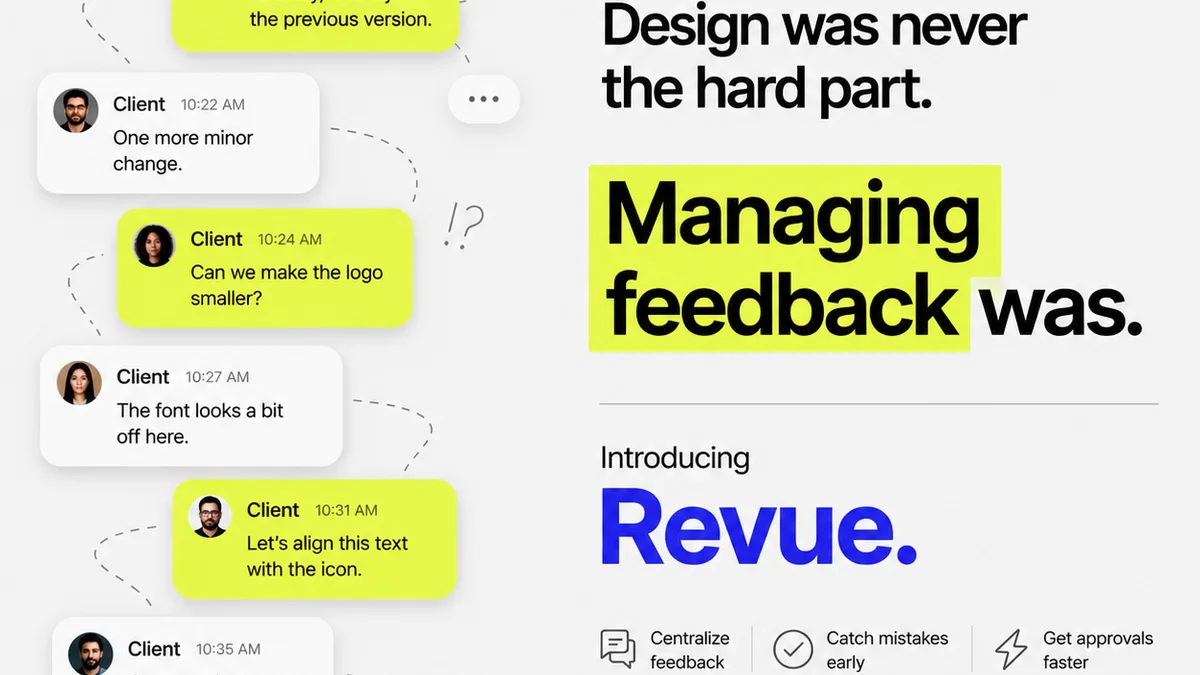
Everyone thinks a publisher proofing checklist is about catching typos. That’s the surface. It’s the obvious stuff. But it’s incomplete.
The real power of a proofing checklist lies in its ability to streamline the entire creative review and approval process, preventing costly delays and client friction. It’s less about grammar and more about operational sanity.
1. The Baseline: What *Not* to Miss
Yes, the basics matter. A final review must catch obvious errors. But relying solely on this is a trap.
Grammar and Spelling
This is table stakes. Use tools, but don't blindly trust them. Human eyes are still essential for context and nuance.
Brand Consistency
Is the logo correct? Are the brand colors used properly? Is the tone of voice on point?
Legal and Compliance
Disclaimers, copyright notices, regulatory requirements. These are non-negotiable and often overlooked until it’s too late.
Technical Accuracy
For digital assets: are links working? Are image resolutions appropriate? For print: is bleed set correctly? Are fonts embedded?
2. The Deeper Dive: Operational Pitfalls
This is where most agencies stumble. The checklist needs to address the *process* of proofing, not just the content.
Undefined Reviewers and Roles
Who is responsible for what? Client-side stakeholders often have unclear approval authority. This leads to conflicting feedback and scope creep.
A solid checklist defines:
- Primary approver
- Secondary reviewers (legal, marketing, etc.)
- Their specific areas of review (e.g.,
Frequently asked questions
What is the primary goal of a publisher proofing checklist?
While catching errors like typos and grammatical mistakes is crucial, the primary goal is to streamline the entire creative review and approval process. This prevents costly delays, reduces friction with clients, and ensures that final deliverables meet all technical, brand, and legal requirements before publication.
How does a proofing checklist help manage client feedback?
A well-structured checklist clarifies who is responsible for what feedback and when. It sets expectations for the review process, helping to avoid conflicting comments from different stakeholders and preventing scope creep by clearly defining the scope of each review stage.
Can a proofing checklist prevent scope creep?
Yes, by defining specific review stages, roles, and areas of responsibility, a checklist helps identify feedback that falls outside the agreed-upon scope. It provides a framework to address out-of-scope requests formally, rather than letting them derail the project.
What are the key components of a comprehensive proofing checklist?
A comprehensive checklist includes basic content checks (typos, grammar), brand consistency, legal/compliance requirements, and technical accuracy. Crucially, it also addresses process elements like defining reviewer roles, setting clear deadlines, establishing a single source of truth for feedback, and outlining the revision and approval workflow.