Everyone knows you need a checklist for publisher proofing. It’s a given. A box to tick. A formality before the client signs off.
None of that is wrong. But it’s incomplete.
The real power of a publisher proofing checklist isn’t just catching typos. It’s about building an unshakeable foundation for your creative output, preventing costly errors, and ensuring client satisfaction at scale.
The Hard Truth: Proofing is a Process, Not a Post-Mortem
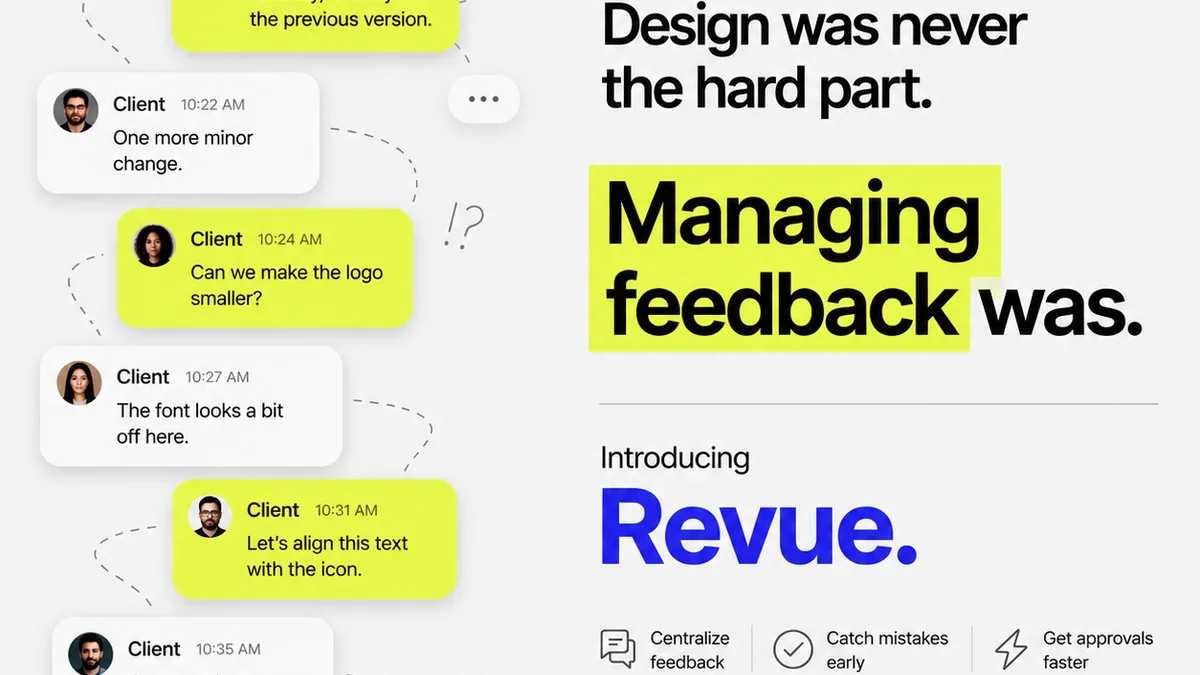
Most agencies treat proofing as the last step. A final sweep for errors before hitting send. This is reactive. It’s a frantic attempt to catch what slipped through.
The hard truth? Effective proofing is proactive. It’s integrated into the entire workflow, not tacked on at the end. It’s about preventing errors, not just finding them.
A well-defined proofing process, guided by a comprehensive checklist, minimizes subjective feedback loops and costly rework. It builds confidence, streamlines approvals, and ultimately protects your bottom line.
1. The Foundation: Setting the Stage for Flawless Proofing
Before anyone even looks at the creative, the groundwork must be laid. This means clarity on objectives, scope, and the actual deliverables.
Define the Deliverables Clearly
What exactly is being proofed? A single static image? A multi-page PDF? An interactive prototype? A video? Each has unique proofing needs.
Be explicit. Ambiguity here is the enemy of efficient proofing.
Establish the Proofing Team and Roles
Who is responsible for what? Design? Copy? Client stakeholder? Legal? Define these roles upfront.
- Primary Reviewer: The person with the deepest understanding of the brief and creative intent.
- Secondary Reviewer: Often a peer or manager for an objective second look.
- Client Approver: The ultimate decision-maker from the client side.
- Subject Matter Expert (if needed): For technical accuracy, legal compliance, etc.
Set Clear Approval Criteria
What constitutes a successful proof? What are the non-negotiables?
This isn't just about
Frequently asked questions
What is the primary goal of a publisher proofing checklist?
The primary goal is to systematically review creative assets for accuracy, consistency, and adherence to project requirements before final delivery or client approval. It aims to catch errors, ensure brand compliance, and streamline the feedback and approval process.
Who should be involved in the proofing process?
Involvement depends on the project, but typically includes the creative team (designer, copywriter), a project manager, and the client's designated approver. Subject matter experts (legal, technical) may also be involved for specific needs.
How can a proofing checklist improve client relationships?
By ensuring accuracy and reducing errors, a checklist demonstrates professionalism and attention to detail, leading to higher client satisfaction. It also sets clear expectations for the approval process, minimizing subjective feedback and potential disputes.
What are the key elements of a good proofing checklist?
A good checklist covers brand guidelines, copy accuracy (spelling, grammar, tone), visual elements (layout, imagery, color), technical specifications (file formats, dimensions), legal disclaimers, and calls to action. It should be tailored to the specific project deliverables.