Everyone thinks rebranding is about the logo. A fresh coat of paint, a snazzy new tagline. That’s the visible part, sure. But it’s not the whole story. Not even close.
The real work of rebranding happens beneath the surface. It’s about aligning every single touchpoint of your client’s business with a singular, evolved vision. It’s a complex operational challenge masquerading as a creative one.
1. The Strategic Foundation: Why Now?
Before a single pixel is designed, you need to answer the brutal question: Why are we doing this?
A rebrand isn't a vanity project. It’s a response to a market shift, a change in business strategy, a response to outdated perception, or a fundamental evolution of the company’s offering. Without a clear, compelling ‘why,’ the entire project is built on sand.
Defining the Core Problem
What’s broken? What’s no longer serving the business? Is the current brand identity:
- Misaligned with current business goals?
- Perceived as outdated or irrelevant?
- Confusing to the target audience?
- Failing to differentiate from competitors?
- Hindering market expansion?
These aren't creative problems; they're business problems that the brand needs to solve. Your rebranding strategy must be rooted in this diagnosis.
Identifying the Target Audience Evolution
Has the client’s ideal customer changed? Have their needs, desires, or behaviors shifted? A rebrand must resonate with the audience you *want* to reach, not just the one you *used* to reach.
Competitive Landscape Analysis
What are competitors doing? How is the client positioned relative to them? A rebrand can be an opportunity to carve out a distinct and defensible space in the market.
2. The Creative Brief: More Than a Wishlist
The creative brief is the blueprint. Too often, it’s a vague document filled with subjective desires. A great brief for a rebrand is a rigorous, data-informed strategy document.
It needs to clearly articulate the strategic foundation established in step one. It’s not just about aesthetics; it’s about the desired perception and the functional requirements of the new brand.
Mandatories and Constraints
What absolutely must be considered? This includes legal requirements, existing brand assets that must be retained (if any), and critical functional needs. For example, if the brand operates in a highly regulated industry, accessibility standards like those outlined by the WCAG are not optional.
Defining Brand Personality and Tone
Beyond keywords like ‘modern’ or ‘bold,’ what is the actual personality? If the brand were a person, who would it be? What is its voice? This informs everything from visual design to copywriting.
Visual and Verbal Identity Requirements
This section details the necessary deliverables: logo variations, color palettes, typography, imagery style, voice and tone guidelines, messaging pillars, and any other brand assets required.
3. The Design Process: Iteration and Alignment
This is where the visual and verbal elements come to life. But successful rebranding isn't about a single ‘aha!’ moment. It’s about disciplined iteration and constant client alignment.
The assumption is that designers just ‘create.’ The reality is that design is a problem-solving process, especially in a rebrand. Every decision must be justifiable against the strategic brief.
Concept Development
Explore multiple directions that address the brief’s core objectives. Don’t just present pretty pictures. Explain the strategic thinking behind each concept.
Feedback Loops: Structured, Not Subjective
Client feedback is crucial, but it can derail a project if not managed. Establish clear processes for feedback. Avoid open-ended questions like “What do you think?” Instead, ask specific questions tied to the brief: “Does this logo convey authority?” “Does this color palette feel accessible?”
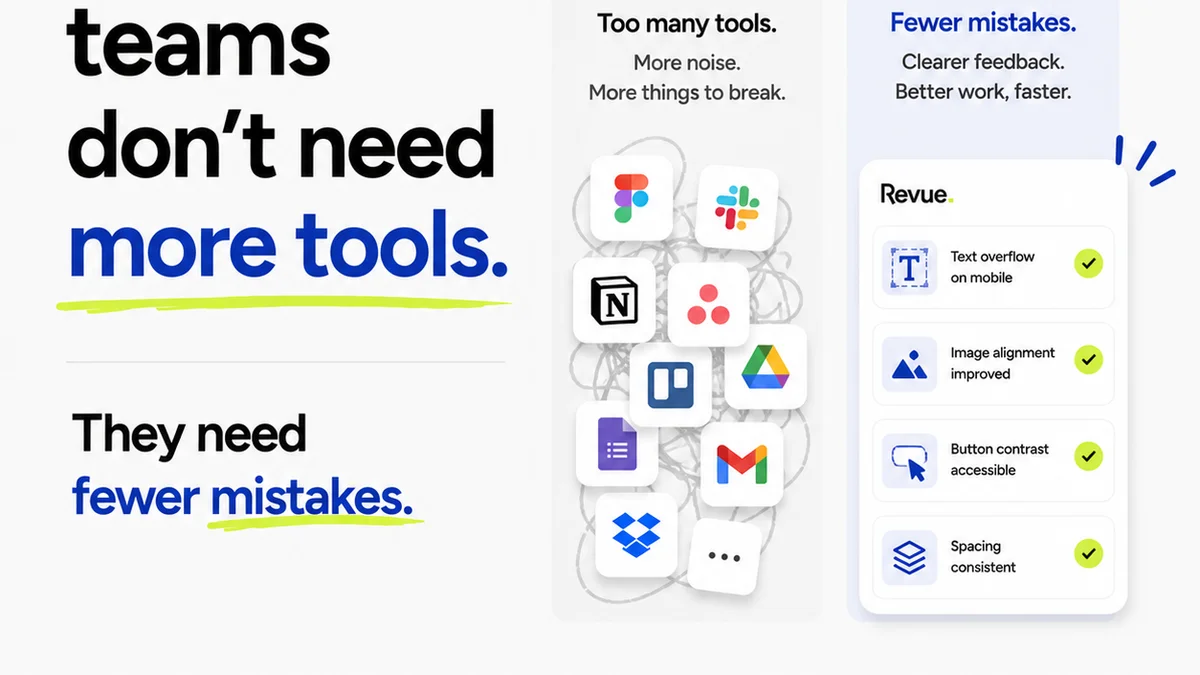
This is where tools that centralize feedback become invaluable. Scattered email chains and Slack messages lead to missed comments and conflicting directives. Centralized platforms ensure all feedback is captured, organized, and actionable.
Refinement and Polishing
Based on structured feedback, refine the chosen direction. This involves detailed work on logos, color systems, typography, and ensuring consistency across all applications.
4. The Implementation Strategy: Beyond the Launch
A rebrand is officially launched when the new assets go live. But the *real* work of embedding that new brand into the organization is just beginning.
This is the operational heavy lifting that most clients underestimate. A beautiful new brand identity is useless if it’s not consistently applied everywhere.
Asset Creation and Rollout Plan
Develop a comprehensive plan for updating all touchpoints: website, social media, marketing collateral, internal documents, signage, merchandise, email signatures, and more. Prioritize based on impact and visibility.
Brand Guidelines: The Operational Manual
A robust brand guideline document is essential. It’s not just a PDF of pretty pictures; it's the operational manual for using the brand correctly. It must be clear, comprehensive, and accessible.
These guidelines should cover:
- Logo usage (clear space, minimum size, correct variations)
- Color palettes (primary, secondary, accessibility considerations)
- Typography (fonts, hierarchy, usage examples)
- Imagery and illustration style
- Tone of voice and messaging examples
- Application examples (e.g., how to use the brand on a website, in a presentation)
Think of it as the single source of truth for everyone interacting with the brand.
Internal Training and Buy-in
Ensure all internal teams understand the new brand and how to use it. This requires training sessions, accessible resources, and leadership endorsement.
Measuring Success
How will you know if the rebrand is successful? Define key performance indicators (KPIs) upfront. These might include:
- Brand perception surveys
- Website traffic and engagement
- Social media sentiment
- Lead generation and conversion rates
- Employee understanding and adoption of the brand
5. Where Revue Fits In
Managing a rebrand is an exercise in managing complex feedback and ensuring consistent application across numerous deliverables and stakeholders. It’s a workflow challenge.
Revue is built for exactly this kind of project. Centralizing all client feedback within a single platform eliminates confusion and ensures everyone is working from the same playbook. Tracking revisions and approvals provides a clear audit trail, crucial for managing scope and client expectations.
When it comes to applying the new brand consistently, visibility is key. Revue helps ensure that every piece of creative work, from initial concepts to final assets, goes through a structured review process, minimizing the risk of off-brand elements slipping through.
Final Thought
A successful rebrand is more than a visual refresh. It’s a fundamental shift in how a business presents itself to the world, underpinned by strategic clarity and meticulous operational execution. Are you prepared to manage the complexity, or are you just hoping for a pretty new logo?
Frequently asked questions
What is the most critical phase of a rebranding project?
The strategic foundation. Without a clear 'why' rooted in business objectives and market understanding, the subsequent creative and implementation phases lack direction and purpose. It's the bedrock upon which the entire rebrand is built.
How can agencies manage client feedback effectively during a rebrand?
Establish structured feedback processes from the outset. Use a centralized platform like Revue to collect all comments, ensuring clarity and an audit trail. Ask specific, brief-aligned questions rather than open-ended ones to guide feedback towards strategic goals.
What are the key components of a comprehensive brand guideline document?
A strong brand guideline document includes logo usage, color palettes, typography rules, imagery style, tone of voice, messaging pillars, and clear examples of application across various media. It serves as the operational manual for consistent brand use.
How do you measure the success of a rebrand?
Success is measured against predefined KPIs. This can include brand perception surveys, changes in website engagement, social media sentiment analysis, lead generation improvements, and internal adoption rates of the new brand identity.