Everyone thinks rebranding is about a new logo and a fresh coat of paint. That’s not wrong. But it’s incomplete.
The real cost of rebranding isn’t just the design fees. It’s the operational overhead, the internal alignment, and the potential disruption to your business. Agencies often focus on the creative output, but for a business owner, the cost is far more comprehensive.
1. The Visible Costs: What You See on the Surface
This is the part everyone talks about – the tangible expenses that hit your invoice. These are the elements that make up the bulk of what you’ll budget for upfront.
Brand Strategy & Research
Before any design work begins, deep dives into market positioning, competitor analysis, and target audience understanding are critical. This phase sets the foundation for everything that follows. Skipping it is a false economy.
Visual Identity Design
This includes the logo, color palettes, typography, and overall visual language. It’s the most visible output of a rebrand.
Messaging & Copywriting
Developing a new brand voice, tagline, key messaging, and website copy. This ensures your brand communicates consistently and effectively.
Website Redesign & Development
Often a significant portion of the budget, especially if the brand’s digital presence needs a complete overhaul.
Marketing Collateral
Everything from business cards and brochures to social media templates and presentation decks needs updating.
Signage & Physical Assets
For brick-and-mortar businesses, this includes updating storefronts, vehicle wraps, and interior branding.
Legal Fees
Registering trademarks, updating contracts, and ensuring all legal documentation reflects the new brand.
2. The Hidden Costs: The Operational Ripple Effect
These are the costs that don’t appear on an agency’s invoice but are very real for your business. They often catch companies off guard.
Internal Time & Resources
Your team will spend countless hours in meetings, providing feedback, and implementing the new brand internally. This is time away from their core responsibilities.
Asset Auditing & Migration
Identifying every place your old brand exists – from old marketing materials to digital assets – and systematically replacing them. This is a monumental task.
Software & Tool Updates
Updating brand assets across all your software, from CRM and marketing automation platforms to design tools and internal communication apps.
Training & Onboarding
Educating your team on the new brand guidelines, voice, and visual identity. This ensures consistent application across the organization.
Inventory Write-offs
Any physical inventory (packaging, merchandise) with the old branding might need to be discarded or heavily discounted.
Potential Downtime or Disruption
During a major website relaunch or a phased rollout of new physical assets, there can be periods of reduced efficiency or customer confusion.
Reputation Management
If the rebrand is poorly executed or perceived negatively, managing public perception can become a significant, unplanned cost.
3. The Strategic Costs: Long-Term Investment vs. Short-Term Expense
A rebrand is not just a cosmetic change; it’s a strategic move. The ‘cost’ here is about the potential return on investment and the long-term impact.
Market Positioning Shift
Are you moving into a new market segment? Targeting a different demographic? The cost here is the strategic pivot itself, and the investment required to capture that new audience.
Talent Acquisition & Retention
A strong, modern brand can attract better talent. Conversely, an outdated brand can deter potential hires. This is an investment in your human capital.
Partnership & Investor Relations
A rebrand can signal growth, innovation, or a renewed focus, making your company more attractive to investors and strategic partners.
Customer Loyalty & Acquisition
A rebrand that resonates with your target audience can strengthen loyalty and attract new customers who align with your updated values and offerings.
Avoiding Obsolescence
The cost of *not* rebranding can be far greater – losing relevance in a dynamic market. This is the cost of staying competitive.
4. Budgeting for Your Rebrand: A Practical Framework
How do you actually put a number on this? It starts with clarity on your goals.
Define Your Scope
What exactly needs to change? A full overhaul or a refresh? Be brutally honest about what’s driving the need for change.
Prioritize Initiatives
Not everything can happen at once. Categorize needs by urgency and impact. A phased approach can manage costs and minimize disruption.
Get Detailed Quotes
For visible costs, get granular. Break down agency proposals by phase and deliverable. Understand what’s included and what’s not.
Factor in Internal Capacity
Realistically assess your team’s bandwidth. Will you need to hire temporary staff or outsource specific implementation tasks?
Build a Contingency Fund
Assume the unexpected will happen. A 15-20% buffer is wise for unforeseen issues and scope creep.
Consider the ROI
Frame the rebrand not as an expense, but as an investment. What are the projected gains in market share, customer acquisition, or operational efficiency?
Where Revue Fits In
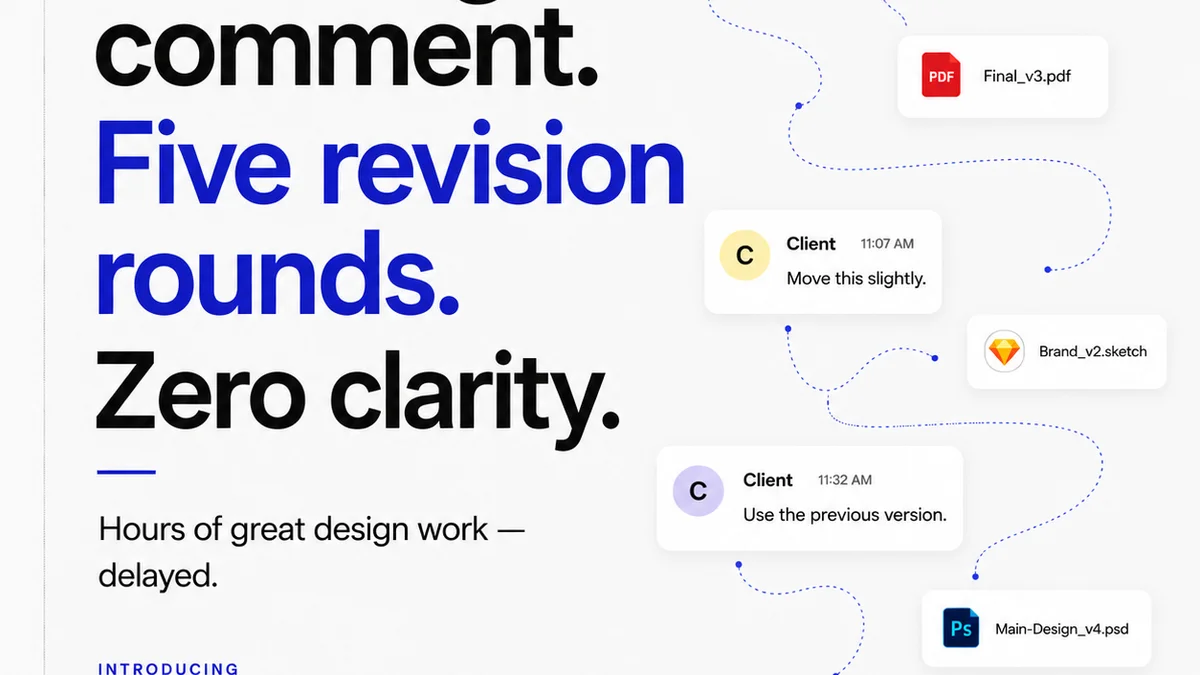
Managing the rebrand process itself can be chaotic. A central hub for all creative feedback, revisions, and approvals is crucial. Revue helps streamline this by:
- Centralizing Feedback: All client and stakeholder comments on design mockups, website iterations, and marketing materials live in one place. No more chasing down emails or deciphering Slack messages.
- Tracking Revisions: Easily see what feedback has been addressed, what’s pending, and who is responsible. This transparency is key to keeping the project on track and within budget.
- Streamlining Approvals: Formal sign-offs happen within the platform, creating a clear audit trail and reducing the risk of miscommunication that can lead to costly rework.
- Ensuring Quality Control: Before final asset delivery, a structured review process helps catch errors and ensure brand consistency across all touchpoints, preventing downstream issues.
A smooth rebrand process means less wasted time and fewer expensive mistakes.
5. Real-World Cost Considerations (Without Inventing Numbers)
The cost of a rebrand varies wildly. A small business refreshing its logo might spend a few thousand dollars. A mid-sized company undergoing a full brand transformation, including a website overhaul and new collateral, could easily invest tens of thousands, if not hundreds of thousands, over several months.
Larger corporations undertaking complex global rebrands with extensive internal and external rollout plans can see budgets stretching into the millions.
Key factors influencing cost:
- Agency Size & Reputation: Top-tier agencies command higher fees.
- Project Complexity: The number of deliverables and the depth of research required.
- Scope of Work: How many touchpoints are being rebranded?
- Geographic Location: Agency rates vary by region.
- Internal vs. External Resources: How much work is your team handling?
Final Thought
A rebrand is a significant undertaking, both financially and operationally. It’s easy to focus solely on the immediate creative costs. But the true expense lies in the meticulous planning, the internal execution, and the strategic vision that underpins the entire effort.
Are you prepared to invest in the entirety of your brand’s future, or just its new look?
Frequently asked questions
What is the average cost of a rebrand for a small business?
For a small business, a logo refresh or minor brand update might range from $2,000 to $10,000. A more comprehensive rebrand involving strategy, new visual identity, and website updates could push this into the $15,000 - $50,000+ range, depending on the scope and the agency involved.
What are the hidden costs of rebranding I should be aware of?
Hidden costs include internal team time spent on the project, costs associated with updating all company assets (digital and physical), potential inventory write-offs, training your staff on new brand guidelines, and the risk of temporary operational disruption or reputation management needs if the rebrand isn't well-received.
How long does a typical rebrand take?
A rebrand can take anywhere from 3 months for a simple refresh to 12 months or more for a comprehensive transformation, especially if it involves significant strategic shifts, market research, and a full website overhaul. The timeline is heavily dependent on the project's complexity and the client's decision-making speed.
Is a rebrand always necessary?
A rebrand is necessary when your current brand no longer accurately reflects your company's mission, values, or market position, or if it's become outdated and hindering growth. It's not just about aesthetics; it's a strategic tool to reconnect with your audience, attract new customers, and stay competitive.