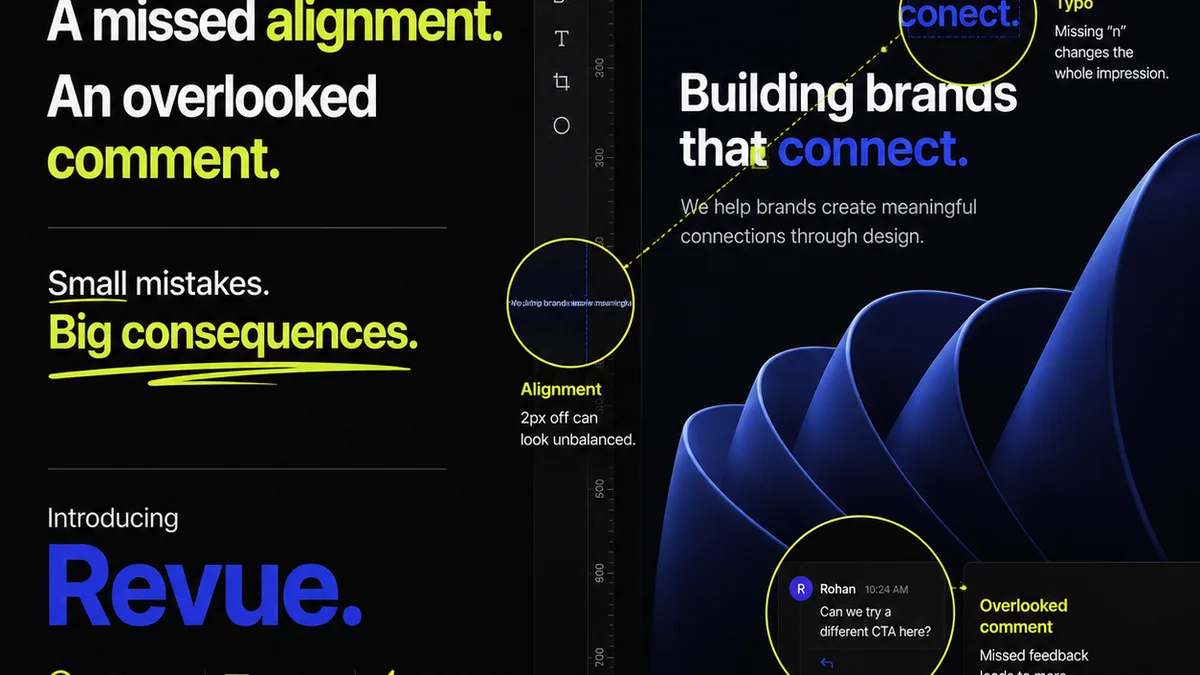
Everyone talks about remote work. They tout the flexibility, the cost savings, the access to global talent. And none of that is wrong. But it’s incomplete.
The hard truth about remote creative teams? Maintaining brand governance is exponentially harder. Without the casual hallway conversations and the shared physical space, keeping everyone aligned on brand guidelines, assets, and messaging becomes a constant, uphill battle.
1. The Illusion of Centralized Assets
Many teams assume a shared drive or a cloud storage service is enough for brand assets. Think Google Drive, Dropbox, or even a basic DAM (Digital Asset Management) system.
This is where many remote teams falter. These tools are great for storage, but they don't inherently enforce governance.
The Problem with Simple Storage
- Version Control Nightmares: Which logo file is the latest? Which color palette is approved for digital use? Without strict controls, outdated versions proliferate.
- Asset Bloat: Unused, unapproved, or irrelevant assets clutter the system, making it harder to find what’s needed.
- Lack of Context: Users don't know *why* an asset exists, *how* it should be used, or *when* it was last updated.
- Permissions Chaos: Who can upload? Who can download? Who can edit? Simple systems often have crude permission settings that don't map to actual roles.
This leads to inconsistent application of brand elements across campaigns, websites, and marketing materials. It's a slow bleed of brand integrity.
2. Guidelines That Gather Dust
Brand guidelines are the bedrock of governance. For remote teams, they need to be more than a PDF buried in a folder.
A static guideline document is easily ignored. It’s a reference, not an active part of the workflow.
Making Guidelines Actionable
Effective remote brand governance requires guidelines that are:
- Accessible: Easy to find, search, and navigate from anywhere.
- Interactive: Not just text and images, but examples, do's and don'ts, and even interactive elements.
- Living Documents: Regularly updated and clearly communicated.
- Integrated: Ideally, linked directly from the tools where creative work is done.
Tools like Adobe Sensei (for AI-powered creative tools) or comprehensive style guide platforms can help, but the real win is making them part of the daily workflow, not an afterthought.
3. Communication Gaps and Misinterpretations
Remote work amplifies communication challenges. Feedback loops can become sluggish, and nuances get lost in translation, especially across different time zones.
This directly impacts brand consistency. A quick Slack message might not capture the full context of a design revision, leading to errors.
Bridging the Communication Divide
- Centralized Feedback: All feedback on creative assets should live in one place, tied directly to the asset itself.
- Clear Revision History: Track who requested what change, when, and why.
- Approval Workflows: Formalize the sign-off process so there's no ambiguity about what's approved.
- Contextual Notes: Encourage reviewers to provide specific, actionable feedback linked to the exact element being discussed.
This structured communication prevents assumptions and ensures everyone is working from the same understanding of project requirements and brand standards.
4. Quality Control on Autopilot? Not Quite.
The final check before a campaign goes live is critical. For remote teams, this quality control (QC) step can feel like a bottleneck, or worse, be skipped entirely.
Relying on individuals to
Frequently asked questions
What are the biggest challenges in remote brand governance?
The main challenges include maintaining version control for assets, ensuring brand guidelines are accessible and followed, bridging communication gaps for feedback and revisions, and implementing consistent quality control processes across distributed teams.
How can I ensure my remote team uses the correct brand assets?
Use a centralized Digital Asset Management (DAM) system with robust version control, clear naming conventions, and permission settings. Integrate this system with your creative workflow to make approved assets easily discoverable and accessible.
What makes brand guidelines effective for remote teams?
Effective guidelines are more than static PDFs. They should be easily searchable, interactive, updated regularly, and integrated directly into the tools your team uses daily for feedback and asset management. Think living, breathing resources.
Can a single tool solve all remote brand governance issues?
While no single tool is a magic bullet, integrated platforms that combine asset management, feedback, revision tracking, and approval workflows can significantly streamline brand governance for remote teams. Tools like Revue aim to centralize these critical functions.