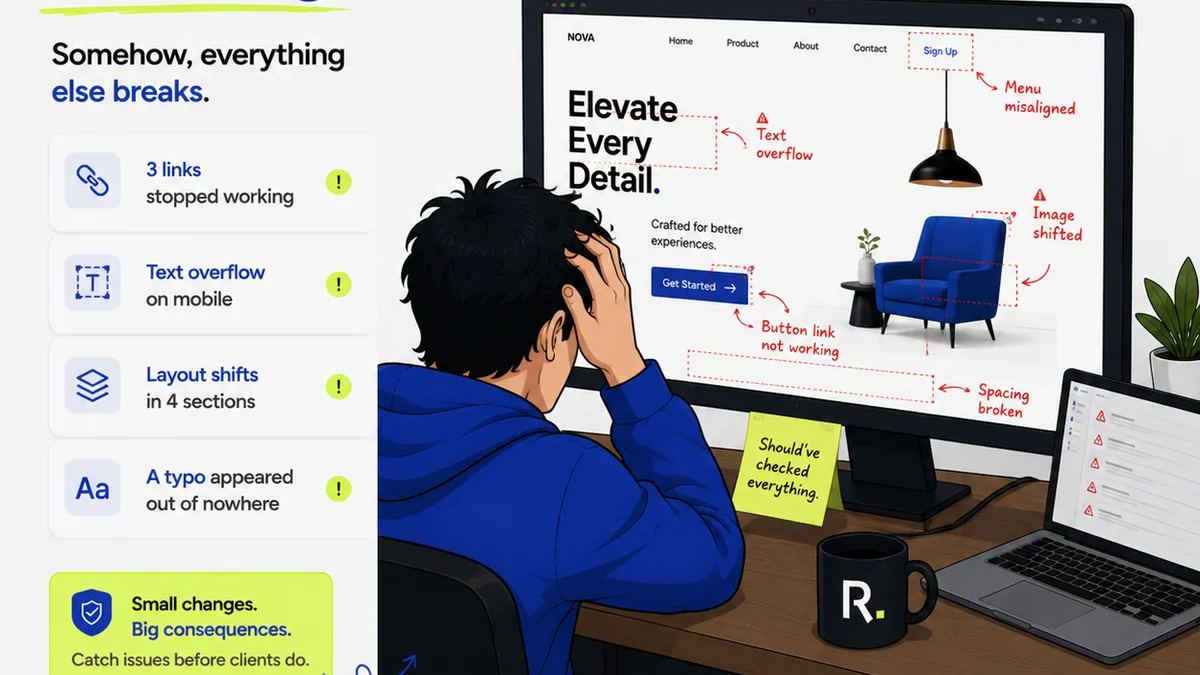
Everyone thinks managing remote design feedback is just about sending clear emails and having good video calls. That’s part of it, sure. But it’s not the whole story. It’s like saying a car runs on just gasoline. You need the engine, the transmission, the wheels, and a driver who knows how to operate them all.
The hard truth about remote design feedback is that it’s not about the tools you use, but the *process* you build around them. Without a structured system, even the best intentions get lost in translation, leading to endless revisions and frustrated clients.
1. Defining Clear Feedback Parameters
What does
Frequently asked questions
What is the biggest challenge with remote design feedback?
The biggest challenge is the lack of immediate, contextual clarity. Without being in the same room, it's harder to gauge nuance, understand the 'why' behind a comment, or quickly iterate on a thought. This necessitates a more structured approach to feedback capture and communication than in-person reviews.
How can I ensure feedback is actionable?
Actionable feedback needs to be specific, clear, and tied to project goals. Use a checklist to prompt reviewers for details like 'What specifically needs changing?', 'Why is this change necessary?', and 'How does this align with the brief?' This moves beyond vague comments like 'I don't like it.'
What's the role of a checklist in remote feedback?
A checklist standardizes the feedback process, ensuring all critical areas are covered consistently. It helps reviewers think critically, prompts for necessary context, and provides a clear record of discussions and decisions, reducing ambiguity and misinterpretation.
How does a centralized platform help with remote feedback?
A centralized platform like Revue consolidates all feedback, versions, and approvals in one place. This eliminates the need to hunt through emails or disparate documents, providing a single source of truth and a clear audit trail, which is crucial for remote collaboration.