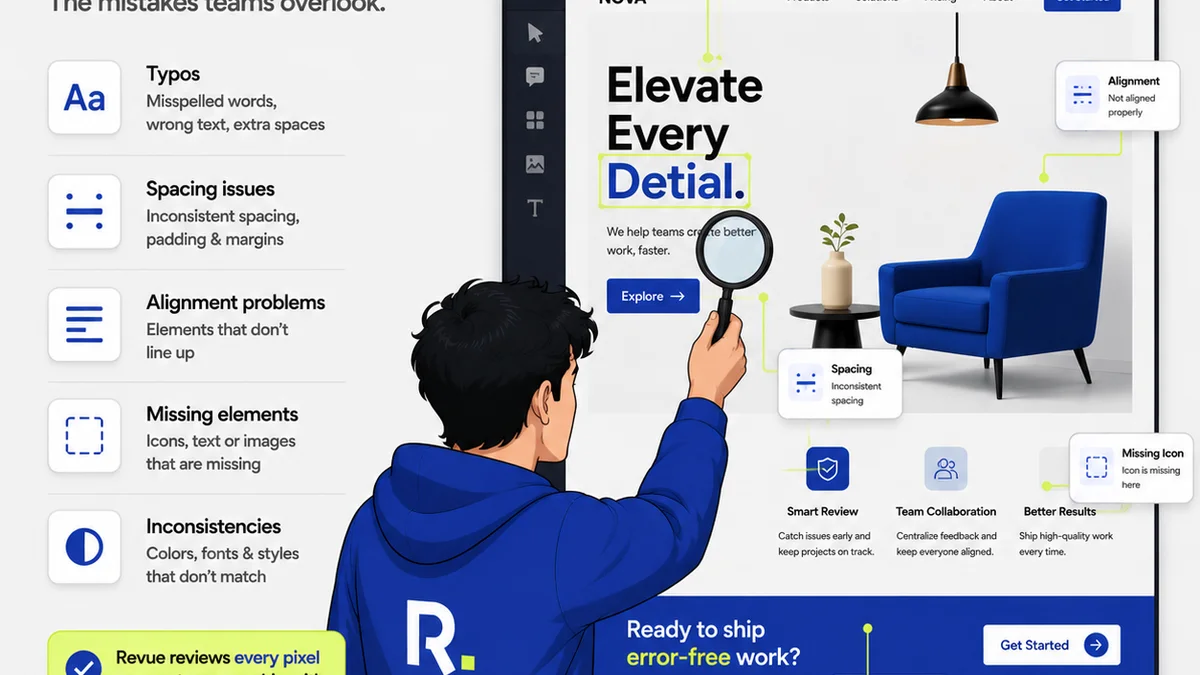
Everyone thinks running effective design reviews for remote teams is about mastering video conferencing. Find the right lighting. Get a good microphone. Schedule them at sensible times. None of that is wrong. But it’s incomplete.
The hard truth? Your remote design review process is probably broken if it relies solely on synchronous communication. You’re wasting time, losing clarity, and frustrating creatives. The real win is a structured approach that works asynchronously, minimizing meetings and maximizing actionable feedback.
1. The Assumption: More Meetings = Better Feedback
It’s tempting to schedule more meetings when your team is scattered. More face time, more discussion, right? That’s the assumption: that real-time equals real clarity.
It’s often the opposite.
Meetings are a bottleneck. They demand everyone’s simultaneous attention. They’re prone to tangents. And they create a single point where feedback can get lost or misinterpreted if not meticulously documented.
The Reality: Asynchronous Wins
The most efficient creative teams operate with a strong asynchronous workflow. This means work is reviewed and commented on when individuals have the focus and time to do so, rather than being forced into a collective block.
This isn’t about avoiding collaboration. It’s about structuring it intelligently.
- Reduces meeting fatigue.
- Allows for focused, uninterrupted work.
- Creates a clear, documented trail of feedback.
- Accommodates different time zones and working styles.
A remote design review checklist isn't about *more* meetings; it's about *smarter* feedback loops.
2. Building Your Remote Design Review Checklist
A checklist standardizes the review process. It ensures everyone knows what to look for and how to provide feedback. This is crucial for remote teams where informal hallway conversations or quick desk-side check-ins aren't possible.
Pre-Review Setup: The Foundation
Before any review even begins, the groundwork must be solid. This minimizes confusion and wasted time during the review itself.
- Clear Brief: Does the creative work directly address the brief? Is the brief itself clear, concise, and accessible?
- Defined Objectives: What specific outcomes should this review achieve? Are we looking for aesthetic approval, functional sign-off, or strategic alignment?
- Scope of Review: What aspects of the design are up for feedback? (e.g., UI, copy, UX flow, brand consistency). What is out of scope for *this* particular review?
- Target Audience: Who is this design for? Is the work resonating with them?
- Key Stakeholders Identified: Who needs to provide feedback? Who has final approval?
- Deliverables Ready: Is the asset in the correct format, resolution, and ready for review without technical hurdles? (e.g., interactive prototype, high-res PDF, video walkthrough).
During the Review: The Core Checklist Items
This is where the detailed evaluation happens. Whether asynchronous or synchronous, these points ensure thoroughness.
- Alignment with Brief & Objectives: Does the design meet the stated goals?
- User Experience (UX): Is the flow intuitive? Are there usability issues? Is it accessible? (Consider WCAG guidelines).
- User Interface (UI): Is the visual design consistent? Is the hierarchy clear? Are interactive elements obvious?
- Brand Consistency: Does it adhere to brand guidelines (colors, typography, tone of voice)?
- Content Accuracy & Tone: Is the copy correct? Does it match the brand's voice?
- Technical Feasibility: Can this be built within constraints? Are there performance implications?
- Accessibility Check: Are color contrast ratios sufficient? Is it navigable via keyboard? Are there alt texts for images?
- Cross-Platform/Device Consistency: Does it function and look good across intended devices and browsers?
- Call to Action (CTA) Clarity: Is the primary action clear and compelling?
- Overall Impact & Effectiveness: Does it achieve its intended purpose? Does it look and feel professional?
Post-Review Actions: Closing the Loop
The review isn't over until feedback is actioned and confirmed.
- Consolidated Feedback: Is all feedback gathered in one place?
- Actionable Insights: Is the feedback specific, clear, and constructive? Avoid vague comments like “make it pop.”
- Prioritization: Are critical issues flagged and prioritized over minor suggestions?
- Revision Plan: What are the next steps? Who is responsible? What is the timeline?
- Confirmation of Understanding: Has the creative team confirmed they understand the feedback and the planned revisions?
- Final Approval: Is there a clear sign-off process once revisions are complete?
3. Structuring Asynchronous Reviews for Remote Teams
This is where many remote teams stumble. They try to force asynchronous work into a meeting format. That’s a mistake.
The Tool Matters
You need a platform that supports rich annotation and clear communication. Email chains and shared docs are too clunky. A dedicated tool allows stakeholders to comment directly on the design asset itself.
Think about tools that support:
- Visual annotation (pinning comments directly on the design).
- Version control (tracking revisions and feedback on each iteration).
- Clear assignment of feedback to specific team members.
- Status tracking (e.g., Pending Review, Needs Revision, Approved).
The Process Flow
Here’s a typical asynchronous flow:
- Designer Uploads: Designer uploads the latest version of the creative asset to the review platform.
- Notification Sent: Relevant stakeholders are notified that a review is ready.
- Review Period: Stakeholders have a defined window (e.g., 24-48 hours) to provide feedback using the checklist criteria.
- Feedback Consolidation: The project manager or lead consolidates feedback, ensuring clarity and removing redundancy. Critical issues are flagged.
- Designer Action: Designer reviews consolidated feedback, asks clarifying questions asynchronously if needed.
- Revisions: Designer makes revisions based on approved feedback.
- New Version Upload: Designer uploads the revised version, and the cycle repeats for necessary sign-offs.
This structured loop ensures that feedback is captured, understood, and acted upon without requiring everyone to be online simultaneously.
4. Common Pitfalls in Remote Design Reviews
Even with a checklist, remote reviews can go sideways. Be aware of these traps.
Vague Feedback
Comments like “I don’t like it” or “Make it better” are useless. The checklist should prompt for specifics.
Feedback Overload
Too many cooks can spoil the broth. Ensure only necessary stakeholders provide feedback. A clear review scope helps here.
Lack of Accountability
Who is responsible for providing feedback? Who is responsible for actioning it? Without clear ownership, things slip.
Ignoring Accessibility and Usability
These are often afterthoughts. Build them into your checklist from the start. The Web Content Accessibility Guidelines (WCAG) are essential reading.
Treating Feedback as Edits
Feedback should guide the designer, not dictate pixel-perfect changes unless absolutely necessary. Empower your designers.
5. Where Revue Fits In
Managing this complex feedback loop for remote teams is precisely why tools like Revue exist. Trying to juggle feedback across emails, Slack messages, and disparate documents is a recipe for disaster.
Revue centralizes client feedback, making it easy to track comments, revisions, and approvals in one place. This means:
- Centralized Feedback: All comments are logged against specific design versions, eliminating lost feedback.
- Clear Revision History: See every iteration and the feedback tied to it, providing context and preventing scope creep.
- Streamlined Approvals: Track who has approved what and when, ensuring clear sign-off and reducing bottlenecks.
- Quality Assurance: Use the structured feedback process to ensure designs meet project requirements and brand standards before final delivery.
This level of organization is non-negotiable for efficient remote creative operations.
Final Thought
Is your remote design review process a series of rushed video calls or a structured, efficient workflow? The difference isn't just about tools; it's about a mindset shift towards asynchronous clarity. Your team's productivity—and sanity—depend on getting this right.
Frequently asked questions
What are the key benefits of using a design review checklist for remote teams?
A checklist ensures consistency, clarity, and thoroughness in feedback. For remote teams, it standardizes the process, reduces reliance on synchronous meetings, accommodates different time zones, and creates a documented trail of feedback, minimizing miscommunication and improving efficiency.
How can I make design reviews more efficient when my team is remote?
Prioritize asynchronous reviews using a dedicated platform. Establish a clear process flow with defined review periods, consolidate feedback systematically, and ensure all stakeholders understand their roles. Use a checklist to guide reviewers and keep feedback focused and actionable.
What are the most common mistakes agencies make with remote design reviews?
Common mistakes include relying too heavily on meetings, providing vague feedback, overloading reviewers, lacking accountability for feedback and revisions, and neglecting accessibility and usability checks. A structured checklist and process mitigate these issues.
How does a tool like Revue help with remote design reviews?
Revue centralizes feedback directly on design assets, tracks version history, and streamlines the approval process. This eliminates confusion from scattered communication channels (like email or Slack) and provides a single source of truth for all review-related activity, enhancing transparency and accountability for remote teams.