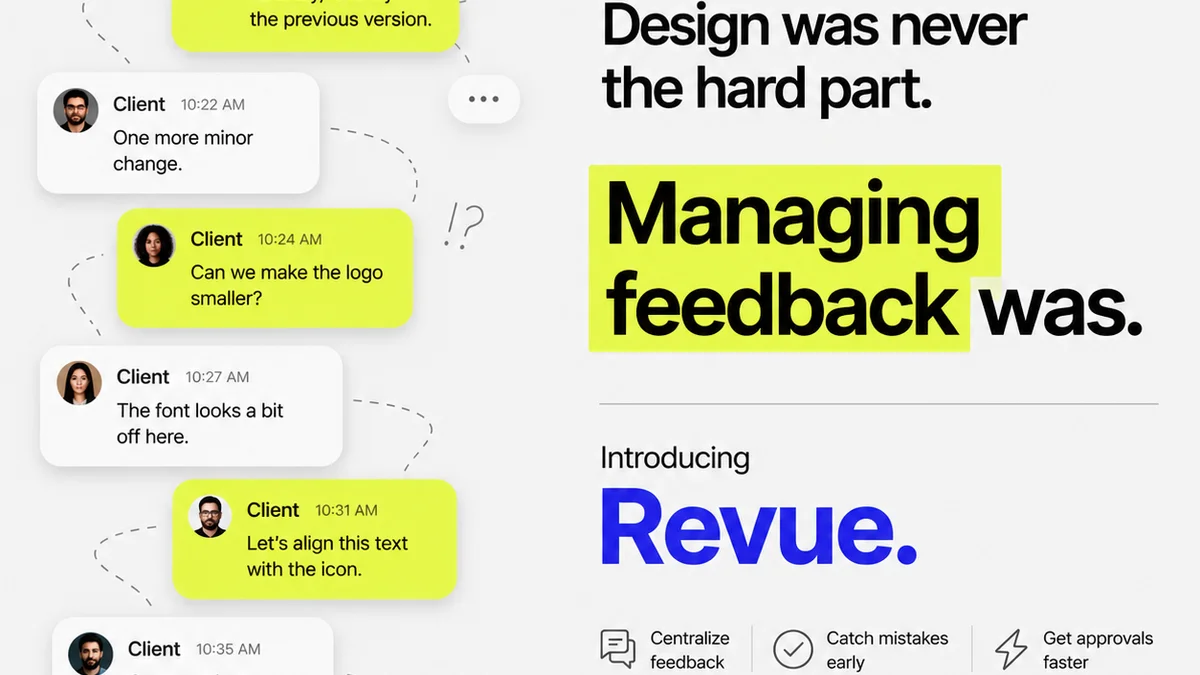
Everyone thinks they know how to manage remote design revisions. You send a link, get comments, make changes, repeat. Simple, right?
None of that is wrong. But it’s incomplete. It’s a surface-level understanding that ignores the complex human and operational dynamics that truly dictate success.
The hard truth? Efficient remote design revisions aren't about the tools you use; they're about the *process* you enforce and the *clarity* you build into every step. Without a deliberate, structured approach, you’re just adding friction and inviting miscommunication.
1. The Illusion of 'Quick' Feedback
The biggest lie we tell ourselves about remote creative work is that feedback is quick and easy. It’s not. It’s fragmented, asynchronous, and prone to misinterpretation.
When your team is scattered, a simple email thread or a Slack channel quickly becomes a black hole for crucial context. Someone misses a message. Someone else interprets a tone incorrectly. Someone else is working on a different version altogether.
The Symptoms of Feedback Chaos
- Endless email chains that bury decisions.
- Slack messages that get lost in the noise.
- Multiple versions of files floating around.
- Designers guessing at client intent.
- Scope creep disguised as
Frequently asked questions
What's the biggest mistake agencies make with remote design revisions?
Relying on informal communication channels like email or chat for critical feedback. This leads to lost context, misinterpretations, and version control nightmares. A structured checklist and centralized platform are essential.
How can I ensure clients provide clear, actionable feedback remotely?
Set clear expectations upfront. Define what constitutes 'final' feedback and when it should be provided. Use a system that allows for annotated feedback directly on the design, reducing ambiguity. Schedule brief check-ins to clarify complex points.
How does a remote design revisions checklist improve efficiency?
It standardizes the feedback process, reduces back-and-forth, clarifies scope, and ensures all necessary parties have provided input. This minimizes delays, prevents scope creep, and speeds up the approval cycle.
What are the key elements of a remote design revisions checklist?
Clear brief, defined feedback rounds, consolidated feedback submission, version control, explicit approval points, and sign-off procedures. Each step ensures clarity and accountability.