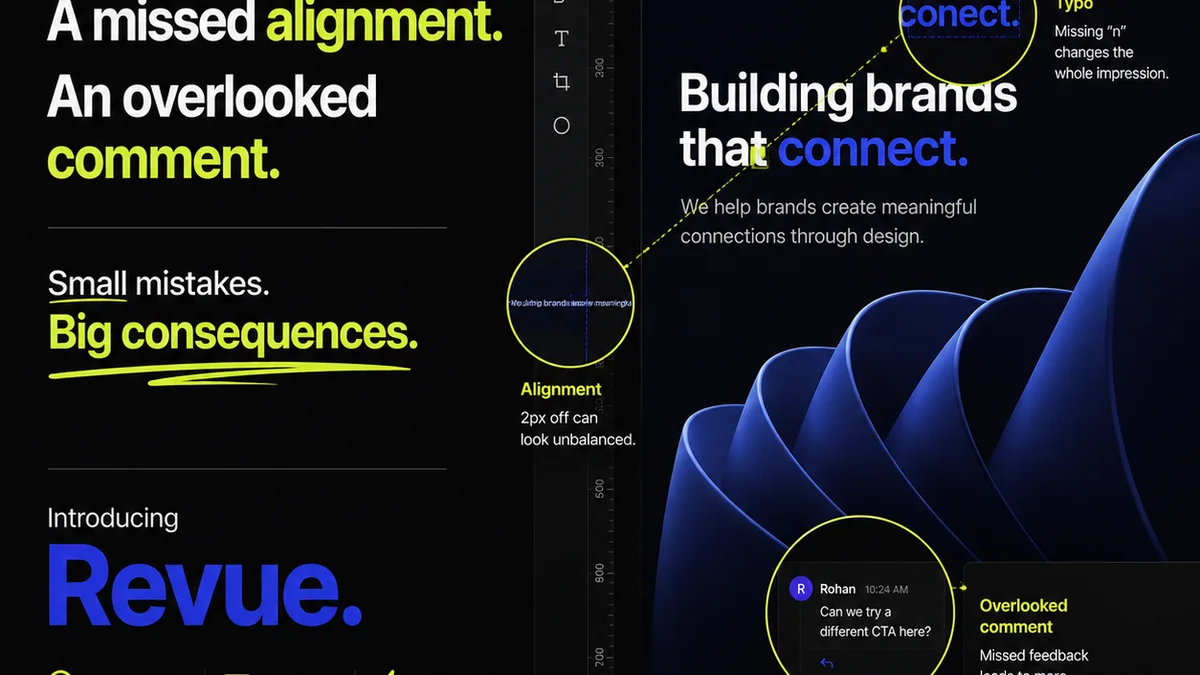
Everyone thinks they know how to handle creative revisions and approvals. You get feedback, you make changes, you get sign-off. Simple, right?
None of that is wrong. But it’s incomplete. The hard truth is that most teams are drowning in inefficient revision cycles, not because they don’t understand the basics, but because they’re missing the operational rigor to make it work at scale.
1. Define the Approval Process Upfront
Before a single pixel is designed or a word is written, the approval process must be crystal clear. This isn’t about being difficult; it’s about setting expectations and building a framework for efficient collaboration.
Who Approves What?
Identify the key stakeholders for each project. Who has the final say? Who needs to be consulted? Document this. A simple stakeholder map can prevent confusion later.
How Many Rounds?
Set a realistic number of revision rounds in your contract. Most projects can be refined within two to three rounds. Anything more often indicates a deeper problem, not a need for more tweaks.
What’s the Turnaround Time?
Define expected turnaround times for feedback and approvals from the client, and for revisions from your team. This creates accountability on both sides.
What Constitutes Approval?
Is it a verbal OK? An email? A signed-off PDF? Specify the exact method. Documenting this prevents disputes about whether a project was actually approved.
2. Centralize All Feedback
Scattered feedback is chaos. Emails, Slack messages, scribbled notes on PDFs – they all lead to missed comments and misunderstandings. This is where consolidating feedback becomes critical.
Imagine trying to track changes across a dozen different email threads. It’s a nightmare.
All feedback should live in one place, directly linked to the creative asset being discussed. This ensures context is never lost and everyone is working from the same, most recent version.
The Problem with Email Chains
Email is terrible for collaborative feedback. It lacks version control, makes it hard to track specific comments, and easily leads to outdated information.
The Issue with Chat Apps
While faster for quick questions, chat apps are even worse for detailed feedback. Comments get buried, context is lost, and there's no clear record of decisions.
The Power of a Single Source of Truth
A centralized system provides a clear audit trail. Every comment, every decision, every revision is logged and accessible. This dramatically reduces miscommunication.
3. Implement Structured Feedback
Not all feedback is created equal. Some is gold, some is noise. You need a system to filter and act on it effectively.
Vague feedback like “I don’t like it” or “Make it pop more” is unhelpful. It’s subjective and leads to endless, aimless revisions.
Be Specific with Your Own Team
Train your team to give constructive, actionable feedback. Focus on the 'what' and the 'why'.
Guide Client Feedback
Provide clients with clear guidelines on how to give feedback. Encourage them to reference specific elements and explain the reasoning behind their suggestions.
Use Annotation Tools
Tools that allow direct annotation on the creative asset are invaluable. Pinpoint comments, draw shapes, and leave clear instructions.
4. Manage Revisions Systematically
Revisions aren’t just about making changes; they’re about managing the *process* of change.
Each revision round should be a distinct phase. You complete one, get approval, and then move to the next. Don’t let new feedback bleed into an ongoing revision round.
Version Control is Non-Negotiable
Always maintain clear version control. Label files meticulously (e.g., `ProjectName_v1.0_ClientFeedback.ai`, `ProjectName_v1.1_Revised.ai`).
This prevents accidental work on outdated versions.
Track Changes and Decisions
Keep a log of what was changed in each revision round and why. This is crucial for understanding project evolution and for client accountability.
The Cost of Scope Creep
Unmanaged revisions are a primary driver of scope creep. Stick to the agreed-upon objectives for each round. If new requests emerge, assess them against the original scope and budget.
5. Master the Art of the Final Approval
The final approval isn't just a button click; it’s a formal sign-off that signals the end of the revision process and the beginning of delivery or launch.
This is where many projects falter, with clients circling back days or weeks later with minor changes.
Formalize the Sign-Off
Require a clear, documented final approval from the designated approver. This could be a signed PDF, a formal email confirmation, or a sign-off within a project management tool.
Communicate What’s Included
Clearly state what the final approved version includes. If there are any minor outstanding items that don't require client input (e.g., preparing final files), note them separately.
Post-Approval Changes
Establish a policy for any changes requested *after* final approval. These should typically be treated as new work, subject to additional scope and cost.
Where Revue Fits In
Managing creative revisions and approvals effectively requires the right tools. Trying to wrangle feedback through disparate email threads and chat messages is a recipe for disaster.
Revue provides a centralized platform specifically designed for creative workflows. It allows you to:
- Consolidate Feedback: Gather all client comments and team discussions in one place, directly on the creative asset.
- Streamline Revisions: Clearly track which feedback has been addressed and which revision round you’re on.
- Automate Approvals: Get clear, documented sign-offs without the back-and-forth of endless emails.
- Maintain Visibility: Ensure all stakeholders have access to the latest version and feedback history.
By centralizing your feedback and approval process, you reduce ambiguity, minimize errors, and significantly speed up delivery times.
Final Thought
Are your revision processes a source of creative friction or a catalyst for clarity? The difference often lies not in talent, but in the systems you put in place to manage feedback and approvals.
Frequently asked questions
What is the most common mistake agencies make with revisions?
The most common mistake is not defining the revision and approval process clearly upfront. This leads to scope creep, unclear expectations, and prolonged, inefficient cycles.
How many revision rounds are typical?
While it varies, most projects can be refined within two to three rounds. More than that often indicates a fundamental issue with the brief, feedback, or process, rather than a need for more tweaks.
How can I ensure clients provide useful feedback?
Guide your clients by providing clear instructions on how to give feedback. Encourage specificity, referencing elements directly on the asset, and explaining the 'why' behind their suggestions. Centralized tools with annotation features are very helpful here.
What's the best way to handle changes after final approval?
Changes requested after final approval should generally be treated as new work. Clearly communicate this policy upfront and assess new requests based on original scope, budget, and timeline, potentially requiring a change order.