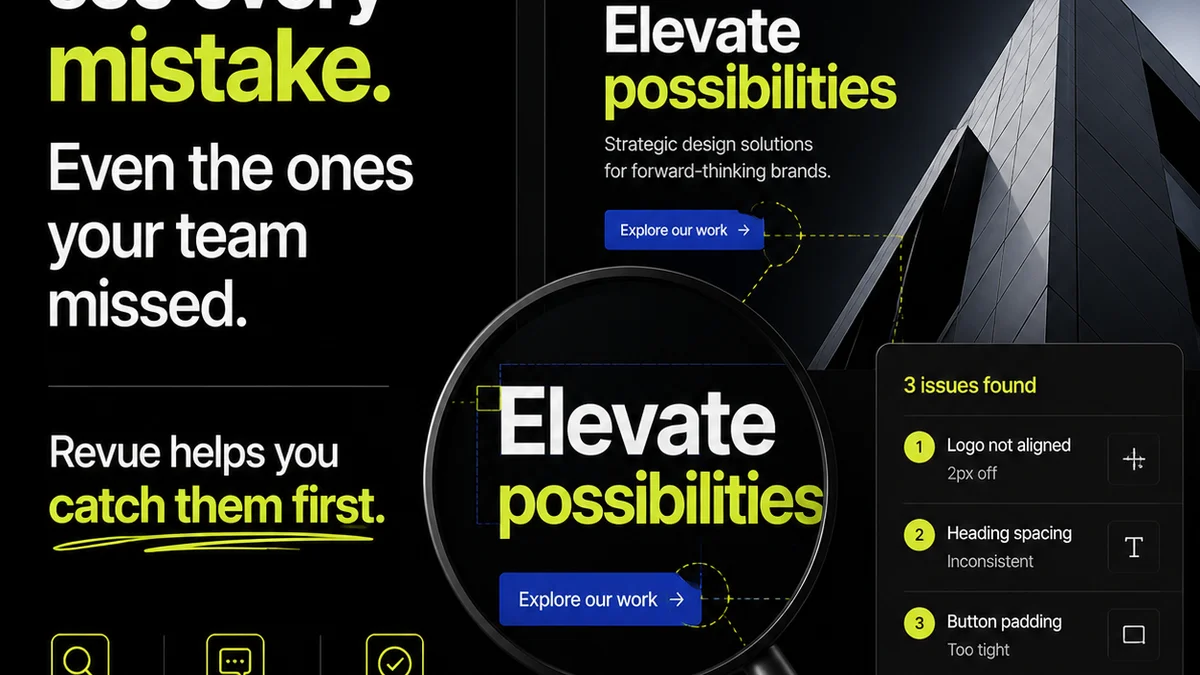
Everyone agrees that tracking revision history is important. It's a given in creative work. You need to know what changed, when, and why.
None of that is wrong. But it’s incomplete.
The real value of revision history isn't just in the *what*. It's in the *how* and the *why* it matters to your agency's bottom line, client relationships, and team sanity. It’s your operational memory.
1. The Assumption: Revision History is Just for Auditing
Many agencies see revision history as a safety net. A way to prove who asked for what, especially when things go sideways. It’s a CYA tool. A digital paper trail.
This perspective is limited. It focuses solely on the defensive. It misses the proactive power.
The hard truth: Revision history is a strategic asset. It’s a data source. It informs future project scoping, client communication, and team efficiency.
Beyond “Who Changed What”
Think about what a robust revision history tells you:
- The frequency of changes on specific elements.
- The number of rounds of revisions per project.
- The types of feedback that lead to the most iterations.
- Which stakeholders provide the most subjective or conflicting feedback.
- How much time is spent on revisions versus initial creative work.
This data, when analyzed, can reshape how you quote projects, manage client expectations, and structure your creative teams.
2. The Hard Truth: Revision History is Your Agency’s Operational Memory
Your revision history isn't just a log. It's the collective memory of your agency's projects. It records the evolution of creative assets, client decisions, and team efforts.
Without a clear, accessible revision history, you're operating blindfolded. You're making the same mistakes. You're re-learning lessons the hard way.
Why Operational Memory Matters
Consider the implications of poor revision tracking:
- Scope Creep: It’s harder to identify and quantify when feedback drifts beyond the original brief.
- Client Disputes: Lacking clear records makes it difficult to resolve disagreements about deliverables or timelines.
- Inefficiency: Teams may waste time searching for previous versions or redoing work due to unclear instructions.
- Profitability Erosion: Unaccounted-for revisions eat into margins, especially on fixed-price projects.
- Team Burnout: Constant, undocumented back-and-forth leads to frustration and exhaustion.
This isn't just about avoiding blame. It's about building a smarter, more profitable agency.
3. The Checklist: What to Track and Why
A comprehensive revision history checklist goes beyond simply noting a new file upload. It captures context and intent. It makes the data actionable.
Key Elements of a Robust Revision History
- Timestamp: Absolute date and time of the change.
- User/Role: Who made the change or provided the feedback.
- Version Number: Clear, sequential versioning (e.g., v1.0, v1.1, v2.0).
- Feedback Type: Was it a minor tweak, a major revision, or a strategic pivot?
- Feedback Source: Which client stakeholder provided this specific feedback?
- Specific Instructions: A clear, concise summary of the requested change.
- Rationale (Optional but Recommended): The
Frequently asked questions
What is the primary benefit of a detailed revision history?
The primary benefit is transforming revision history from a defensive audit tool into a strategic asset. It provides crucial data for improving project scoping, client communication, team efficiency, and overall agency profitability.
How can revision history help prevent scope creep?
By meticulously logging each change, its source, and its nature, you create a clear record. This makes it easier to identify when feedback deviates from the original brief, allowing you to address potential scope creep proactively with the client.
What are the essential components of a revision history entry?
Essential components include a timestamp, the user/role making the change, a clear version number, the type of feedback (e.g., minor tweak, major revision), the source stakeholder, and specific instructions for the change.
Can revision history improve team collaboration?
Yes. A clear, accessible revision history reduces confusion and the need for constant clarification. It ensures everyone on the team is working from the same, most up-to-date information, minimizing errors and rework.