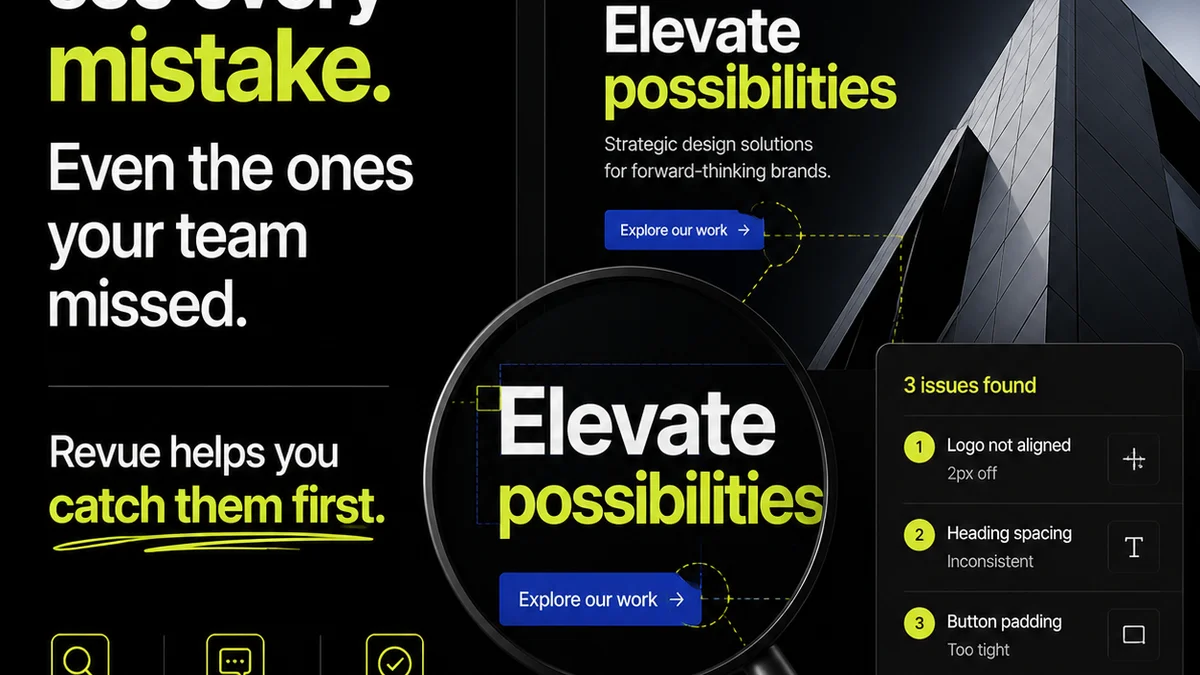
Most agencies think revision management is just about tracking client changes. That’s it. That’s the whole strategy.
None of that is wrong. But it’s incomplete.
The hard truth? Revision management isn't just a checkbox. It’s a critical operational lever that dictates your project profitability, team morale, and client satisfaction. Get it wrong, and you’re bleeding money and sanity. Get it right, and you’re building a more predictable, profitable, and enjoyable business.
1. The Illusion of 'Easy' Revisions
Clients want to see their ideas reflected in the final product. That’s natural. But the way feedback is often gathered and actioned creates a chaotic mess.
Think about the typical flow:
- Emails with scattered comments.
- Slack messages with urgent, out-of-context requests.
- Phone calls where notes are taken (or not).
- Scribbled notes on printouts.
- Direct messages on platforms where the work isn't even housed.
This isn't just messy; it's inefficient. Each piece of feedback needs to be deciphered, logged, and then translated into actionable tasks. It’s a manual data-entry nightmare.
And the client? They often feel like they aren’t being heard, or worse, that their feedback is being ignored, because the system is so broken.
2. Decoding Client Feedback: More Than Just Words
Effective revision management starts before the first change is requested. It’s about setting expectations and establishing a clear process.
2.1. The Brief is Your Bible
A solid creative brief isn't just a document to get sign-off. It's the north star for the entire project. When feedback comes in that contradicts the brief, it’s not necessarily bad feedback; it’s a signal that something needs discussion.
This is where you can push back, not defensively, but constructively. “This new direction is interesting. How does it align with the goal of X we agreed on?”
2.2. Defining 'Done'
What constitutes a final approved asset? Is it a client sign-off on a PDF proof? A final exported file? A live URL?
Without a clear definition, you invite scope creep disguised as minor tweaks. Be explicit about what approval means. This definition should be agreed upon upfront.
2.3. Setting Feedback Cadence and Channels
Clients need to know *how* and *when* to provide feedback. This prevents a firehose of comments at the eleventh hour.
- Designate a single point of contact for feedback on the client side.
- Specify the preferred method: a dedicated platform, a shared document, or scheduled review meetings.
- Establish a timeline for feedback submission.
This structure transforms subjective requests into objective data points.
3. Building a Revision Workflow That Works
A robust workflow isn’t about restricting creativity; it’s about channeling it efficiently. It streamlines communication and minimizes misunderstandings.
3.1. Centralized Feedback Hubs
Scattered feedback is a productivity killer. You need a single source of truth.
Tools that allow for annotation directly on proofs, images, or videos are invaluable. This ensures comments are contextual and easily visible to the entire team. No more hunting through email chains.
3.2. Version Control is Non-Negotiable
How many times has a client said, “Which version are we looking at?”?
Implement clear naming conventions and a system for tracking revisions. Each iteration should be logged, dated, and easily accessible. This prevents confusion and ensures everyone is working from the latest approved version.
Think of it like source control for code, but for creative assets. It’s that important.
3.3. The Revision Round System
The concept of ‘unlimited revisions’ is a myth that destroys agency profitability. Define a set number of revision rounds in your contract.
Each round should represent a distinct set of changes. If a client provides feedback that falls outside the scope of the current round, or requires a significant pivot, it’s an opportunity to discuss an additional scope or fee.
3.4. Internal Review Before Client Handoff
Don’t let the client be your QA team. Implement an internal review process.
Before anything goes to the client, have a designer, art director, or project manager review it against the brief and previous feedback. This catches errors, inconsistencies, and deviations before they become client-raised issues.
This simple step dramatically reduces back-and-forth.
4. Quantifying the Cost of Poor Revision Management
It’s easy to dismiss revision chaos as just part of the job. But the financial and operational toll is immense.
- Wasted Hours: Time spent deciphering notes, searching for feedback, and redoing work based on unclear instructions.
- Scope Creep: Unlimited revisions or poorly defined scope lead to projects running over budget and schedule.
- Team Burnout: Constant back-and-forth and unclear direction are demotivating and lead to frustration.
- Damaged Client Relationships: Clients become frustrated when they feel unheard or when projects drag on endlessly.
- Reduced Profitability: Every hour spent on unbillable rework eats directly into your margins.
These aren't abstract costs; they are tangible impacts on your bottom line and your team’s well-being.
5. Where Revue Fits In
Managing revisions effectively requires structure, clarity, and a single source of truth. This is where a tool like Revue can transform your workflow.
Revue provides a centralized platform for all client feedback. Instead of digging through emails and Slack, all comments, annotations, and approvals live in one place, directly tied to the creative asset.
This means:
- Clear Visibility: Everyone on the team sees the same feedback, in context.
- Streamlined Approvals: Track the status of revisions and approvals, reducing confusion and delays.
- Version Tracking: Easily manage and compare different versions of creative work.
- Quality Checks: Ensure all feedback has been addressed before final delivery.
By centralizing feedback and streamlining the revision process, Revue helps agencies deliver work faster, reduce errors, and maintain happier client relationships. It’s about bringing order to the creative chaos.
6. Final Thought
Revision management isn’t a bureaucratic hurdle; it’s a strategic advantage. It’s the difference between a reactive, chaotic agency and a proactive, profitable one.
Are you managing revisions, or are revisions managing you?
Frequently asked questions
What is the biggest mistake agencies make with revision management?
The biggest mistake is treating revision management as a passive administrative task rather than an active operational strategy. This often leads to scattered feedback, unclear communication, scope creep, and ultimately, reduced profitability and team burnout.
How can I get clients to provide better feedback?
Set clear expectations upfront. Define the feedback process, the channels to be used, and the timeline. Ensure feedback is contextual by using tools that allow for direct annotation on assets. Regularly refer back to the original brief to keep feedback aligned with project goals.
How many revision rounds should I offer?
This should be clearly defined in your contract and agreed upon with the client. A common practice is to include a set number of revision rounds (e.g., two or three) within the project scope. Any work beyond that should be treated as a change order or new scope.
What is the benefit of internal review before client feedback?
Internal review acts as a quality control step. It allows your team to catch errors, ensure consistency, and verify that all previous feedback has been addressed before the work is presented to the client. This significantly reduces unnecessary back-and-forth and speeds up the approval process.