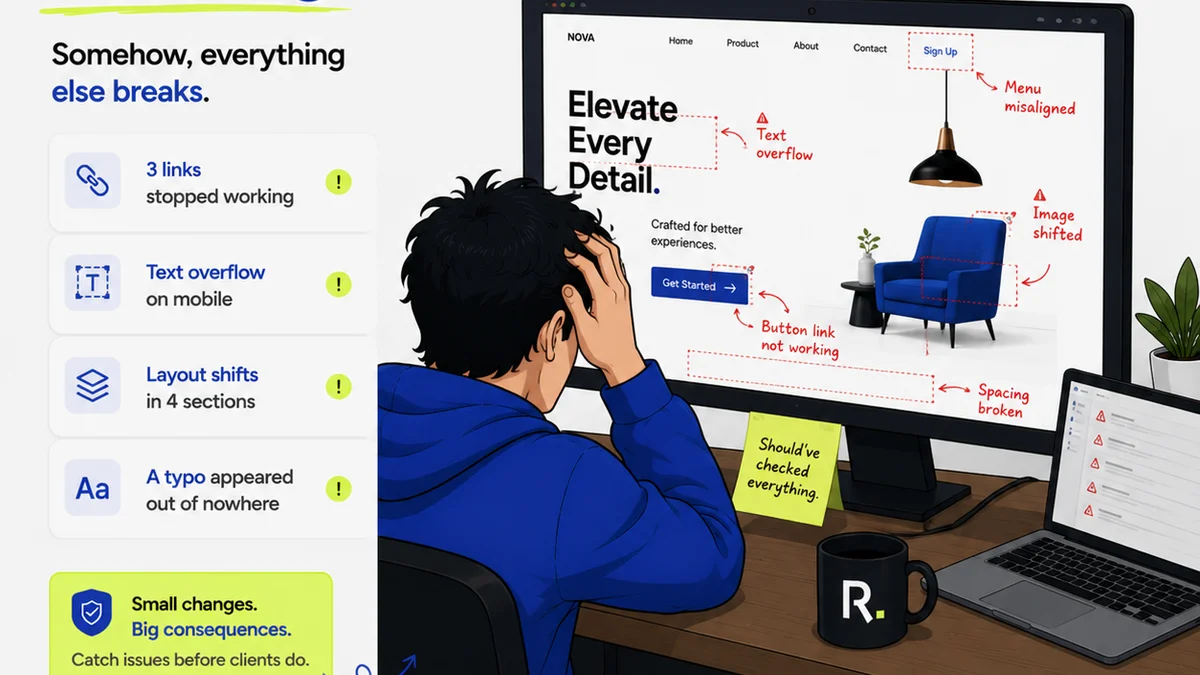
You're looking for the best project management software for your healthcare marketing team. You've probably heard Asana recommended for its robust task management and Revue for its creative feedback capabilities. Many assume that choosing between them is just about feature sets and pricing. That's not entirely wrong. But it’s incomplete.
The deeper truth? The choice hinges on your specific workflow pain points, especially around client collaboration, revision cycles, and the unique compliance demands of the healthcare industry. For healthcare marketing, managing feedback and approvals isn't just about efficiency; it's about risk mitigation.
1. Understanding the Core Philosophies
Asana: The Task Master
Asana excels at breaking down complex projects into manageable tasks. It's built for teams that need to track progress, assign ownership, and ensure deadlines are met across multiple workstreams. Think of it as a highly organized to-do list for your entire department, or even your entire organization.
Its strength lies in its structured approach to project planning and execution. You can build detailed project plans, set dependencies, and monitor team workloads.
This is great for internal operations and keeping many moving parts in sync. But when it comes to creative assets and client feedback, it can feel a bit like using a hammer to screw in a lightbulb.
Revue: The Feedback Hub
Revue is built from the ground up for creative workflows. Its primary focus is on streamlining the process of sharing creative work, gathering precise feedback, and managing revisions. It’s designed to reduce the friction inherent in the creative review and approval process.
Instead of just tasks, Revue deals with versions, annotations, and sign-offs. The goal is to make the feedback loop tight, clear, and auditable. This is crucial for any industry, but especially for healthcare.
2. The Healthcare Marketing Workflow Challenge
Healthcare marketing operates under a microscope. Every piece of content—from a social media post to a patient brochure—must navigate a complex web of regulations and internal approvals. This includes:
- HIPAA compliance
- FDA regulations (for certain products/services)
- Internal legal and medical review
- Ensuring patient privacy
- Maintaining brand consistency across sensitive topics
These aren't just checkboxes; they are critical steps that directly impact legal exposure and patient trust. A missed detail can lead to significant consequences.
The Bottleneck: Feedback and Approvals
This is where most healthcare marketing teams struggle. Traditional email chains, scattered documents, and informal chats create:
- Version control nightmares
- Lost feedback
- Ambiguous sign-offs
- Lengthy back-and-forth that delays critical campaigns
- Difficulty in proving that all necessary reviews were completed
Your project management tool needs to address this bottleneck directly, not just track tasks around it.
3. Feature Comparison: Beyond the Surface
Task Management & Project Planning
Asana shines here. Its timeline views, dependency mapping, and resource allocation tools are top-tier. If your primary need is managing large, multi-stage projects with many dependencies, Asana is powerful.
Revue also handles tasks, but its focus is on the tasks *related to creative review*: uploading new versions, assigning reviewers, tracking approval status. It's less about Gantt charts and more about the lifecycle of a creative asset.
Creative Asset Review & Annotation
This is Revue’s raison d'être. It allows stakeholders to comment directly on specific parts of an image, video, or PDF. Feedback is contextual, visual, and actionable.
Asana can handle file attachments, but real-time, in-context annotation on creative work is not its native strength. You'd likely resort to screenshots with arrows or lengthy written descriptions, which adds friction and ambiguity.
Version Control
Revue is built for iterative design. Each new upload creates a new version, with a clear history of changes and approvals for each version. This visual, chronological record is invaluable for auditing and understanding the evolution of a piece of work.
Asana tracks file versions, but it doesn't inherently visualize the *creative iteration* process in the same way. It's more about file management than creative progression.
Client Collaboration
Revue is designed with external stakeholders (clients, legal teams) in mind. The interface is typically cleaner and focused on the review task, reducing the learning curve for less tech-savvy users. Clear statuses (e.g., 'Approved,' 'Revision Needed') are paramount.
Asana’s interface, while powerful, can be overwhelming for external clients. Managing permissions and ensuring they only see what they need to can be more complex.
Reporting & Auditing
For healthcare, audit trails are non-negotiable. Revue provides clear records of who reviewed what, when, and what their decision was for each version. This directly addresses compliance needs.
Asana offers project reporting, but the specific audit trail for creative approvals might require custom setup or workarounds, and may not be as visually intuitive for sign-offs on creative assets.
4. Where Revue Fits In
Revue is purpose-built to solve the challenges of creative feedback and approvals. For healthcare marketing teams, this translates directly to:
- Streamlined Compliance Reviews: Legal and medical teams can review assets directly within the platform, leaving precise, auditable feedback.
- Faster Approvals: Contextual feedback reduces misunderstandings and speeds up the revision cycle.
- Clear Audit Trails: Every version, comment, and approval is logged, providing an indisputable record for compliance.
- Reduced Risk: Minimizing errors and ensuring all necessary stakeholders sign off before publication.
- Centralized Asset Management: Keeping all versions and feedback in one place, accessible to the right people.
Think of Revue as the specialized tool that ensures your creative output is not only on-brand and effective but also compliant and risk-free. It complements your broader project management system by focusing on the critical, often problematic, final stages of creative production.
5. Making the Right Choice for Healthcare
If your team is drowning in email feedback, struggling with version control on campaign visuals, or needs a clear, auditable process for legal and medical sign-offs, Revue is likely the better fit for your core creative workflow needs.
If your primary challenge is managing complex internal project timelines, inter-departmental dependencies, and resource allocation across a wide range of non-creative tasks, Asana might be your foundational tool.
Many teams don't have to choose *one or the other*. They use a robust project management tool like Asana for overall project planning and internal task tracking, and a specialized creative collaboration platform like Revue for the specific, high-stakes workflow of asset review and approval. This hybrid approach addresses different needs effectively.
Final Thought
Is your current software helping you manage the unique risks of healthcare marketing, or is it just adding another layer of complexity? The best tool isn't the one with the most features, but the one that most effectively reduces friction and risk in your most critical workflows.
Frequently asked questions
Can Asana handle creative feedback for healthcare marketing?
Asana can manage files and tasks related to creative work, but it lacks native, in-context annotation tools that are crucial for precise feedback on visuals. For detailed creative review and auditable sign-offs, specialized tools are often more effective.
What makes Revue better for healthcare compliance?
Revue offers clear version control, visual annotation, and auditable records of who reviewed what and when. This provides a concrete trail for legal and medical reviews, which is essential for HIPAA and other healthcare regulations.
Do I need both Asana and Revue?
Many healthcare marketing teams find value in using Asana for overall project planning and task management, and Revue specifically for the creative asset review and approval process. This hybrid approach leverages the strengths of each platform.
How does Revue simplify client collaboration in healthcare?
Revue's focused interface makes it easier for external stakeholders, including clients and internal compliance officers, to provide clear, contextual feedback without being overwhelmed by complex project management features. Statuses like 'Approved' and 'Revision Needed' are explicit.