Everyone talks about the importance of SaaS UX. You hear it everywhere: good UX drives adoption, boosts retention, and reduces churn. None of that is wrong. But it’s incomplete.
The hard truth is that building truly great SaaS UX isn't just about hiring a designer. It’s a significant, ongoing investment with a complex cost structure. Understanding these costs is critical for any US business serious about its product.
1. The Hidden Costs of Underestimating UX
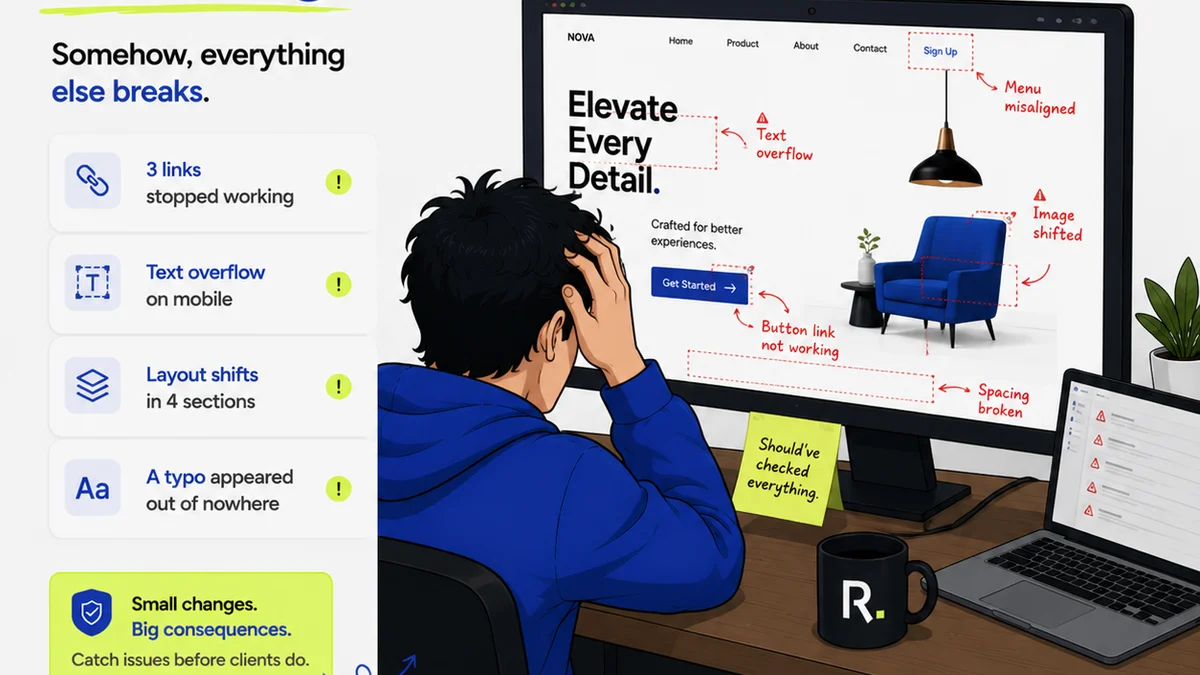
Many businesses see UX as a feature, a line item that can be trimmed when budgets get tight. This is a dangerous misconception. Underinvesting in UX upfront leads to exponential costs down the line.
Think about it:
- Wasted development cycles fixing usability issues discovered late.
- Lost sales due to poor onboarding or confusing interfaces.
- Increased customer support burden from confused users.
- Damaged brand reputation from a clunky, frustrating experience.
- High churn rates as users abandon your product for a better alternative.
These aren't abstract problems. They translate directly to lost revenue and wasted resources. The initial
Frequently asked questions
What is the average cost of UX design for a SaaS product?
The cost varies wildly based on project scope, team location, experience level, and engagement model (in-house, agency, freelance). A rough estimate for a new SaaS product's initial UX design could range from $20,000 to $100,000+, covering research, wireframing, prototyping, and UI design. Ongoing optimization and iteration add to this.
How does user research contribute to SaaS UX costs?
User research is a critical component. Costs include participant recruitment, incentives, research tools (like survey software or usability testing platforms), and the time of UX researchers or designers conducting the studies. Skipping this leads to building the wrong thing, which is far more expensive.
Are there recurring costs associated with SaaS UX?
Absolutely. UX is not a one-time deliverable. Ongoing costs include continuous user feedback collection, usability testing of new features, A/B testing, design system maintenance, and iterative improvements based on analytics and user behavior. This sustained investment is key to long-term success.
How can agencies and in-house teams manage SaaS UX costs effectively?
Effective management involves clear project scoping, prioritizing features based on user impact and business goals, leveraging efficient tools for feedback and collaboration (like Revue), and building a culture of user-centricity. Regular ROI analysis of UX initiatives is also crucial.