You think social media design costs are straightforward. You see the hourly rates, the package deals, and you assume you know what you’re paying for. None of that is wrong. But it’s incomplete.
The real cost of social media design for automotive businesses in the US isn't just about pixels and poses. It's about generating showroom traffic, boosting service appointments, and building brand loyalty in a hyper-competitive market. The price tag reflects the strategic thinking, the industry expertise, and the tangible business outcomes it's designed to achieve.
1. Beyond the Pretty Picture: The Strategic Layer
Many automotive brands focus on the immediate visual appeal of their social media assets. They want eye-catching graphics for new model launches or flashy ads for seasonal promotions. This is a baseline expectation, not the full story.
The deeper truth is that effective social media design for automotive businesses is inherently strategic. It's about understanding the customer journey, from initial awareness to final purchase and beyond. Every post, every carousel, every video graphic needs to serve a purpose aligned with broader marketing goals.
Understanding the Automotive Customer
The automotive buyer is not a monolith. They range from first-time buyers to seasoned enthusiasts, from budget-conscious families to luxury seekers. Design must resonate with specific demographics and psychographics.
- Demographics: Age, income, location, family status.
- Psychographics: Lifestyle, values, interests, brand perception.
- Behavioral: Purchase history, online activity, brand loyalty.
A design that appeals to a young urban professional looking for an EV will be vastly different from one targeting a suburban family needing a reliable SUV.
Alignment with Business Objectives
What does the dealership or manufacturer want to achieve with this social media campaign?
- Increase website traffic to a specific model page?
- Drive foot traffic to the showroom?
- Promote a limited-time financing offer?
- Boost service department bookings?
- Build brand awareness for a new EV line?
The design must be a vehicle for these objectives, not just an aesthetic overlay. This requires a deep dive into the client's business, their target audience, and their competitive landscape.
2. The Scope Creep of 'Just a Few Tweaks'
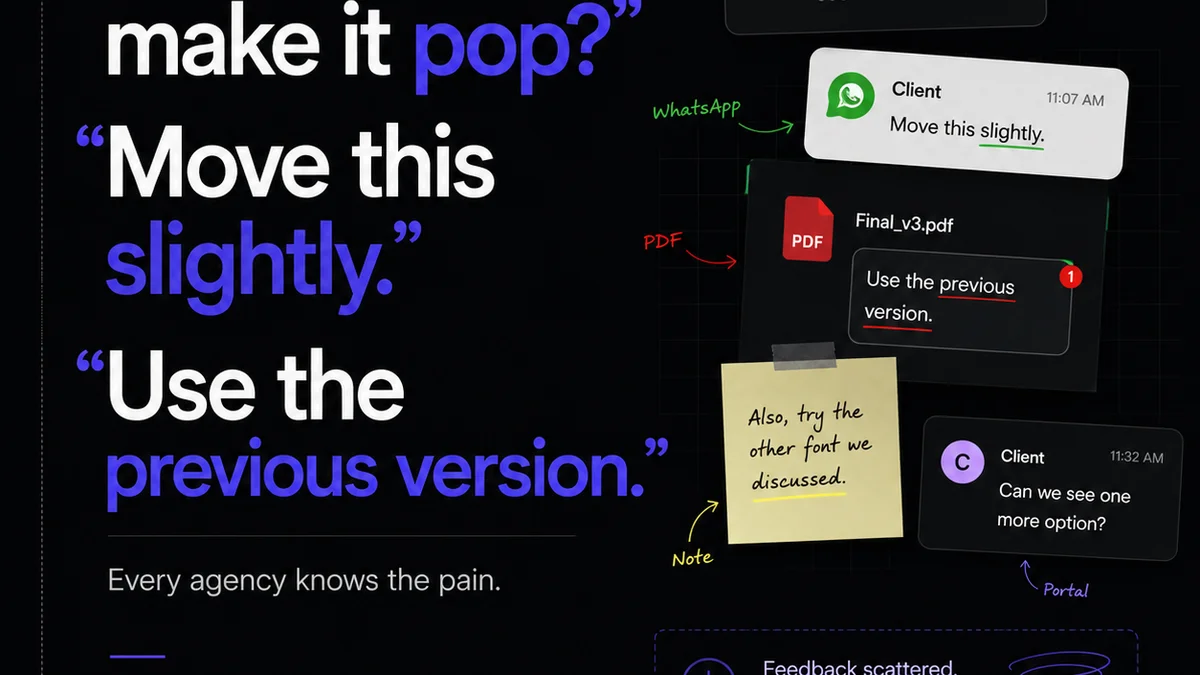
This is where costs often spiral. The initial brief for a social media campaign might seem contained. But the iterative nature of creative feedback, especially without a clear process, can inflate timelines and budgets dramatically.
For automotive clients, this often manifests as endless rounds of minor revisions that chip away at profitability. A slight color change here, a different font there, a minor repositioning of a logo – these small requests, multiplied, consume significant time.
Common Scope Creep Triggers
- Vague Feedback:
Frequently asked questions
What factors influence social media design costs for US automotive businesses?
Costs are influenced by design complexity, client's specific goals (e.g., lead generation vs. brand awareness), the number of revisions, the agency's experience and location, and the scope of assets required (static images, videos, animations).
How do I get an accurate quote for social media design services?
Provide a detailed brief outlining your objectives, target audience, brand guidelines, desired assets, and any examples. Be clear about your budget and timeline. A clear brief minimizes misunderstandings and scope creep, leading to more accurate quotes.
Is it cheaper to use a freelancer or an agency for automotive social media design?
Freelancers can be more cost-effective for smaller, simpler projects. Agencies often offer a more comprehensive service, including strategy, project management, and specialized expertise (like automotive industry knowledge), which can provide better ROI for complex campaigns, despite a higher initial cost.
How can I reduce the cost of social media design without sacrificing quality?
Streamline your feedback process, provide clear and consolidated feedback, establish a fixed number of revision rounds in your contract, and ensure brand guidelines are readily available. Using a platform for feedback can also improve efficiency.