Everyone talks about social media design ROI in terms of likes, shares, and conversions. It’s all about engagement. That’s not wrong. But it’s dangerously incomplete.
The deeper truth? The real ROI of social media design isn’t just about driving business. It’s about protecting it.
1. The Hidden Cost of Compliance Breaches
Your social media visuals aren’t just pretty pictures. They’re statements. And in the legal landscape, statements have consequences.
Think about it:
- Copyright infringement on images or fonts.
- Misleading claims in ad copy or visuals.
- Violation of accessibility standards (WCAG).
- Failure to properly disclose sponsored content.
- Using protected logos or trademarks without permission.
These aren’t minor errors. They’re potential lawsuits. And the cost of defending against one can dwarf any perceived ROI from a viral post.
Copyright and Trademark Pitfalls
Using stock imagery is common. But are you sure you have the right license for commercial use on social media? Did you remember to pay for that specific font used in the graphic?
A quick search on a competitor’s feed might reveal their use of a similar, protected element. If they get sued, and you’re doing the same thing, you’re next.
Accessibility: More Than Just Good Practice
The Web Content Accessibility Guidelines (WCAG) aren't just for websites. They're increasingly relevant for visual content on social platforms, especially for larger organizations or those targeting diverse audiences. Poor color contrast, small text, or lack of alt-text descriptions on images can lead to discrimination claims.
Deceptive Advertising and False Claims
Your design might imply benefits or features your product or service doesn’t actually provide. A visually appealing graphic that over-promises can attract regulatory scrutiny from bodies like the FTC.
It’s a fine line between aspirational marketing and outright deception. Design choices often dictate this perception.
2. Brand Reputation: An Intangible Asset Under Threat
A single legal misstep can do more damage to your brand’s reputation than a thousand negative reviews.
Imagine your agency or client being publicly called out for:
- Using offensive imagery.
- Promoting a harmful stereotype.
- Being accused of intellectual property theft.
- Failing to protect user data through insecure design elements (like poorly designed forms or landing pages linked from social).
The speed at which social media spreads information means negative news, especially legal trouble, can go viral just as quickly as positive content.
The Legal Fallout of a PR Crisis
A cease-and-desist letter might be the first sign. But the real damage happens in the court of public opinion. A brand associated with legal trouble is seen as unreliable, unethical, or incompetent.
This erodes client trust and makes attracting new business exponentially harder. The cost of rebuilding that trust? It’s astronomical, and often impossible.
Building Trust Through Diligence
Conversely, a brand known for its integrity, which includes respecting intellectual property and legal standards, builds a different kind of ROI: loyalty and long-term partnerships. This is built, in part, through meticulous design and content creation processes.
3. Operational Efficiency: Preventing Problems Before They Start
Many agencies treat legal review as an afterthought. A quick email to the legal department, hoping they’ll catch everything. This is inefficient and risky.
True operational efficiency in social media design means baking legal considerations into the workflow from the start.
Integrating Legal into the Creative Process
This isn't about stifling creativity. It's about guiding it.
- Briefing: Clearly outline legal constraints and requirements in the initial creative brief.
- Asset Sourcing: Establish clear protocols for image, font, and video sourcing, including license verification.
- Content Review: Implement a multi-stage review process that includes legal or compliance checks *before* final approval.
- Platform Specifics: Understand the unique legal nuances of each platform (e.g., advertising policies on Facebook vs. Instagram vs. LinkedIn).
This proactive approach saves time and money in the long run. It prevents costly rework and reduces the likelihood of legal disputes.
The Cost of Rework
Imagine launching a campaign only to have it pulled days later because of a copyright issue. The cost isn't just the design time lost. It’s the ad spend wasted, the missed opportunity, and the damage to your client’s immediate goals.
A streamlined, legally-aware design process minimizes these costly surprises.
Where Revue Fits In
Managing social media design projects involves a complex web of feedback, revisions, and approvals. Keeping track of every detail, especially legal compliance, can feel overwhelming.
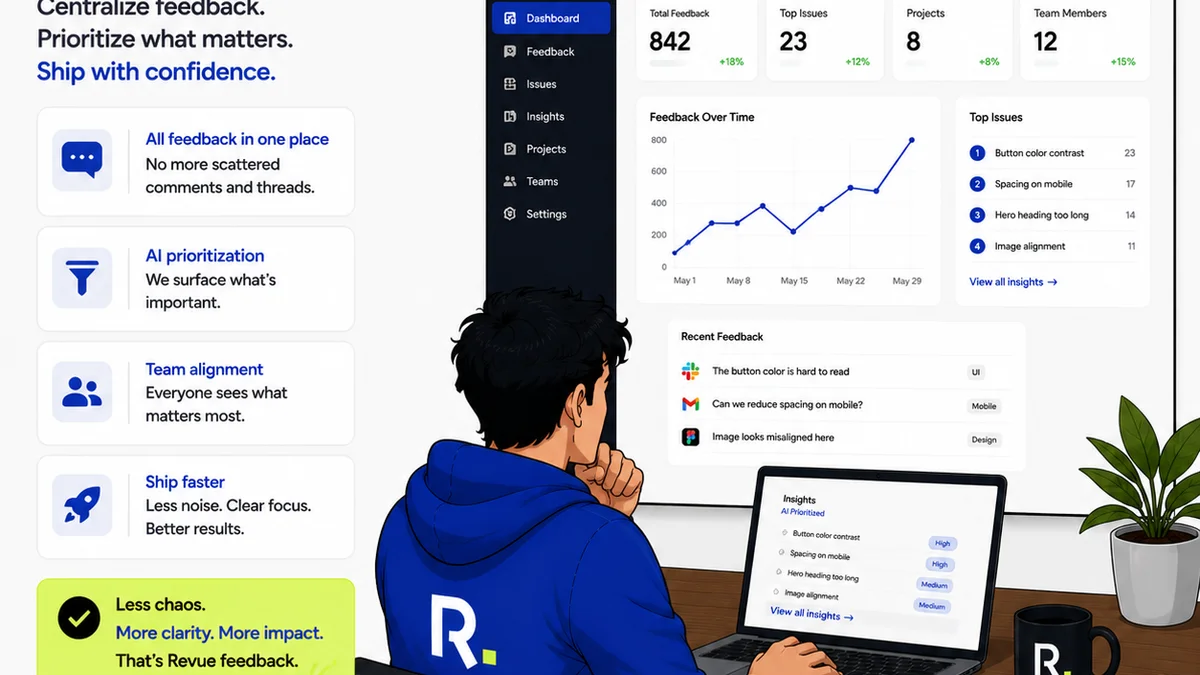
Revue helps by centralizing your client feedback and internal review processes. You can get clear, contextual comments directly on your designs, ensuring everyone involved – including legal or compliance teams – has visibility.
This means:
- Clear Audit Trails: Every piece of feedback, every revision, is logged. This provides a clear history that can be crucial if legal questions arise.
- Streamlined Approvals: Move designs through the review pipeline efficiently, with clear sign-offs at each stage. No more chasing emails or deciphering vague Slack messages.
- Quality Control: Ensure that legal and brand guidelines are met before a design goes live, reducing the risk of costly errors.
By bringing structure to your feedback and approval workflow, Revue helps ensure your social media designs are not only creative and effective but also legally sound.
Final Thought
Are you treating your social media design as just an aesthetic choice, or as a legally binding communication? The difference could be the making or breaking of your agency, or your client's brand.
Frequently asked questions
What are the biggest legal risks in social media design?
The biggest legal risks include copyright infringement (images, fonts), trademark violations, deceptive advertising claims, and failure to comply with accessibility standards like WCAG. Misrepresenting products or services can also lead to significant penalties.
How can agencies proactively manage legal risks in social media design?
Agencies can proactively manage risks by integrating legal considerations into the creative brief, establishing clear protocols for asset sourcing and licensing, implementing multi-stage review processes that include legal checks, and understanding platform-specific legal nuances. Centralizing feedback and approvals can also help.
What is the connection between accessibility and social media design ROI?
Accessibility, often guided by WCAG standards, ensures your content can be used by everyone, including people with disabilities. Failing to be accessible can lead to discrimination claims and excludes a significant portion of the audience, thereby limiting potential engagement and market reach, which directly impacts ROI.
How does Revue help with legal compliance in social media design?
Revue centralizes feedback and approval workflows, creating clear audit trails for all design iterations and comments. This visibility helps ensure that legal or compliance teams are involved in the review process, reducing the likelihood of errors and providing documentation that can be crucial in case of disputes.