Everyone says you need the right software for publication managers. You need project management tools, communication platforms, creative review software, and maybe even a DAM. That’s the standard advice. None of that is wrong. But it’s incomplete.
The hard truth is that the sheer volume of tools isn't the problem. The real issue is how these tools create silos, disconnects, and hidden workflows. It’s about managing the chaos, not just adding more digital boxes.
1. The Myth of the 'All-in-One' Solution
Agencies and in-house teams chase the unicorn: a single piece of software that does it all. They want one place for briefs, feedback, approvals, asset management, and client comms. It sounds like paradise. But it’s a pipe dream.
No single tool excels at everything. A great project management tool might have weak annotation features. A slick proofing tool might lack robust communication capabilities. Trying to force a jack-of-all-trades into every role leads to compromises. You end up with clunky workarounds and frustrated teams.
The Reality of Specialized Tools
The reality is that publication managers often benefit from a suite of specialized tools. The trick isn't finding one tool, but understanding how to connect them. It’s about building a workflow that leverages the strengths of each platform.
- Communication: Slack, Microsoft Teams, Email (yes, still).
- Project Management: Asana, Monday.com, Trello, Jira.
- Creative Review & Approval: Revue, Filestage, Ziflow.
- Asset Management: Brandfolder, Bynder, Cloudinary.
- Documentation: Google Docs, Notion, Confluence.
Each serves a distinct purpose. The publication manager’s job is to make them talk to each other, or at least, not actively fight.
2. Feedback Chaos: The Silent Killer of Velocity
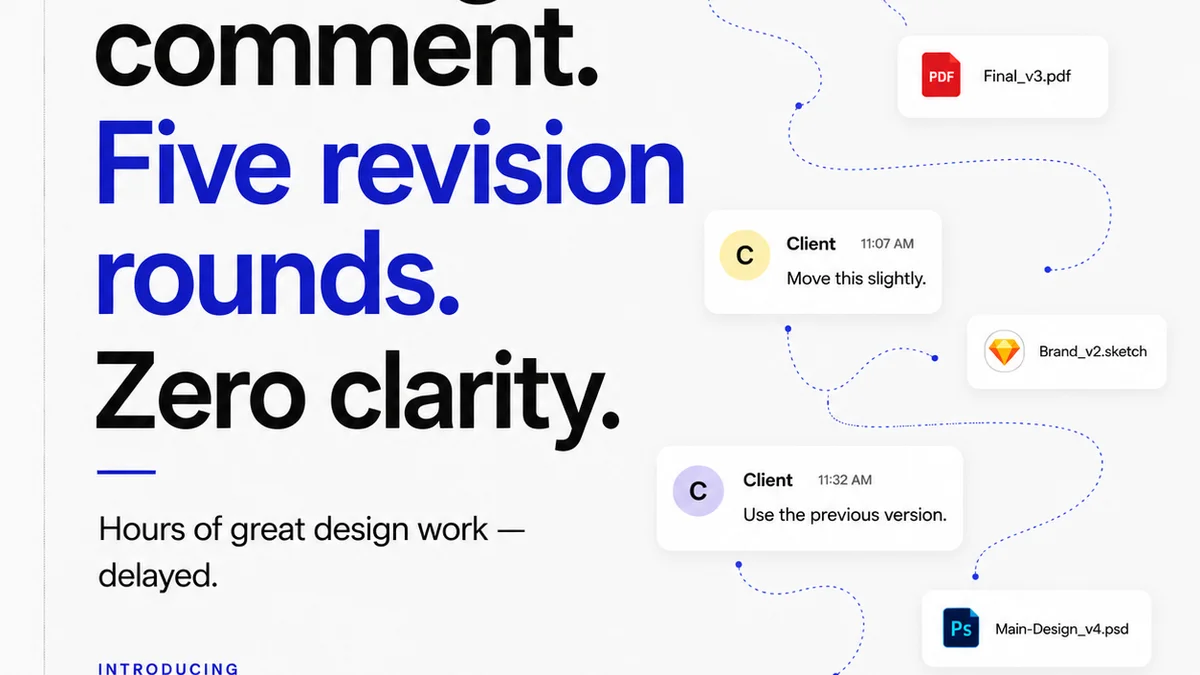
This is where most publication managers get bogged down. Client feedback is the lifeblood of creative work, but it’s often a messy, unstructured torrent. Emails, Slack messages, scribbled notes on PDFs, verbal instructions in meetings – it all piles up.
The assumption is that feedback is just part of the process. The deeper truth is that *unmanaged* feedback is a productivity killer. It leads to:
- Endless revision cycles.
- Misinterpretations and missed instructions.
- Scope creep disguised as
Frequently asked questions
What are the key challenges publication managers face with software?
Publication managers often struggle with tool overload, siloed feedback, lack of clear revision history, and inefficient approval processes. The challenge is less about having too many tools and more about how they integrate and are used.
How can software improve client feedback management?
Centralized feedback platforms allow clients to comment directly on creative assets, providing clear context and version control. This eliminates scattered communication across emails and chats, ensuring all feedback is captured and actionable.
What's the difference between project management software and creative review software?
Project management software (like Asana or Jira) tracks tasks, deadlines, and overall project progress. Creative review software (like Revue) focuses specifically on the review and approval of visual assets, offering features like annotation, version comparison, and sign-offs.
Is it better to use one all-in-one tool or multiple specialized tools?
While an all-in-one tool sounds appealing, it often leads to compromises. A suite of specialized tools, carefully integrated, usually offers better functionality for each specific task (e.g., communication, project management, creative review). The key is integration.