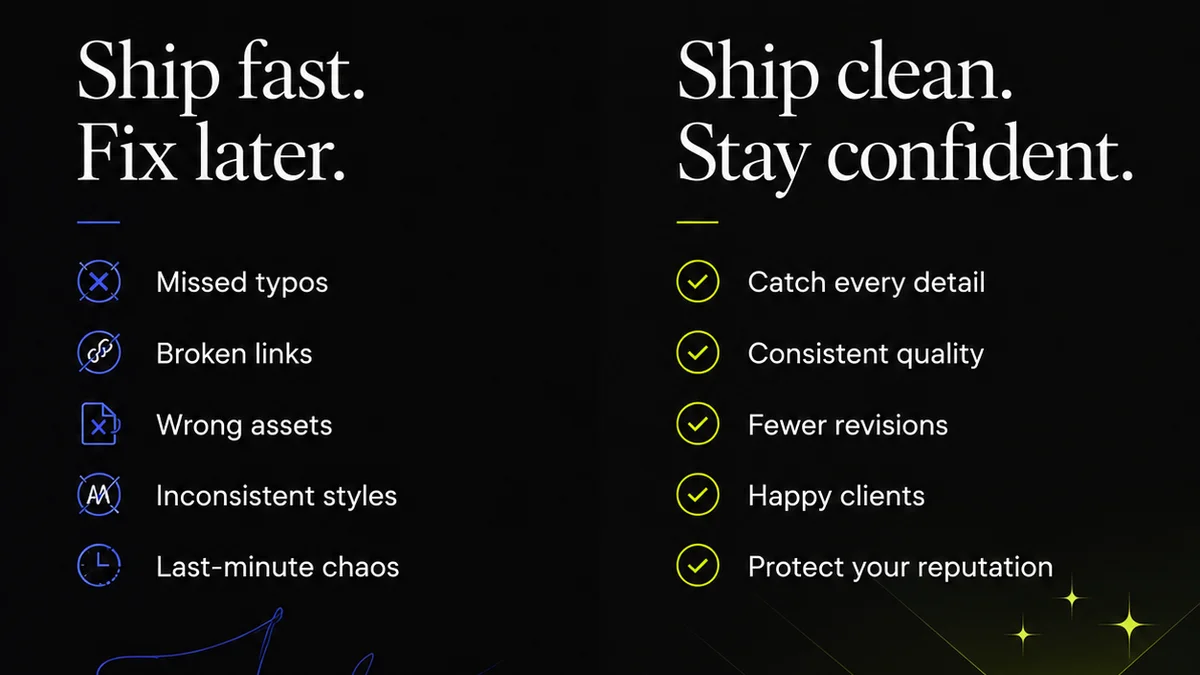
Everyone thinks stakeholder design reviews are about presenting a great idea. Get enough people nodding, and you’re golden. That’s the common wisdom. The truth is, that’s only a sliver of the picture. Relying on gut feel and enthusiastic agreement is a recipe for scope creep and endless revisions. The real work of stakeholder design review is operational, not just creative.
The hard truth? Effective stakeholder design review is less about convincing people your design is *good*, and more about creating a structured process that elicits specific, actionable feedback, identifies risks early, and drives toward clear decisions. It’s about managing expectations and aligning objectives, not just aesthetics.
1. Define the 'Why' Before the 'What'
Before anyone even sees a pixel, the most critical step happens in a pre-review meeting. This isn't about showing off mockups. It’s about clarifying the project goals with every key stakeholder.
Aligning Objectives
What problem are we actually trying to solve? What are the business objectives? What are the technical constraints? What does success look like for this specific project? Getting these answers upfront is non-negotiable.
Without this clarity, feedback becomes subjective. Someone might hate a color because it clashes with their favorite sports team’s jersey, not because it fails to meet the project’s usability goals. This is where the real work of stakeholder design review begins – establishing shared understanding.
Setting Expectations
Clearly communicate the purpose of *this* specific review. Is it for initial concept feedback? A detailed walkthrough of a specific feature? A final sign-off before development? Each stage requires a different type of input.
Also, define who the decision-makers are. Not everyone needs to have an opinion. Identify the primary stakeholders and the subject matter experts. This prevents paralysis by analysis, where too many voices dilute the decision-making process.
2. Structure for Clarity, Not Chaos
A disorganized review session is a black hole for productive feedback. You need a framework that guides the conversation and keeps everyone focused. This means moving beyond the ad-hoc
Frequently asked questions
What is the primary goal of a stakeholder design review?
The primary goal is to gather specific, actionable feedback that aligns the design with project objectives, identify potential risks or issues early, and drive towards clear decisions and approvals, rather than simply seeking aesthetic approval.
How can I ensure feedback is actionable during a design review?
Define clear review objectives beforehand, ask targeted questions, and ensure all attendees understand the project goals and constraints. Encourage feedback related to functionality, usability, and objective criteria rather than purely subjective preferences.
Who should be invited to a stakeholder design review?
Invite key decision-makers, project sponsors, and relevant subject matter experts. Avoid inviting too many people, as this can lead to conflicting opinions and decision paralysis. Clearly define roles (e.g., decision-maker, advisor) for attendees.
How do I handle conflicting feedback from stakeholders?
Refer back to the pre-defined project objectives and success criteria. Facilitate a discussion to understand the root of the conflict and guide the group toward a decision that best serves the project goals. The designated decision-maker should have the final say.