Everyone agrees that getting clear feedback from stakeholders is crucial for creative projects. It’s the bedrock of successful client relationships and on-brief work. That’s the common wisdom.
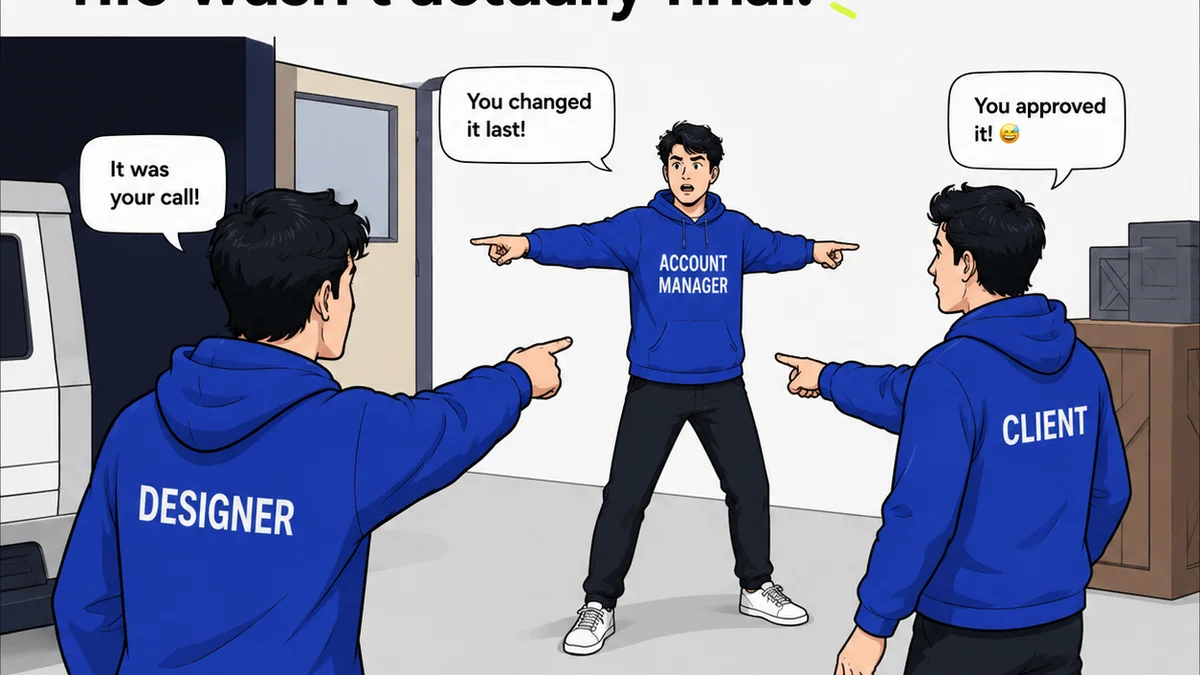
But the hard truth is, most agencies treat feedback like a reactive fire drill, not a proactive process. They wait for the feedback to roll in, often vague and contradictory, and then scramble to interpret it.
This reactive approach costs time, money, and creative integrity. It leads to scope creep, team burnout, and ultimately, work that misses the mark.
A comprehensive stakeholder feedback checklist isn't just a document; it's a strategic tool. It forces clarity *before* the work is done, aligning expectations and streamlining the entire review process.
1. The Assumption: Feedback is Just Comments
The biggest myth is that feedback is simply a list of requested changes. Your stakeholders will tell you what they *think* they want. Your job is to understand what they *actually need*.
This requires a framework that guides the conversation, not just captures the outcome. It means asking the right questions at the right time.
2. The Deeper Truth: Feedback is About Alignment
True stakeholder feedback is about aligning on objectives, understanding constraints, and confirming that the creative solution meets the strategic brief. It’s not just about aesthetics or personal preference.
Without this deeper alignment, you’re building on shaky ground. Every revision becomes a negotiation rather than a refinement.
3. Building Your Stakeholder Feedback Checklist
A truly effective checklist moves beyond generic prompts. It’s tailored to your project type and client context. But some core elements are universally valuable.
3.1. Pre-Feedback Preparation
Before any feedback session or submission, ensure these points are covered. This isn't about the creative output itself, but the *context* surrounding it.
- Project Goals: Are we still aligned on what this project needs to achieve? (e.g., Increase conversions by X%, improve brand perception, launch new feature).
- Target Audience: Who are we trying to reach with this work? Does the current direction resonate with them?
- Key Message(s): What are the core messages that *must* come across?
- Call to Action (CTA): What do we want the audience to do after engaging with this creative?
- Brand Guidelines: Does the work adhere to established brand voice, tone, and visual identity?
- Technical Constraints: Are there any platform limitations, file size requirements, or browser compatibility issues to consider?
- Legal/Compliance: Are there any regulatory or legal requirements that need to be met?
This pre-feedback alignment saves countless hours down the line. It prevents stakeholders from changing the goalposts mid-game.
3.2. The Feedback Capture Form
This is where you structure the actual feedback collection. It should be clear, actionable, and objective.
- Overall Impression: A high-level summary. Does it feel right? Why or why not?
- Alignment with Brief: How well does this iteration meet the original project objectives? (Scale of 1-5, or specific comments).
- Clarity of Message: Is the intended message clear and easy to understand?
- Target Audience Resonance: Does this work speak to the intended audience?
- Call to Action Effectiveness: Is the CTA clear and compelling?
- Specific Sections/Elements: Feedback on distinct parts of the creative (e.g., headline, imagery, navigation, specific copy block).
- Suggestions for Improvement: Actionable recommendations, not just vague critiques.
- Questions for Clarification: Are there any points the stakeholder needs more information on?
Frequently asked questions
What is the primary goal of a stakeholder feedback checklist?
The primary goal is to ensure clarity and alignment on project objectives and creative direction before and during the review process, leading to more efficient revisions and better final outcomes.
How often should I use a stakeholder feedback checklist?
Ideally, you should use a checklist at every significant review stage, from initial concepts to final proofs. It should be integrated into your standard workflow.
Can I use a generic checklist, or does it need customization?
While generic checklists can provide a starting point, customization is key. Tailor the checklist to the specific type of project, client, and their typical feedback patterns for maximum effectiveness.
What are the biggest mistakes agencies make with stakeholder feedback?
Common mistakes include accepting vague feedback without clarification, not establishing clear project goals upfront, allowing scope creep through endless revisions, and failing to centralize feedback, leading to conflicting instructions.