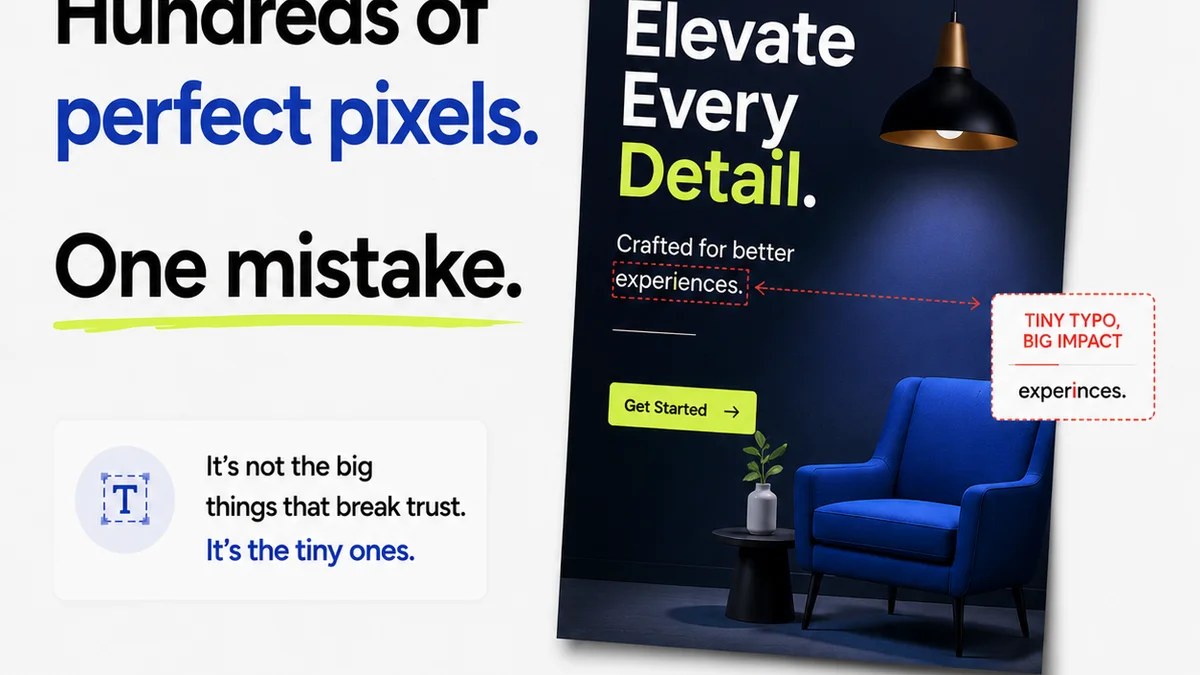
Everyone talks about stakeholder reviews. They’re essential for alignment, buy-in, and catching errors before they become expensive problems. That’s not wrong.
But it’s incomplete. Especially in manufacturing, where the stakes are literally physical.
The Hard Truth: Review Isn't Just About Approval
The common assumption is that a stakeholder review is the final gate before production. A rubber stamp, essentially. The reality is far more complex, and frankly, more critical.
A truly effective stakeholder review process in manufacturing isn't about getting a signature. It's about ensuring clear communication, mitigating risk, and building a shared understanding of a product's journey from concept to completion.
It’s about preventing misinterpretations that lead to costly retooling, material waste, or, worst of all, a product that doesn't meet market or regulatory needs.
1. Identify ALL Your Stakeholders (Beyond the Obvious)
When you think 'stakeholder,' you probably think of the client's marketing team or the product manager. In manufacturing, that list gets longer, faster.
Who's Really Involved?
Consider these groups:
- Engineering: The designers and technical experts.
- Production/Operations: The folks on the factory floor who will build it.
- Quality Assurance (QA): Those responsible for standards and testing.
- Supply Chain/Procurement: Who sources the materials and components?
- Sales & Marketing: They need to sell it and understand its features.
- Legal/Compliance: Especially crucial for regulated industries.
- End-Users/Customers: Their feedback is gold, even if indirect.
- Finance: Cost implications are always a factor.
Each group has unique priorities and perspectives. Ignoring even one can create blind spots.
2. Define the 'What' and 'Why' of Each Review Stage
Not all reviews are created equal. A review of a 3D CAD model is fundamentally different from a review of a physical prototype or a pre-production run.
Tailor the Review to the Deliverable
Early-stage reviews might focus on:
- Concept feasibility
- Design intent
- Material selection
- Ergonomics
Mid-stage reviews, perhaps with prototypes, will look at:
- Form, fit, and function
- Assembly processes
- Initial quality checks
- User experience
Late-stage reviews, like pre-production runs, are about:
- Final dimensional accuracy
- Surface finish and aesthetics
- Packaging
- Compliance documentation
Clearly defining the objective for each review stage prevents scope creep and ensures the right people are looking at the right things at the right time.
3. Standardize Your Feedback and Approval Process
This is where most manufacturing projects falter. Ad-hoc emails, scattered spreadsheets, and verbal 'approvals' are a recipe for disaster.
The Chaos of Unstructured Feedback
Imagine this:
- Engineering sends a CAD file.
- Marketing emails feedback about color.
- Production points out an assembly issue via chat.
- QA flags a tolerance problem in a separate document.
- The client 'approves' based on an email thread that doesn't include all comments.
The result? Confusion. Missed issues. Delays. Increased costs.
You need a structured system. This means:
- Centralized Platform: A single source of truth for all project assets and communication.
- Version Control: Always know which iteration you're reviewing.
- Clear Annotation Tools: Ability to mark up designs, models, or documents directly.
- Defined Roles: Who can comment? Who can approve?
- Audit Trails: A clear record of who said what, when, and what decisions were made.
This isn't just about efficiency; it's about accountability and traceability, crucial for manufacturing.
4. Integrate Quality Checks Seamlessly
Quality isn't an afterthought; it's woven into the fabric of the product and the review process.
Quality by Design, Not by Chance
Your review process should actively incorporate quality checkpoints:
- Tolerance Reviews: Are the specified tolerances achievable and appropriate for the manufacturing process?
- Material Verification: Does the material meet specifications and regulatory requirements?
- Assembly Process Review: Can the product be reliably assembled at scale?
- Performance Testing (Simulated or Real): Does it function as intended under expected conditions?
These aren't just checks; they are inputs into the review. Stakeholders need to see how quality is being addressed at each stage, not just at the end.
5. Establish Clear Communication Protocols
How will feedback be collected? How will decisions be communicated? Who is the final arbiter if disagreements arise?
The 'Who,' 'What,' and 'How' of Communication
Define:
- Primary Contact: Who manages the review process?
- Feedback Window: How long do stakeholders have to provide input?
- Consolidation Method: How will disparate feedback be gathered and synthesized?
- Decision Authority: Who has the final say on critical changes?
- Escalation Path: What happens when consensus can't be reached?
Clear protocols minimize ambiguity and keep the project moving forward without getting bogged down in endless debate or politicking.
6. Leverage Technology for Visibility and Control
Trying to manage complex manufacturing reviews with email and spreadsheets is like trying to build a car with hand tools.
Modern tools offer the visibility and control needed:
- 3D Viewer Integration: Review CAD models directly without specialized software.
- Cloud-Based Platforms: Accessible from anywhere, for all relevant teams.
- Automated Notifications: Keep everyone informed of new feedback or approvals.
- Reporting and Analytics: Track review cycles, identify bottlenecks, and measure performance.
These platforms streamline the entire process, ensuring that feedback is captured, addressed, and approved in a timely and organized manner.
Where Revue Fits In
While Revue is primarily known for creative asset review, its core principles translate powerfully to manufacturing workflows. Think of it as your central hub for all stakeholder feedback and revision tracking, regardless of the asset type.
Instead of hunting through emails or shared drives for the latest CAD file or technical spec, you have a single, version-controlled source of truth. Stakeholders can provide precise, contextual feedback directly on the deliverable, eliminating ambiguity.
The platform’s ability to track revisions and manage approvals ensures that every change is documented, every decision is recorded, and everyone is working from the most current information. This level of visibility and control is invaluable when managing the complex, multi-stage review cycles inherent in manufacturing.
7. Document, Document, Document
Every decision, every change, every approval needs to be logged. This isn't just good practice; it's often a regulatory or contractual necessity.
The Paper Trail Matters
A well-documented review process:
- Protects Against Disputes: Clear records show what was agreed upon.
- Facilitates Audits: Essential for compliance in many industries.
- Supports Future Improvements: Analyze past projects to refine future processes.
- Mitigates Risk: Provides a clear history in case of product failure or recall.
This documentation should include:
- Initial requirements
- All feedback provided
- Decisions made and rationale
- Final approval signatures/logs
- Any deviations from the original plan
Final Thought
Is your stakeholder review process a bottleneck or a catalyst? In manufacturing, the difference between a smooth production run and a costly failure often hinges on the clarity and rigor of your reviews. Are you just getting sign-offs, or are you truly building consensus and mitigating risk?
Frequently asked questions
What are the key differences between a creative review and a manufacturing stakeholder review?
Creative reviews often focus on aesthetics, messaging, and brand alignment. Manufacturing stakeholder reviews are more technical, focusing on form, fit, function, materials, manufacturability, quality standards, and regulatory compliance. The physical nature of manufactured goods also introduces higher stakes for errors.
How can I ensure all relevant stakeholders are identified early on?
Map out the entire product lifecycle from concept to post-launch. Identify every team or individual who has input into, is impacted by, or is responsible for a stage of that lifecycle. Include engineering, production, QA, supply chain, sales, marketing, legal, and potentially even key end-users or distributors.
What is the biggest mistake companies make in manufacturing reviews?
The biggest mistake is treating reviews as a final approval gate rather than an integrated part of the development and quality assurance process. This leads to feedback being siloed, misunderstood, or ignored, resulting in costly errors downstream.
How important is version control in manufacturing reviews?
Extremely important. With complex designs and multiple iterations, ensuring everyone is reviewing the exact same, most up-to-date version of a CAD file, spec sheet, or prototype is critical to avoid confusion and ensure decisions are based on accurate information.