Everyone talks about user research. They say it’s about empathy. It’s about understanding your audience. It’s about building better products. None of that is wrong. But it’s incomplete.
The hard truth? User research isn’t a ‘nice-to-have’ activity. It’s a direct driver of business growth. When done right, it cuts waste, boosts conversion, and builds loyalty. It’s not about feeling good; it’s about making smart, profitable decisions.
1. The Myth of Intuition Over Data
Many agencies and in-house teams rely on the 'gut feeling' of senior creatives or product owners. They believe their experience is enough to predict what users want. This is a dangerous assumption. Intuition is valuable, but it’s often biased and can lead to expensive missteps.
Consider the last time a project went off the rails. Chances are, it wasn't a lack of talent, but a lack of validated understanding about the target user. You built something you *thought* they wanted, not what they *actually* needed.
The Cost of Guessing
- Wasted development cycles on features nobody uses.
- Low conversion rates because the user journey is confusing.
- High churn because the product doesn't solve a real problem.
- Missed market opportunities because you didn't identify unmet needs.
User research replaces guesswork with evidence. It grounds your strategy in reality, not just opinion.
2. Identifying Real User Needs, Not Just Stated Wants
People often say one thing and do another. A user might tell you they want a simpler interface, but their actual behavior shows they prefer more customization options. User research techniques, like observational studies and usability testing, uncover these discrepancies.
This is where the 'growth' aspect kicks in. By understanding the *actual* problems users face and the *real* jobs they are trying to get done, you can develop solutions that truly resonate. This leads to higher adoption, increased engagement, and ultimately, revenue.
Techniques for Deeper Insight
- Usability Testing: Observe users interacting with your product or prototype. Where do they struggle? What are their workarounds?
- Interviews: Go beyond surface-level questions. Ask 'why' repeatedly to uncover underlying motivations and pain points.
- Surveys: Use targeted questions to gather quantitative data on preferences and behaviors, but always complement with qualitative insights.
- Analytics Review: Dive into user behavior data. Where do users drop off? What features are most/least used?
This isn't about asking users what they want. It's about observing what they do and understanding why.
3. Optimizing the User Journey for Conversion
Every touchpoint a user has with your brand or product is an opportunity. Or a potential point of failure. User research helps you map and optimize this entire journey.
Think about the critical path: from initial awareness to conversion and beyond. Are there friction points? Are calls to action clear? Does the onboarding process make sense?
Mapping and Improving the Funnel
- Awareness: Does your marketing clearly articulate the problem you solve for the right audience?
- Consideration: Is your website or product easily navigable? Is information readily available?
- Conversion: Is the checkout or sign-up process seamless? Are there unexpected barriers?
- Retention: After conversion, does the user experience meet expectations? Is ongoing value delivered?
By identifying and removing obstacles in the user journey, you directly increase conversion rates. More users complete desired actions, leading to more customers and more revenue.
4. Reducing Risk and Increasing ROI
Launching a new product or feature is inherently risky. Development costs time and money. Without validation, you're essentially gambling with those resources.
User research acts as an insurance policy. By testing concepts and prototypes with real users early and often, you de-risk the entire process. You catch flaws before they become expensive to fix.
The ROI of Early Validation
- Lower Development Costs: Avoid building features that won't be used.
- Faster Time-to-Market: Streamline the development process by focusing on validated needs.
- Higher Success Rates: Products that meet user needs are more likely to succeed in the market.
- Improved Customer Lifetime Value: Satisfied users are more likely to remain customers and recommend your product.
Investing in user research upfront pays dividends by minimizing wasted effort and maximizing the chances of market success.
5. Building Loyalty Through Continuous Improvement
Growth isn't just about acquiring new customers; it's about retaining existing ones. User research is crucial for fostering that long-term loyalty.
When users feel heard and understood, they develop a stronger connection to your brand. Continuously incorporating their feedback into your product shows you value their input and are committed to meeting their evolving needs.
Fostering a Feedback Loop
- Regularly solicit feedback: Use surveys, in-app prompts, and community forums.
- Act on feedback: Demonstrate that user input leads to tangible improvements.
- Communicate changes: Let users know when their feedback has been implemented.
- Iterate based on behavior: Combine qualitative feedback with quantitative data to refine the experience.
This cycle of listening, acting, and communicating builds trust and transforms users into advocates. Advocates drive organic growth through word-of-mouth referrals.
Where Revue Fits In
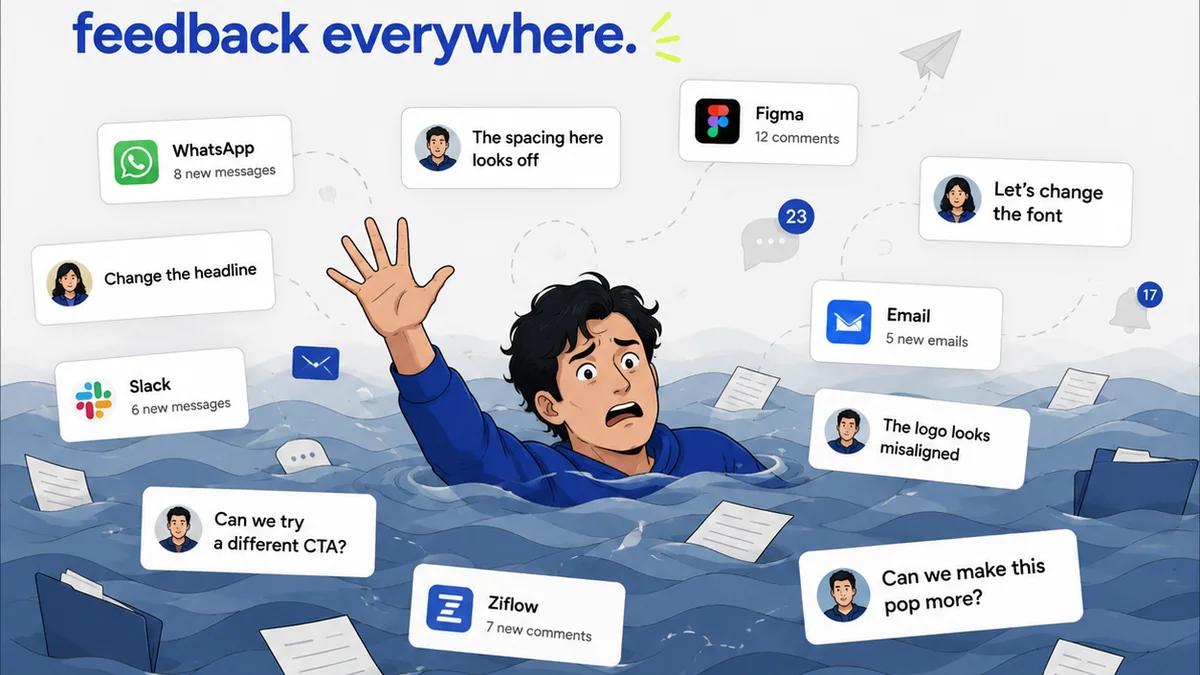
Managing user feedback, revisions, and approvals across multiple projects and clients can become chaotic. This disorganization directly hinders your ability to learn and grow.
Revue provides a centralized hub for all creative feedback and revision management. This means you can:
- Centralize Client Feedback: All comments, annotations, and approvals live in one place, tied to specific creative assets. No more hunting through endless email threads or Slack messages.
- Track Revisions Clearly: Maintain a clear, auditable history of changes and approvals. Understand exactly what was requested and when.
- Ensure Quality Control: Easily run through quality checks against feedback before final delivery, ensuring client satisfaction and reducing costly post-launch issues.
By streamlining these operational aspects, Revue frees up your team to focus on what matters most: acting on validated user insights and driving strategic growth, rather than getting bogged down in administrative overhead.
Final Thought
Is user research a cost center or a profit center for your agency? The answer hinges entirely on how you approach it. Treat it as a strategic imperative, embed it in your workflow, and watch it fuel tangible business growth. What’s one user insight you uncovered recently that surprised you, and how did it change your direction?
Frequently asked questions
What's the difference between user research and market research?
User research focuses on the behavior, needs, and motivations of individual users interacting with a specific product or service. Market research looks at broader industry trends, competitor analysis, and the overall market landscape.
How often should we conduct user research?
It depends on your project lifecycle and resources, but continuous research is ideal. For new products, conduct research during discovery and development. For existing products, regular usability testing and feedback collection are crucial for ongoing optimization.
Can small agencies afford user research?
Absolutely. User research doesn't always require large budgets. Techniques like informal usability testing with a few users, analyzing website analytics, and conducting customer interviews can provide immense value without breaking the bank.
How do we ensure user research findings are actually implemented?
Integrate research findings directly into your project roadmaps and backlog. Make research insights accessible to the entire team (design, development, marketing). Use tools like Revue to track feedback and ensure it's addressed during revision cycles.