Everyone talks about the sleek interfaces of consumer apps. They point to gamification, personalized dashboards, and seamless onboarding. They assume UX design in biotech is just catching up to that.
None of that is wrong. But it’s incomplete.
The hard truth about UX design in biotech is that it operates on a different plane. It’s not just about usability; it’s about trust, precision, and the profound impact on human health. In 2026, biotech UX will move beyond basic functionality to become a critical differentiator.
1. Empathetic Interfaces for Complex Patient Journeys
Patient-facing applications in biotech are no longer just portals for information. They are integral to the patient’s journey through diagnosis, treatment, and recovery. The focus in 2026 will be on deeply empathetic design.
This means understanding the emotional and cognitive load on patients, who may be dealing with serious health issues. Interfaces need to be:
- Calming and reassuring, not alarming.
- Crystal clear, minimizing ambiguity.
- Accessible to users with varying technical skills and physical abilities.
- Supportive, offering guidance without being overbearing.
Consider interfaces for managing chronic conditions or navigating clinical trials. These need to feel like a supportive partner, not a demanding system.
Data Visualization That Tells a Story
Presenting complex health data to patients requires more than just charts and graphs. In 2026, we’ll see a rise in narrative data visualization. This approach uses visual elements to tell a story about a patient's health, making trends and progress understandable and actionable.
Think less raw numbers, more visual narratives that show improvement or highlight areas needing attention in a gentle, encouraging way.
2. Data-Driven Personalization at Scale
Biotech generates vast amounts of data. Leveraging this data for personalized user experiences is table stakes. By 2026, the sophistication of this personalization will be a key competitive advantage.
This isn't just about recommending content. It's about tailoring:
- Treatment protocols and medication reminders.
- Educational materials based on specific genetic markers or conditions.
- Support group suggestions based on patient profiles.
- Research participation opportunities.
The challenge is doing this while maintaining stringent privacy and security standards. Users expect their sensitive health data to be handled with the utmost care.
Ethical AI and Algorithmic Transparency
As AI becomes more embedded in biotech platforms, ethical considerations are paramount. Users need to understand how decisions are being made, especially when those decisions impact their health.
Transparency in AI-driven recommendations and diagnostics is no longer optional. This builds trust and empowers users to engage more confidently with the technology.
3. Seamless Integration Across the Healthcare Ecosystem
Biotech solutions rarely exist in a vacuum. They interact with electronic health records (EHRs), wearable devices, diagnostic tools, and other healthcare platforms. In 2026, the emphasis will be on creating truly frictionless integration.
This means:
- Standardized data exchange protocols.
- APIs that are robust, well-documented, and secure.
- Cross-platform experiences that feel unified.
A patient shouldn't have to re-enter information or navigate disparate systems to get a complete picture of their health. The goal is a connected, coherent experience.
Interoperability as a Design Principle
Interoperability, once a technical hurdle, is becoming a core UX design principle. Designers must consider how their solutions fit into the broader healthcare landscape from the outset.
This requires close collaboration with IT, compliance, and other stakeholders to ensure data flows smoothly and securely between systems.
4. Designing for Discovery and Collaboration in Research
The pace of scientific discovery is accelerating. UX design plays a crucial role in enabling researchers to collaborate more effectively and access critical information faster.
In 2026, expect to see more platforms designed for:
- Streamlined data analysis and interpretation.
- Secure sharing of research findings and raw data.
- Facilitated collaboration among global research teams.
- Intuitive access to vast scientific literature and databases.
Tools that reduce the friction in the research process can directly accelerate breakthroughs.
The Rise of Digital Twins and Simulation Interfaces
As computational biology advances, interfaces for interacting with complex simulations and digital twins of biological systems will become more prevalent. These interfaces need to be powerful yet intuitive, allowing researchers to manipulate variables and visualize outcomes with precision.
This is where advanced 3D visualization, VR/AR elements, and sophisticated data interaction models will shine.
5. Prioritizing Security and Privacy by Design
In an era of increasing cyber threats and strict data privacy regulations (like HIPAA and GDPR), security and privacy are not afterthoughts; they are foundational to good UX in biotech.
By 2026, user interfaces will need to:
- Clearly communicate security measures and data handling policies.
- Provide granular control over data sharing preferences.
- Incorporate intuitive multi-factor authentication flows.
- Offer transparent audit trails for data access.
A breach of trust in biotech UX can have devastating consequences, impacting patient safety, regulatory compliance, and brand reputation.
Building Trust Through Transparency
Beyond technical security, the UX must convey trustworthiness. This means being upfront about data usage, consent mechanisms, and the steps taken to protect sensitive information. Every interaction should reinforce the commitment to user privacy.
Where Revue Fits In
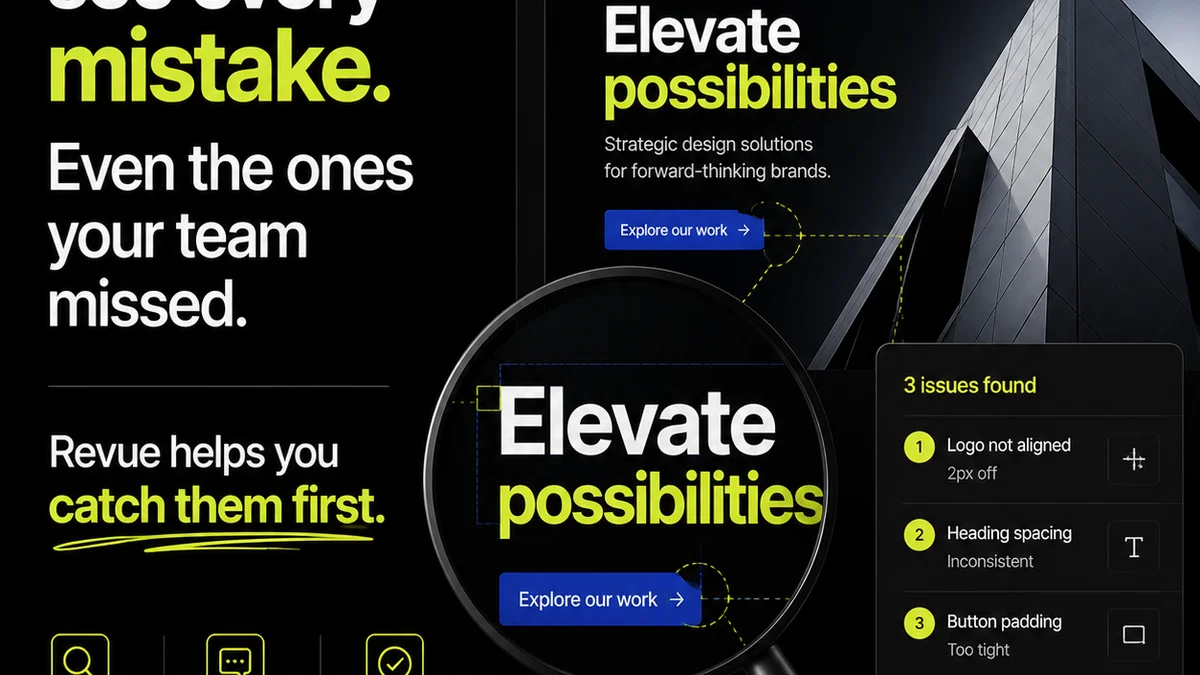
Managing the complexity of biotech UX projects requires robust tools. Feedback cycles, especially in regulated environments, can become convoluted. Revisions need clear documentation, and approvals must be auditable.
This is where a platform like Revue becomes invaluable. It centralizes client and stakeholder feedback, ensuring that all comments, annotations, and approvals are captured in one place. This visibility reduces miscommunication and speeds up the revision process.
For teams working on patient portals, research platforms, or diagnostic tools, having a clear, auditable trail of revisions and approvals is critical for quality assurance and compliance. It ensures that the final product is not only user-friendly but also meets rigorous standards.
Final Thought
The evolution of UX design in biotech is a testament to the growing understanding that technology must serve humanity. As we move towards 2026, the most successful biotech products won't just be technologically advanced; they will be profoundly human, secure, and seamlessly integrated into the fabric of care and discovery.
The question isn't whether biotech UX will become more sophisticated. It's how we ensure that sophistication translates into genuine improvements in health outcomes and scientific progress for everyone.
Frequently asked questions
What is the primary goal of UX design in biotech for 2026?
The primary goal is to move beyond basic usability towards creating deeply empathetic, data-driven, and secure experiences that enhance patient care and accelerate scientific discovery. It's about building trust and improving health outcomes.
How will data personalization change in biotech UX?
Data personalization will become more sophisticated, tailoring treatment protocols, educational materials, and research opportunities based on individual health data. This will be balanced with stringent privacy and algorithmic transparency.
Why is integration important for biotech UX?
Seamless integration across EHRs, wearables, and other healthcare platforms is crucial for a unified user experience. It reduces friction for patients and researchers, enabling smoother data flow and more comprehensive health management.
What role does security play in biotech UX trends?
Security and privacy are foundational. By 2026, UX must clearly communicate data handling policies, provide granular user controls, and build trust through transparency and robust technical safeguards, as dictated by regulations like HIPAA and GDPR.