Everyone talks about version control software for code. It’s practically a given. But what about manufacturing? The assumption is that complex physical products don't need the same level of meticulous tracking as lines of code. That’s a dangerous oversight.
The hard truth? Manufacturing workflows demand version control just as much, if not more, than software development. Mismanaging design iterations, component revisions, or bill of materials (BOM) updates can lead to costly errors, production delays, and compromised quality.
1. The Core Problem: Iterative Chaos in Manufacturing
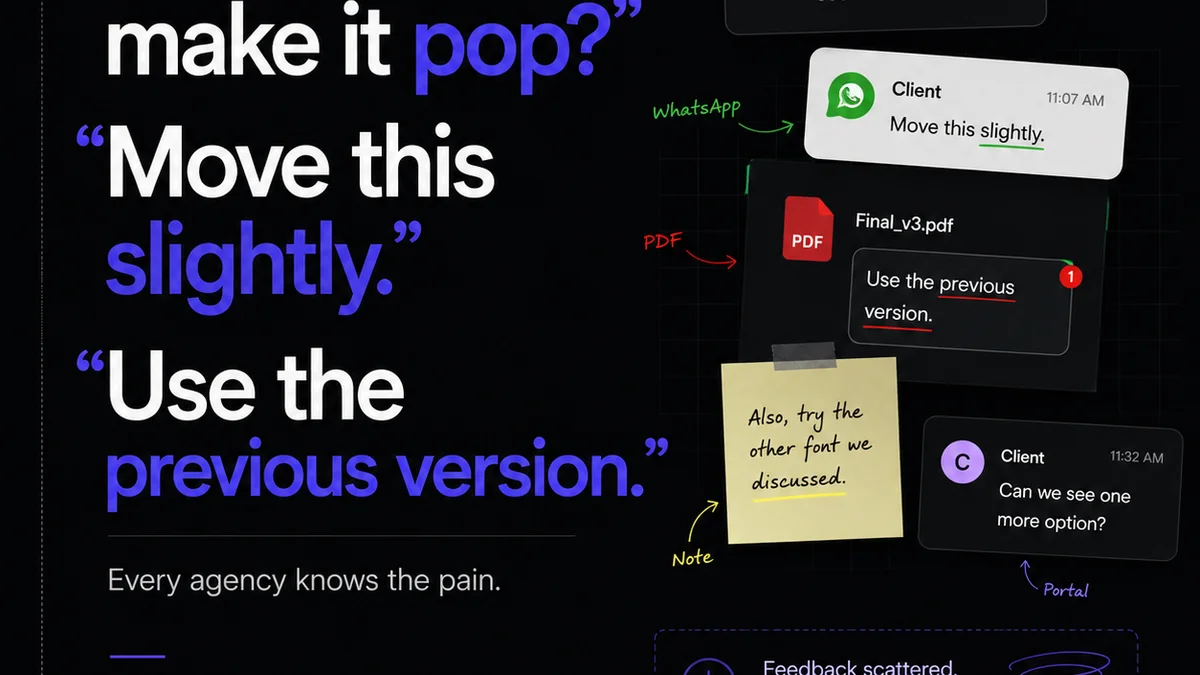
Manufacturing isn't static. Designs evolve. Components are updated. Suppliers change. Processes are refined. Without a system to manage these changes, chaos ensues.
Consider the symptoms:
- Outdated drawings sent to the factory floor.
- Incorrect parts ordered due to an unapproved BOM revision.
- Lost design history, making it impossible to trace back a critical decision.
- Confusion about which prototype is the
Frequently asked questions
Why is version control crucial for manufacturing?
Version control in manufacturing ensures that every design iteration, component change, and bill of materials (BOM) update is tracked, documented, and auditable. This prevents costly errors, reduces production delays, maintains quality, and facilitates compliance by providing a clear history of all modifications.
What's the difference between Git and PLM for manufacturing?
Git is primarily designed for code versioning and is excellent for software development. Product Lifecycle Management (PLM) systems are built for the complexities of physical products, integrating version control with broader aspects like BOM management, supply chain collaboration, compliance, and manufacturing process planning.
Can cloud-based tools manage manufacturing version control?
Yes, cloud-based PLM and specialized version control systems offer significant advantages for manufacturing. They provide accessibility, real-time collaboration, scalability, and often better disaster recovery, making them highly effective for distributed teams and global supply chains.
How does version control impact product quality?
By ensuring that only approved and correct versions of designs, components, and documentation are used in production, version control directly impacts product quality. It prevents the use of outdated or incorrect specifications, minimizing defects and ensuring consistency.